Foundations
Setting the scene, developmental anatomy, puberty, and the testosterone-exposed system
Four lectures that open the course: how to be safe and curious in a learning space, how language and genetics shape the body we describe, what puberty actually is and what sets it off, and the structures, maintenance and common failures of the testosterone-exposed system.
🎧 Listen and follow along
Press play and each word lights up as it is spoken; the plate for the current slide stays beside the text. Tap any word to listen from there. Present turns the page into one slide per screen (arrow keys move between slides). Aa in the player changes the font, size, spacing and highlight colour. Your place is remembered on this device.
download the whole class (mp3, chapter marks)Contents
- Lecture 1Setting the Scene10 min · 13 slides
- Lecture 2Developmental Anatomy14 min · 15 slides
- Lecture 3Puberty and Early Sexual Development14 min · 16 slides
- Lecture 4The Testosterone-Exposed System18 min · 16 slides
Setting the Scene

Welcome, and why the course starts with the room
Welcome. This is the first lecture of a course on human sexuality for clinicians, and it begins the way a good first visit begins: not with the examination, but with the room. Before any anatomy or physiology, the course wants to set the scene — to say what kind of space this is, what it asks of you, and what it asks of itself. That is what this hour is for.
Three words to carry through the course: reflexivity, intersectionality, power
The course opens on three words, the lens for everything that follows. Reflexivity is the practice of turning your attention back on yourself: noticing where you stand, what you assume, and how that shapes what you see in the person in front of you. Intersectionality is the recognition that the parts of a person's identity — race, gender, class, disability, sexuality, age — do not act one at a time but overlap, so that advantage and disadvantage compound in ways no single category predicts. The term was coined by the legal scholar Kimberlé Crenshaw in 1989. And power is the quiet third word: who gets to define what counts as normal, whose account is believed, and who is doing the defining in any clinical room — which is usually you. Hold these three. Every lecture after this one assumes you are.

What this opening session sets out to do
The objectives for this session are not clinical facts but conditions. The course means to establish safety, to acknowledge its own limitations, to encourage inquiry and build a community of learners, and to impart enthusiasm while nourishing your resilience for the long work ahead. Underneath those sit four plainer verbs that describe the posture it hopes you will take: to grow, to care, to query, and to respect. Know what each of those asks of you, and the session has done its work.
What it means to be safe
Start with the word itself; the course leans on it. Safety has a physical layer: the ability to regulate the processes of your own body without undue hardship — adequate hydration and nutrition, freedom from tissue damage, access to stable housing and to hygiene. That is the floor beneath any clinical encounter, and you have met patients for whom it is not there.
Safety also has an emotional layer, and the course defines it precisely. It is being able to express the authentic you without worry or fear that you will be shamed, ridiculed, marginalized, rejected, manipulated or punished. Notice how much of a sexual-health history depends on that condition.
Then the hard part. The perception of safety, the value you place on it, and the behaviors you use to seek it are all conditioned — learned early, from what the people around you rewarded and punished. What your body treats as a threat in a room was taught to it. That is true of your patients, and it is just as true of you.
Safety procedures for this space
So the course sets some procedures, and they apply here just as they would in a seminar room. First, check that your access needs are met. How is your body right now? How is your mind? Is there anything else you need to release into the learning space, rather than sit braced at its edge? Attend to that before you attend to the content.
Second: you are valid, and all questions are okay. Challenge your own beliefs and be curious about other people's. Third, in the course's phrase, bring light, not heat. Assume positive regard — that the person who said the thing you flinched at meant well — and clarify before you conclude. And last, respect agency, and consent in all things — including the small things, including here.

The course names its own limits
Before it asks anything of you, the course discloses. The lecturer's disclosures are unusually candid, and worth hearing as a model of honest teaching. She has problems, she says — lots of them. She has biases, and the worst of them she is probably blind to. She has been enculturated and conditioned into a particular way of thinking. She has not read every article or book, nor listened to every podcast or narrative report. And she has, as the slide says twice, a selective memory for the things she finds interesting.
Then the other side of the ledger. She has an active relationship with an excellent therapist. She engages in reflexivity practices to better understand her positionality — where she stands in the world and how that shapes her view. She endeavors toward cultural humility. And she reads broadly and renews this curriculum regularly so that what you are hearing stays current. Take them as an invitation: this is what the course asks of you, too.

A pause for reflection
Here the course stops and turns the questions on you. They are not a warm-up. Let them sit while the lecture goes on.
What brought you to this course? And what barriers prevent you from being the kind of provider you want to be?
What are the pieces of you that you are carrying that are not serving you? Who put them there? And what would it take for you to be able to put those down?

The scientific method, as a posture
The course's method is the scientific one, worth saying aloud because it is also a temperament. You observe. You ask a question, which is the step most often skipped. You develop a hypothesis, a provisional answer, and design an experiment that could show you it is wrong. You collect data, you analyze it, and you communicate the findings so that others can check them. The nature of science is one of curiosity: watching, wondering. And its discipline is this — good scientists are willing to be wrong. Carry that into the clinic: a formulation held loosely lets you see the patient more clearly than one already decided.
Social creatures
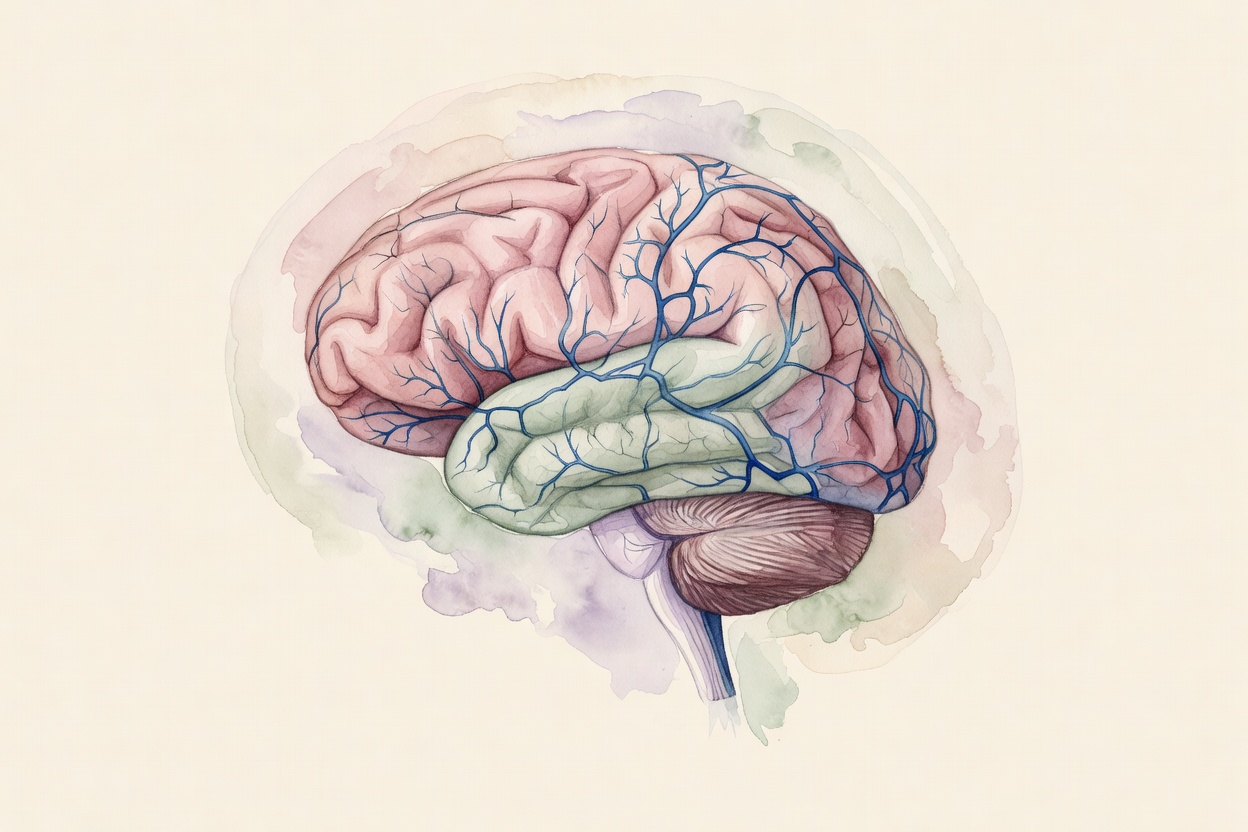
Humans learn well in social environments; the course notes that we have dedicated neural pathways for socially mediated learning. By engaging in a community of learners you enrich yourself and your colleagues. The course director says plainly that your engagement makes her a better teacher, and that your questions and shared experiences edify and embolden your cohort — they inform and encourage them. So do not hesitate to submit your questions and comments as you go. The question you were reluctant to ask is almost always the one three other people needed.

This magic moment
The course is frank about the moment you are learning in. There has never been more information available, and there has never been more computational power available for interpreting it. At the same time, people are struggling — with connection, with relationships, with the political climate, with global unrest and ecological change on the planet. You are learning at the interface of some of the most important, and evolutionarily basal, human expressions — basal meaning ancient and foundational, at the root of what humans do and are. There is so much to learn. It is, the course insists, so interesting. And you are invaluable: a clinician who can speak about sexuality steadily is rare, and needed.
The learning process includes failure
The course says this plainly, so you are not surprised. By moving forward from challenging moments, having gained something from them, you grow; those challenges are not detours from the journey but necessary parts of it. It is okay to pause and reflect on however these experiences make you feel. Finding the capacity to bounce back and re-engage can feel like work, because it is.
Two practical notes. Whenever possible, find evidence of progress in the short term, however small. And watch for arrival fallacy — the belief that satisfaction will arrive once you get there, wherever there is. It is real. Do not wait to enjoy what you are doing until you get there.
Then a line the course keeps close, from Max Ehrmann's 1927 prose poem Desiderata:
Many fears are born of fatigue and loneliness.
Or, the course adds, of hunger, or lack of sleep. So if you find yourself discouraged, consider that an exacerbating cause may be coming from inside you, not from the circumstances — and tend to that first.
Well come, and well met
The course closes its opening with a welcome spelled two ways: well come, and well met. You are the right human, in the right place, at the right moment. This kind of work makes you work on yourself, and you have, and are, everything you need for that. It is brave to change, to fail, to question and to grow. There is no weakness in trying. The course director says she is privileged to be a part of your journey, and really excited to tell you what she has discovered on hers. So, in her words: let's begin.
Into the next lecture
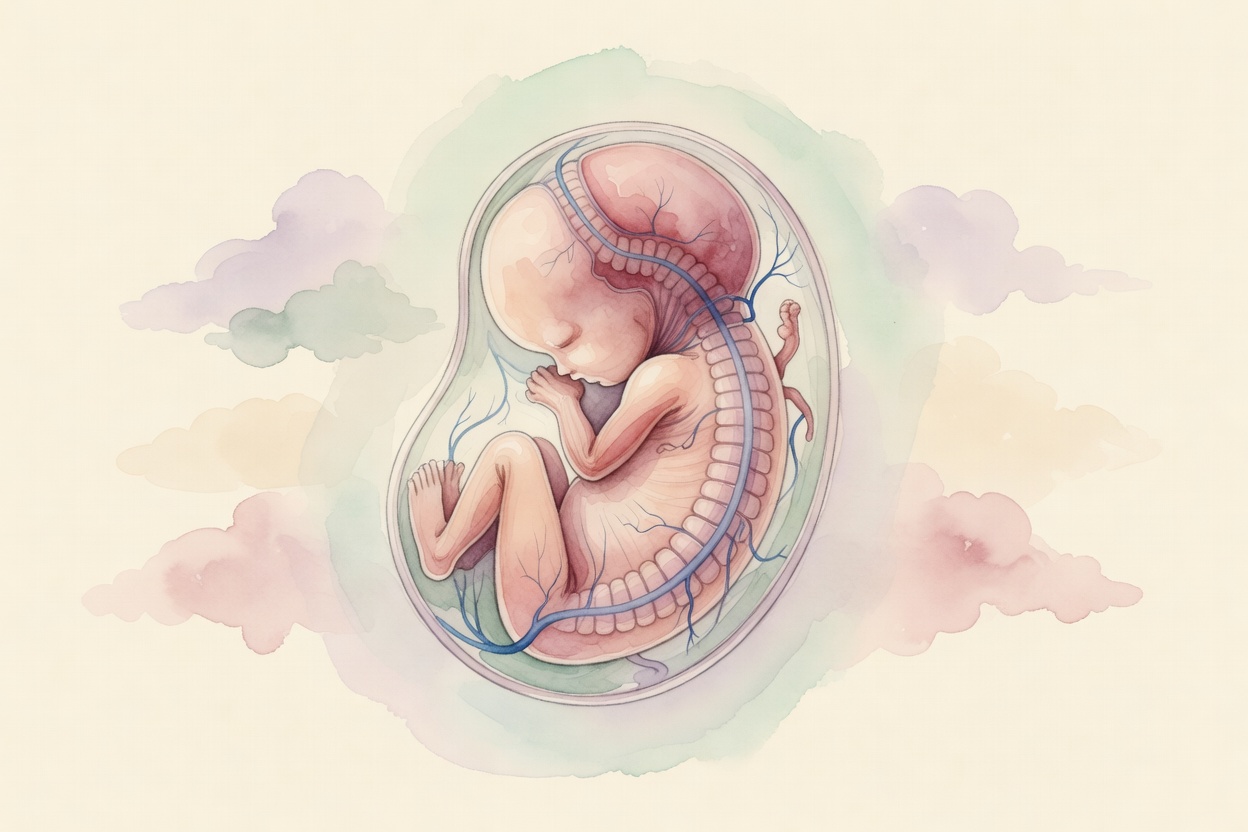
With the scene set, the next lecture turns to the body itself. Developmental anatomy asks how genetics and language together shape the body you will be describing — how one early plan becomes the structures we name, and how the names shape what we see. Bring the three words with you. Reflexivity, intersectionality, power. They were never only about the room.
Developmental Anatomy

Why a lecture on anatomy begins with words
This is the second lecture of Foundations. It begins with language, because the course director's teaching rests on developmental patterns, evolutionary theory, inclusive care and translating complex science into something usable with a patient, and her first claim is that language shapes how we think.
Communication only works if both parties hold the same understanding of the words. That is the first objective. The second is a habit: when clinicians describe things they focus on differences and miss similarities. The third balances them. Differences often help in problem-solving. Similarities often help with understanding.

Establishing a shared lexicon
Words are powerful. You were enculturated through language; much of your identity is made of words you were given. But meaning varies: two clinicians can say the word normal and mean different things, and so can a clinician and a patient. The course borrows a line from the Stanford Encyclopedia of Philosophy on Aristotle.
For Aristotle, one defines things, not words. The definition of tiger does not tell us the meaning of the word tiger; it tells us what it is to be a tiger.
When this course defines a term, it is describing a thing, not ruling on a word.
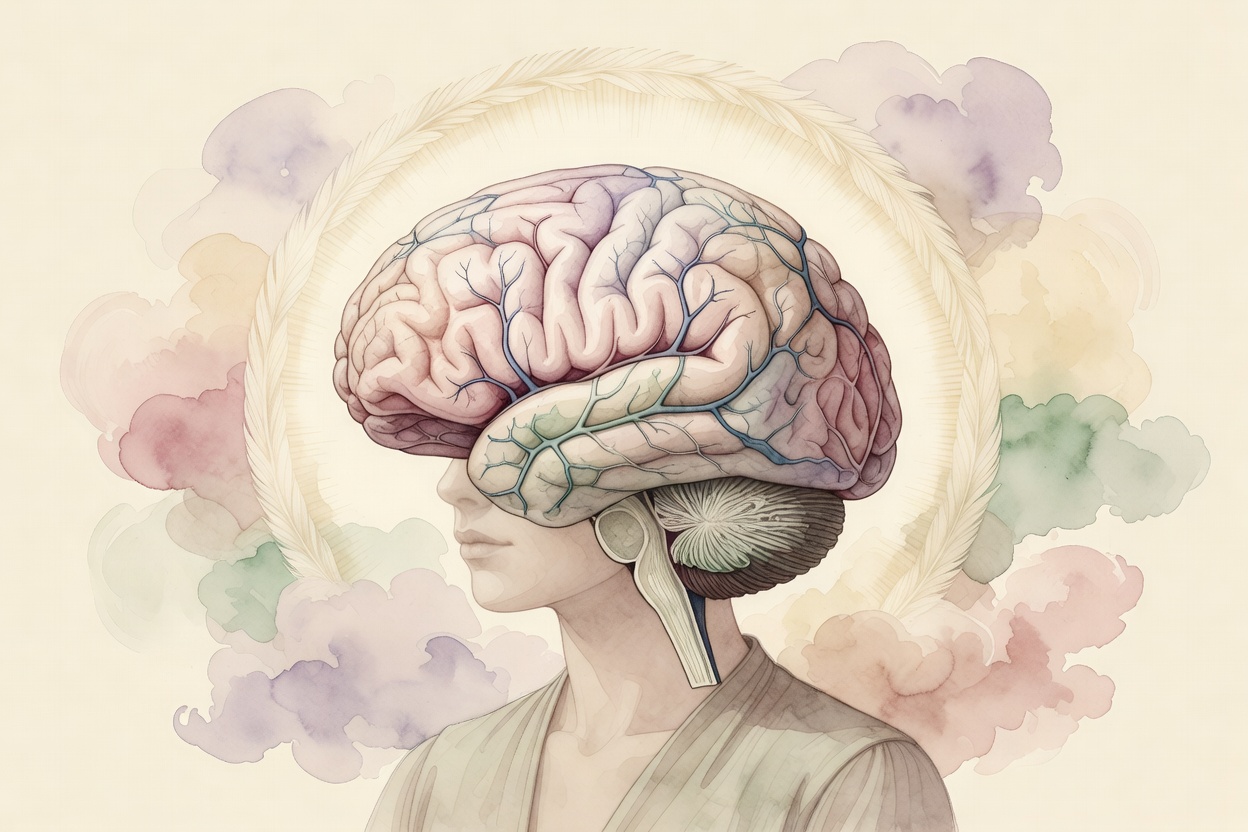
What the words homo sapiens actually say
Most scientific language is intended as description, but is heard as declaration, a conclusion. When a patient hears a description as a verdict, communication has already failed. Shared language and shared intention make it work.
Sapiens is Latin for one who knows. Homo, the deck reminds you, can be heard two ways: Latin, where it means human, and Greek, where homos means same. In the species name it is the Latin word, human. Keep the Greek echo; you will meet it again in homology. We are the humans who know, and, as this lecture keeps showing, the same.
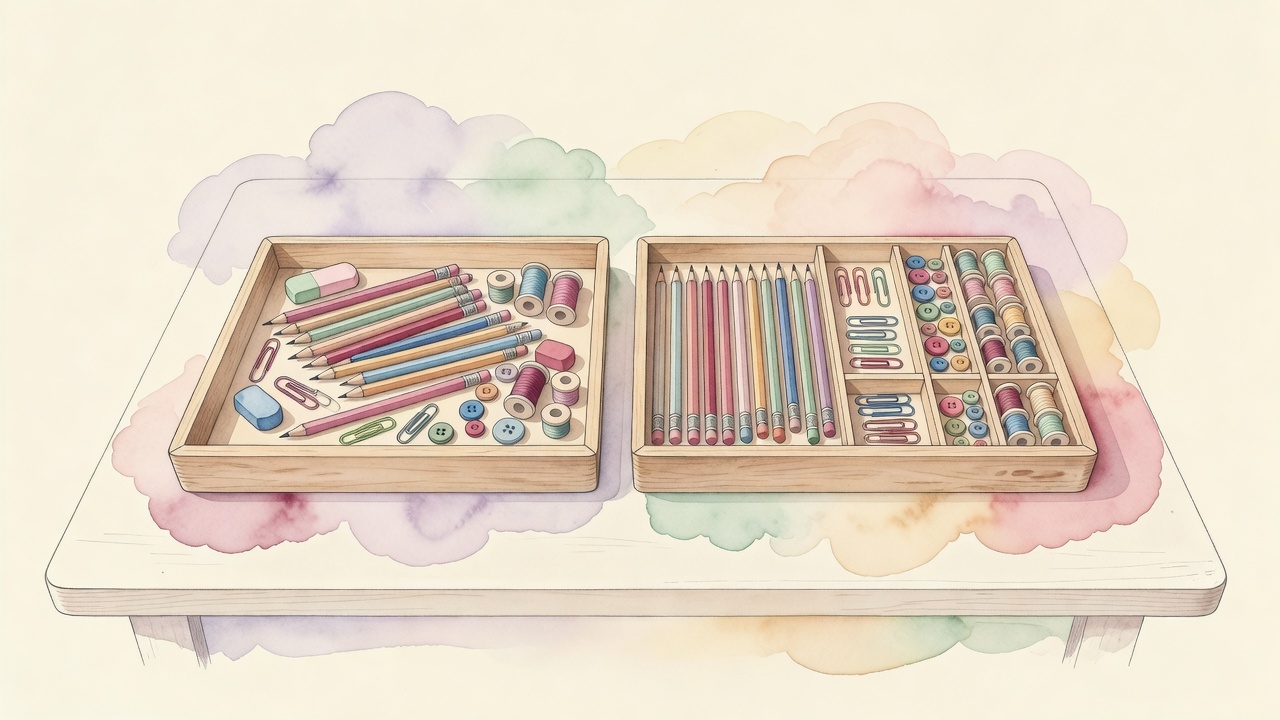
Lumpers and splitters
Science has two temperaments. Lumping gathers things under one broad heading; taken too far, it creates a more and more unwieldy definition whose members have less and less in common. Splitting divides and subdivides; taken too far, it leads to distinctions without difference, ornate and fussy categories, and a failure to see the similarities underneath. Each fails when it is the only tool you own.
Watch different people in your life organize laundry, or office supplies, and this will become abundantly clear. Which are you, a lumper or a splitter? And which does the patient in front of you need today?
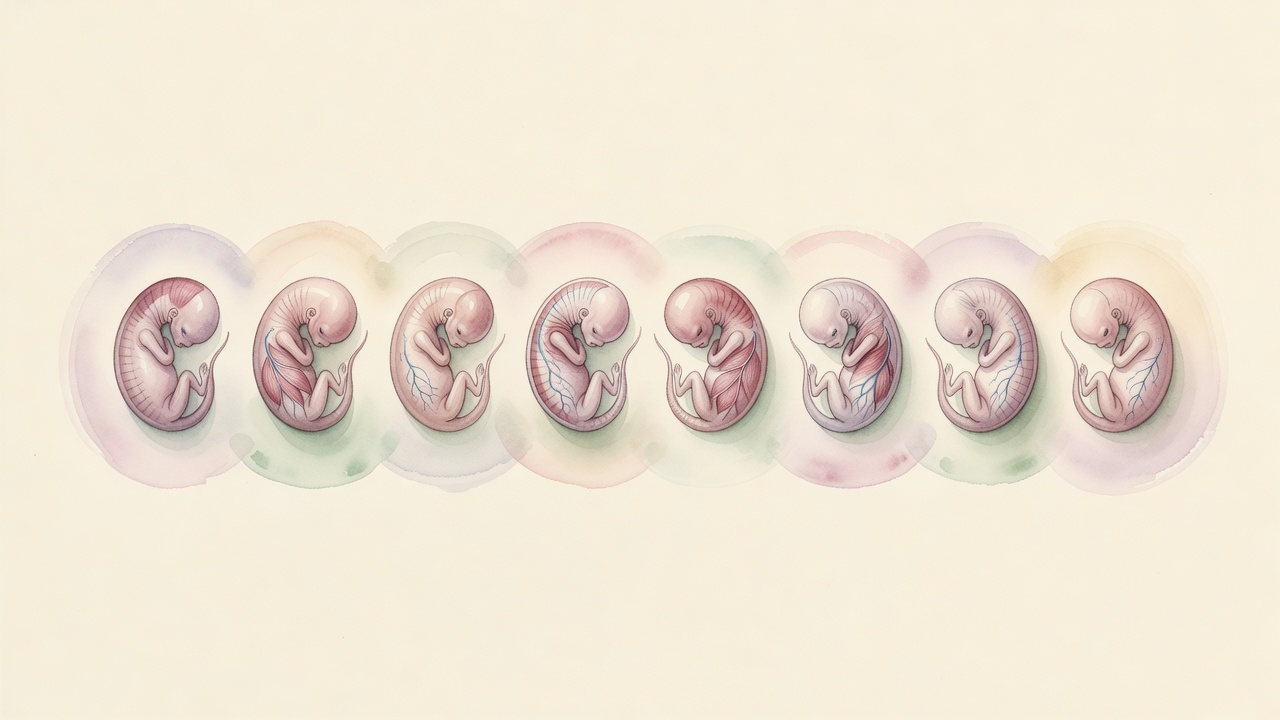
Eight embryos in a row
Picture a plate from a nineteenth-century comparative anatomy text. Eight columns: a fish, a salamander, a tortoise, a chicken, a pig, a cow, a rabbit and a human. Three rows of stages. In the bottom row you tell them apart at a glance. In the top row you cannot: each is a curled comma of a body with a large head, a tail, a row of arches at the neck and a ladder of segments down the back.
Look at that top row. Which of these is the beginning of human life?
You cannot say, and that is the point. One caution: the artist of that plate is known to have tidied the likeness, and real embryos differ more than his drawing admits; the arches and segments, though, are real and shared.
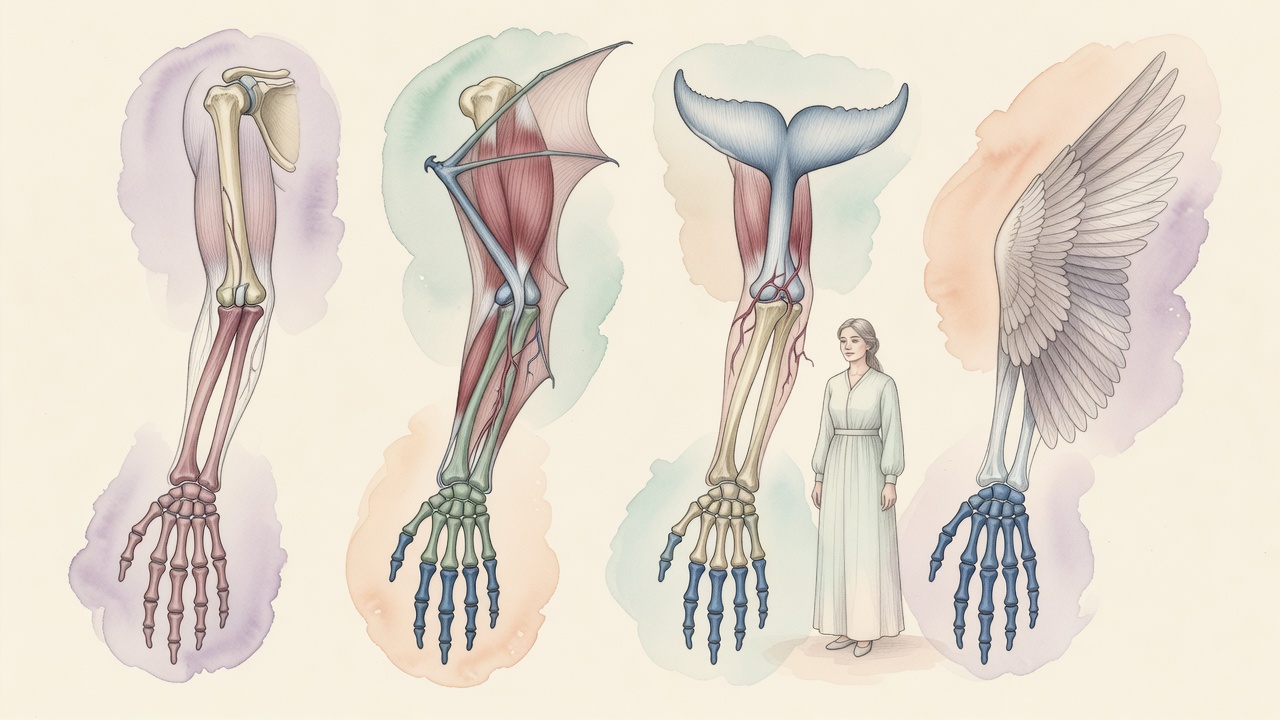
If it ain't broke, nature does not fix it
The lecturer's framing: if it ain't broke, don't fix it. Evolution is conservative. A body plan that works is kept, and the differences between a fish and a human are late modifications of a shared plan. The same bones that make your arm make a bat's wing and a whale's flipper, changed in proportion.
This is why the course begins here. The testosterone-exposed system, two lectures from now, is a modification of a plan you already know, because it is also the plan of the estrogen-exposed system. Nature does not build two bodies. It builds one and adjusts it.
A genetic reminder
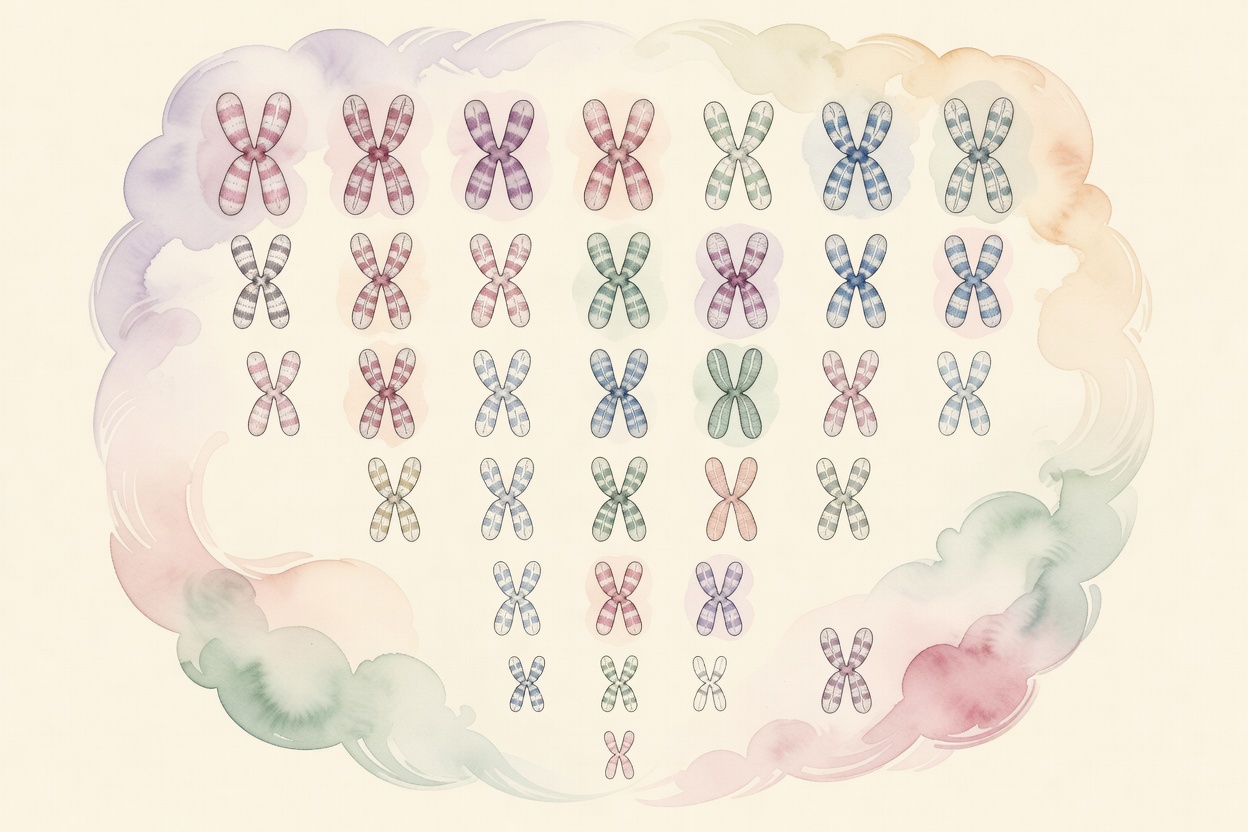
A new human combines genetic material from two donors. Commonly, you receive 1 copy of each of 22 chromosomes from each donor, forming 22 matched pairs, then 1 sex chromosome from each donor, and the combination of those two helps inform the direction your anatomy takes in utero. Laid out by size, that is the karyotype.
That signature is sometimes called genotypic sex: X X considered female, X Y considered male. Other combinations are possible. X X Y is Klinefelter syndrome. A single X with no partner, written X O, is Turner syndrome. There are also partial deletions, inactivations and mosaicisms, in which cells of one body differ, any of which may change what is expressed. The genotype is the information. The phenotype is what the body does with it, the anatomy and physiology you examine.

Far more alike than different
The human genome contains approximately 3.2 billion base pairs. Letter for letter, any two humans are 99.9 percent identical; counting insertions, deletions and larger rearrangements, nearer 99.6. The deck's 12 million base pairs are not the gap between two people but the order of the common variant sites catalogued across the whole population; one person differs from the reference genome at about 4 to 5 million of them.
The information is grouped in volumes we call chromosomes. Picture a shelf of encyclopedias. Twenty-two pairs are matched. Then comes the X, a thick volume of roughly 900 protein-coding genes, and beside it the Y, a slim one with a few dozen by most counts. The deck calls the Y the volume that describes the development of the prostate, the externally set gonads, sperm and the Wolffian ducts. More exactly, the Y carries a small gene called S R Y, the sex-determining region, which tells the undecided gonad to become a testis, plus a cluster of genes needed to make sperm; the rest of that list is done by hormones acting on genes every human carries. The slim volume does not write the body. It turns one page, and keeps a few of its own.
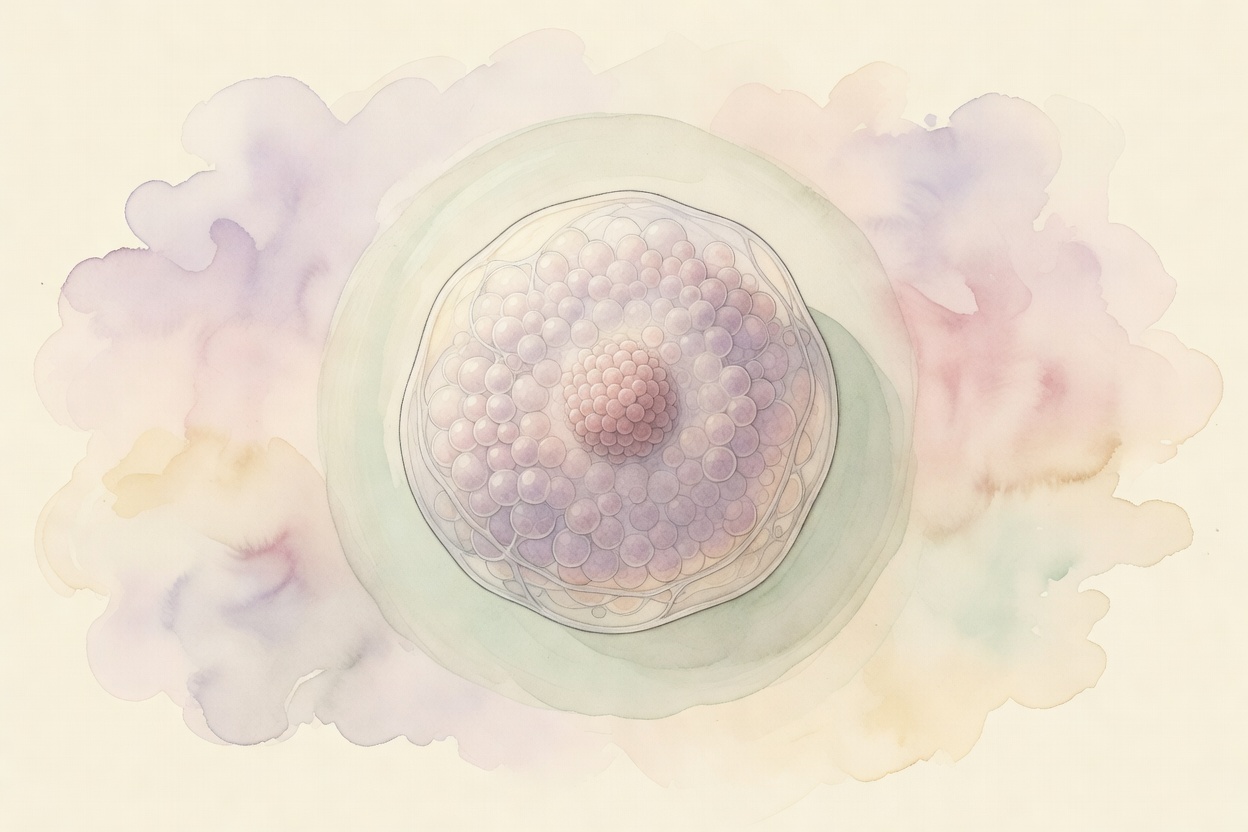
Greater than the sum of our parts
One more word from Aristotle, this time his own, from the Metaphysics, Book 8, passage 1045a, in the translation by W D Ross.
In the case of all things which have several parts and in which the totality is not, as it were, a mere heap, but the whole is something besides the parts, there is a cause.
A heap of chromosomes is not a person. A heap of hormones is not a sex. Something holds the parts into a whole.

Our genes are not a foregone conclusion
Nature versus nurture is the old framing. The course sets beside it epigenetics: chemical marks on DNA and its packaging that change which genes are read without changing the sequence. It places generational trauma here too: the proposition that what one generation lives through can mark the next.
There is not one path; there are many. Which is taken is a game of statistics, in which the likelihood of an outcome is shifted by events. Sometimes the result is permanent or binary. Often it is not. Pluripotency: a cell's capacity to become many kinds of cell. Quiescence: a cell or gene lying dormant, able to be woken. Variable expression: the same gene producing different degrees of effect. A 2019 survey of wild green frogs found, in most ponds sampled, a few whose bodies had developed as one sex while their chromosomes said another. In many reptiles and fish, and some amphibians, sexual development is sensitive to the environment, temperature among the influences.
Internal genital homologies
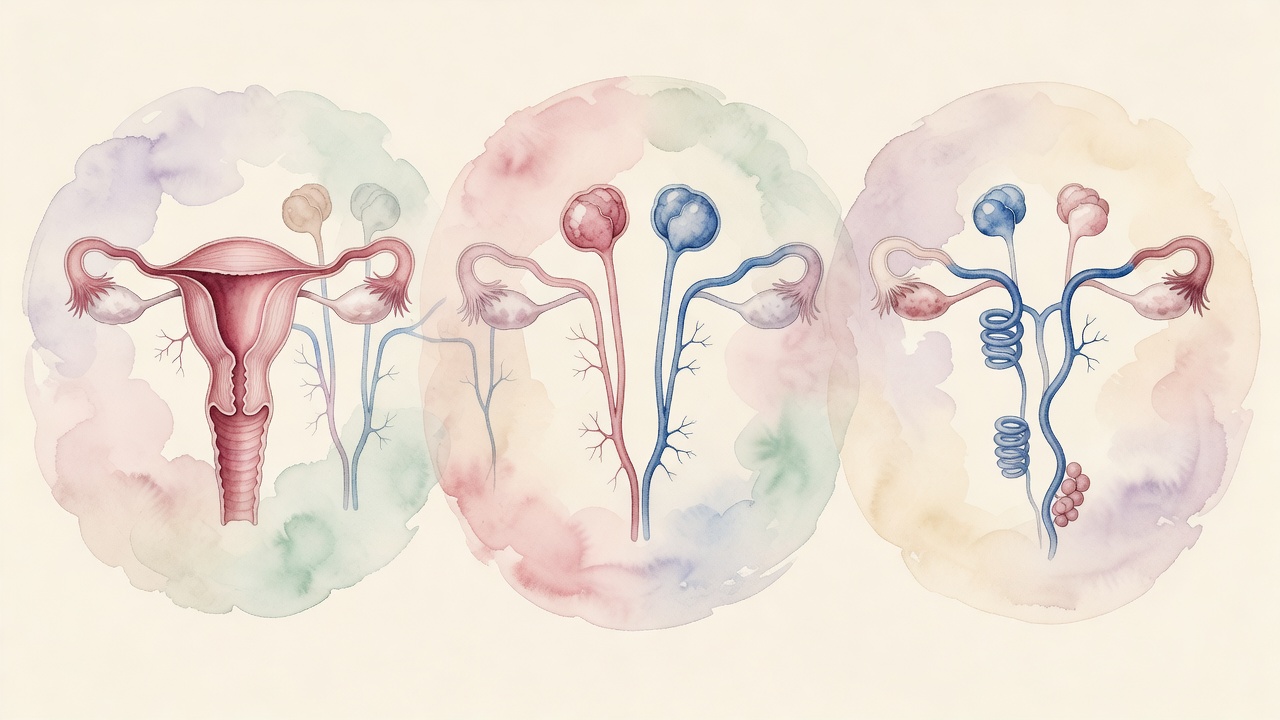
Homology comes from the Greek homos, same, and logos, which the deck glosses as relation: a structure that serves a similar purpose or comes from a similar source.
Around the sixth week every embryo has an undecided gonad and two pairs of ducts beside it, the Müllerian and the Wolffian. If the gonad becomes a testis, it releases anti-Müllerian hormone, which makes the Müllerian ducts regress, and testosterone, which keeps the Wolffian ducts and shapes them into the epididymis, the vas deferens and the seminal vesicles. If the gonad becomes an ovary, there is no anti-Müllerian hormone and little testosterone; the Wolffian ducts fade and the Müllerian ducts persist, fusing in the midline to form the uterus, their upper portions becoming the fallopian tubes, their lower end the upper vagina. Adults commonly carry small remnants of the system that did not develop. Nobody starts with one set of plumbing. Everybody starts with both.
External genital homologies and the shared floor
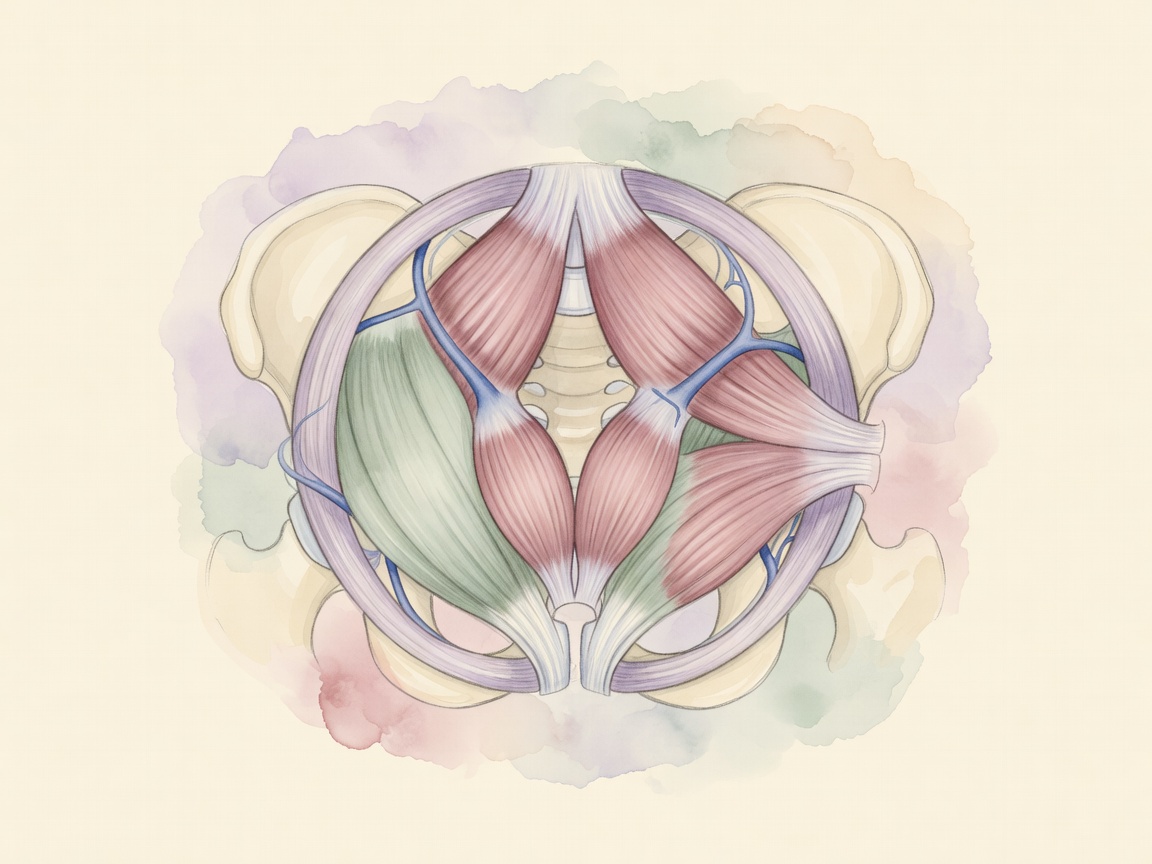
Outside, the same story. Until about the ninth week the external genitalia of every embryo are indifferent: a genital tubercle, a pair of urogenital folds and a pair of labioscrotal swellings. The genital tubercle becomes the glans of the clitoris or of the penis. The urogenital folds become the labia minora, or fuse along the underside of the shaft to enclose the urethra. The labioscrotal swellings become the labia majora, or fuse in the midline into the scrotum, leaving the seam called the raphe. The fusing path is driven by dihydrotestosterone, made from testosterone in those tissues by five-alpha reductase. Inward, the Skene's glands of one body are the prostate of another, and the Bartholin's glands pair with the bulbourethral glands.
Beneath it all lies the same pelvic floor. Bulbospongiosus, ischiocavernosus, the transverse perineal muscles, levator ani and the external anal sphincter are the same muscles in every body, with the same sacral nerve supply, arranged around openings of different shape. When you treat a pelvic floor, you treat a shared structure.
The messengers and the receivers
The hypothalamus releases gonadotropin-releasing hormone to the pituitary; the pituitary releases luteinizing hormone and follicle-stimulating hormone to the gonads; the gonads answer with testosterone and estradiol. A parallel line runs from the pituitary to the adrenals, which in fetal life carry a large fetal zone that feeds hormone precursors to the placenta and shrinks after birth.
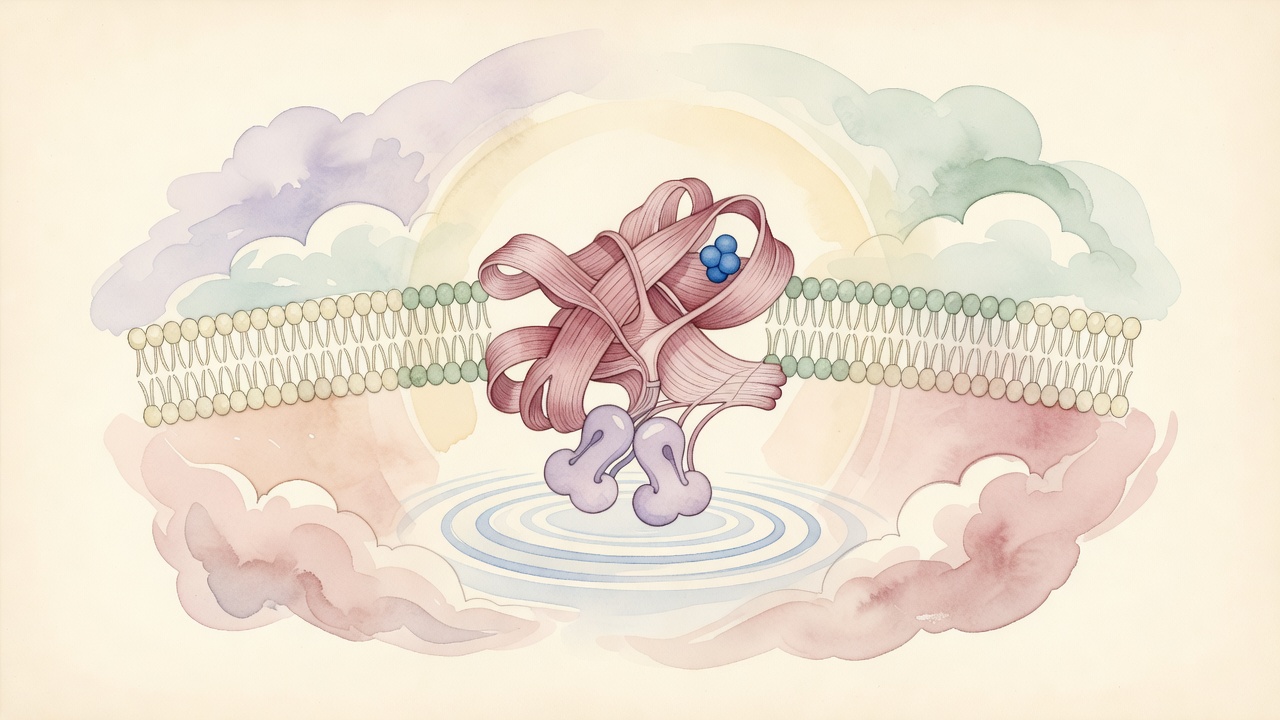
These are the messengers. A message is received when a hormone, the ligand, fits a receptor in the target tissue. Many receptors sit in the cell membrane and pass the signal inward through a G protein; steroid hormones cross the membrane and bind receptors inside the cell that act directly on genes. The tissue then changes toward the size, shape and function of the adult individual. If there are changes in the participants at any stage, the message may not get sent the same way. In complete androgen insensitivity an X Y fetus makes testosterone its receptors cannot read, and external development takes the path that needs no androgen. In congenital adrenal hyperplasia an X X fetus is exposed to excess adrenal androgens, which shape its external genitalia to varying degrees.
Critical periods
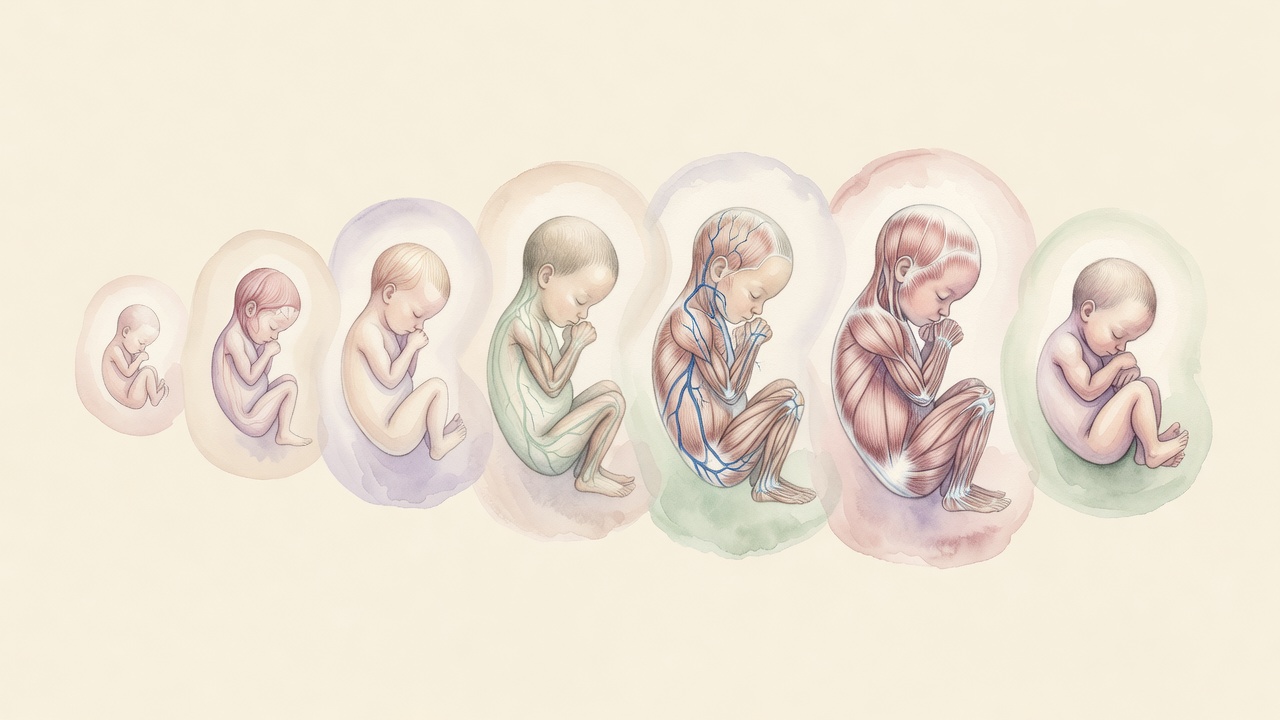
There are critical periods of fetal development for each system. The embryonic period, weeks 3 through 8 from fertilization, is when most organs are laid down and when an exposure most easily causes a major structural malformation. Before it, an insult tends to be all or nothing: the embryo is lost, or recovers whole. After it comes the fetal period, growth and functional maturation; the windows narrow but do not close. The brain stays sensitive throughout gestation, and the external genitalia remain sensitive to androgens well past the twelfth week.
Timing matters as much as dose. The same exposure in week 5 and week 25 produces different results, because the message arrives at a different participant.

Three areas of focus
You made it through Developmental Anatomy. Gold star. The deck leaves you with three areas of focus.
We are so much more same than different. Differentiation events are variable. And attention to differences is most helpful when there is a specific problem to solve.
Carry those into the next lecture, on puberty, where this plan is woken up. Bring your questions with you.
Puberty and Early Sexual Development

Puberty, sexual differentiation and early sexual development
This is the third lecture in the Foundations class. The last hour carried the body from a single cell to a newborn; this one runs from birth to the edge of adulthood.
The material comes from the course director at the Northwest Institute on Intimacy, a board-certified sexual medicine and occupational medicine physician who teaches at the University of Washington and is medical director of Rainier Occupational Clinic.

Four objectives for this hour
The course sets four objectives. First, describe the postnatal events of sexual differentiation in our species. Second, consider how variable that experience is across time and cultures. Third, decouple the biological processes from the narratives about sexual development. Puberty is a set of physiological events; the stories a culture tells about them are a separate thing, and a clinician needs to hold the two apart. Fourth, discuss early sexual behavior in humans, where the word normal gets interrogated.
From birth until puberty, the axis is mostly quiet
There is a short period of activity in the hypothalamic-pituitary axis in the immediate postnatal period, called mini-puberty. Gonadotropins and sex steroids rise in the first weeks of life and settle back over roughly the first six months in boys, more slowly in girls. After that the axis is largely quiet for years.
The brain, meanwhile, is very busy, pruning its vast, pluripotent neural networks into organized, useful ones.
Growth velocity is highest in infancy, falls through the toddler years, and then runs at a relatively constant rate until puberty. That steady growth is driven not by sex hormones but by insulin-like growth factor one, I G F one, which the liver makes in response to growth hormone, together with thyroid hormones. At puberty the curve turns sharply upward into the growth spurt. In girls the spurt comes early in puberty; in boys it comes about 2 years later and reaches a somewhat higher peak.
What puberty actually is: the pulse
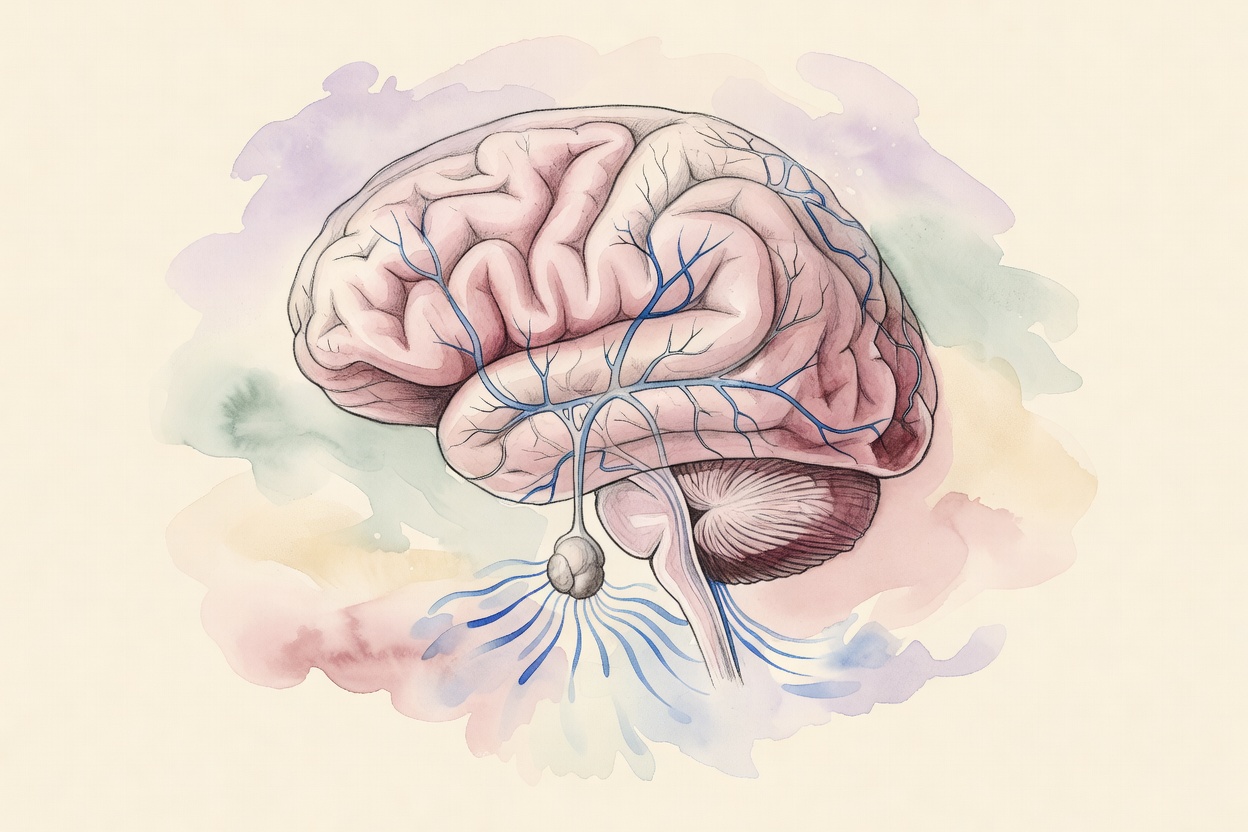
Puberty is the transition of the hypothalamus to the pulsatile release of gonadotropin-releasing hormone, the G N R H signal. GnRH released in rhythmic bursts drives the pituitary to release luteinizing hormone and follicle-stimulating hormone, L H and F S H, the gonadotropins, which in turn cause the gonads to release the sex hormones, estradiol and testosterone. That cascade is the hypothalamic-pituitary-gonadal axis.
A steady, unbroken level of GnRH does the opposite: it desensitizes the pituitary and shuts gonadotropin release down. That is how the puberty blockers later in this hour work.
Reference ranges for all four hormones are published by age and pubertal stage, and before puberty they sit low.
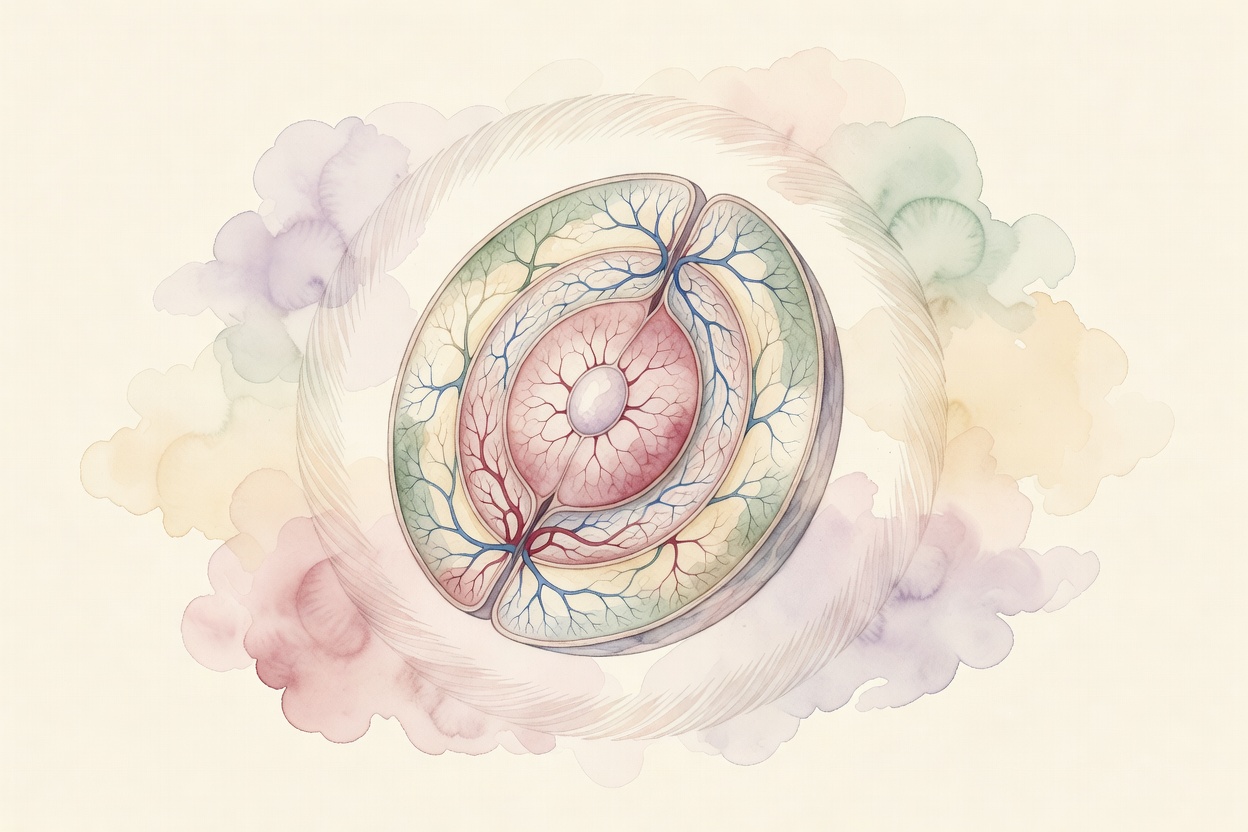
Adrenarche, the other awakening
Adrenarche is the maturation of the zona reticularis, the innermost zone of the adrenal cortex, and the release of adrenal hormones from it, mostly weak androgens, chiefly dehydroepiandrosterone and its sulfate. It typically begins around age 6 to 8, before the gonadal axis stirs, and underlies the first adult body odor and often the first pubic and underarm hair and the first acne.
Adrenarche stands alone from the hypothalamic-pituitary-gonadal axis. It is not driven by GnRH, and blocking GnRH does not stop it. A child can show early pubic hair with a quiet gonadal axis.
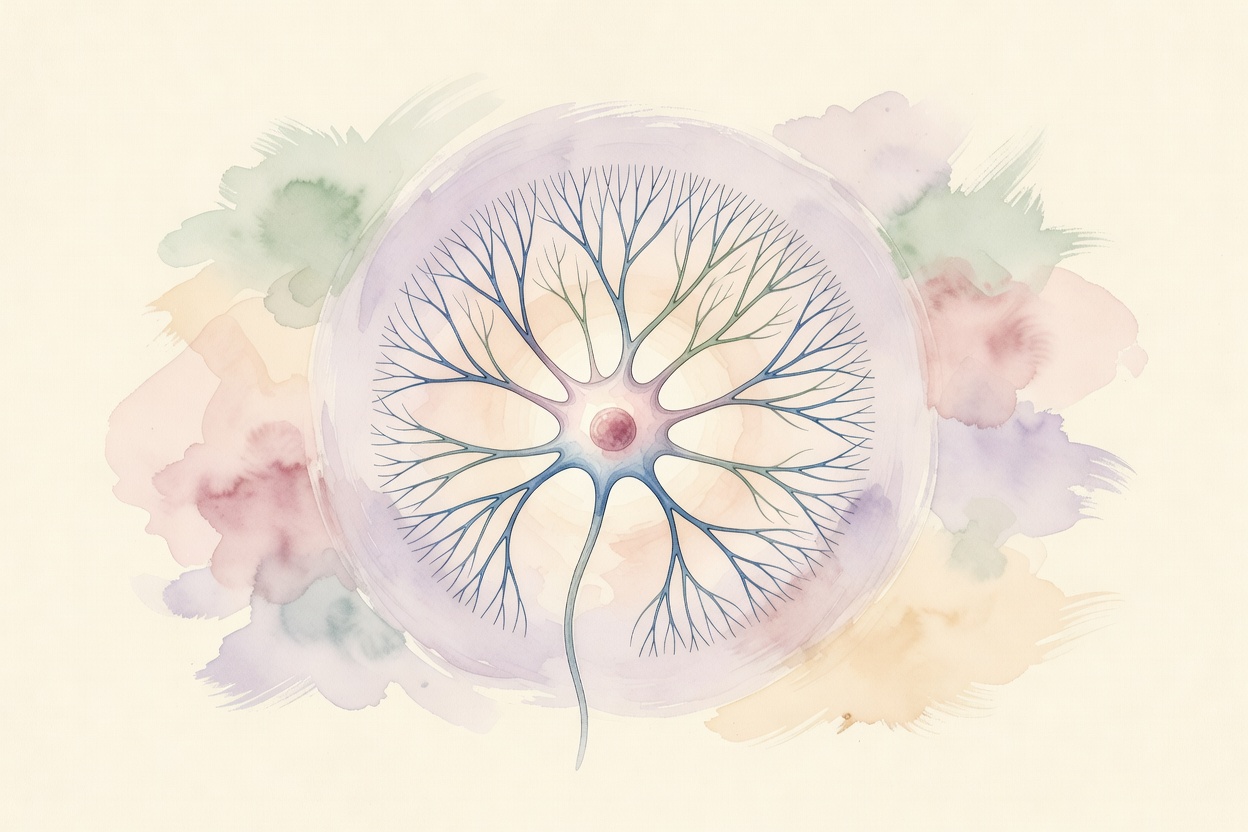
What sets puberty off
What starts the pulse generator is still a matter of significant scientific discussion. Over the past century and a half, puberty has been noted to begin much earlier and to complete slightly later than in previously recorded generations. Northern European records put age at first menstruation at roughly 15 to 17 in the mid-1800s and near 13 a century later.
The suggested reasons are nutrition, endocrine modulation from chemicals in the environment, and emotional well-being at the time of onset. Each varies across cultures, and so does the timing.
Yet it is suggested that 50 to 80 percent of the factors that influence pubertal timing are under genetic influence.
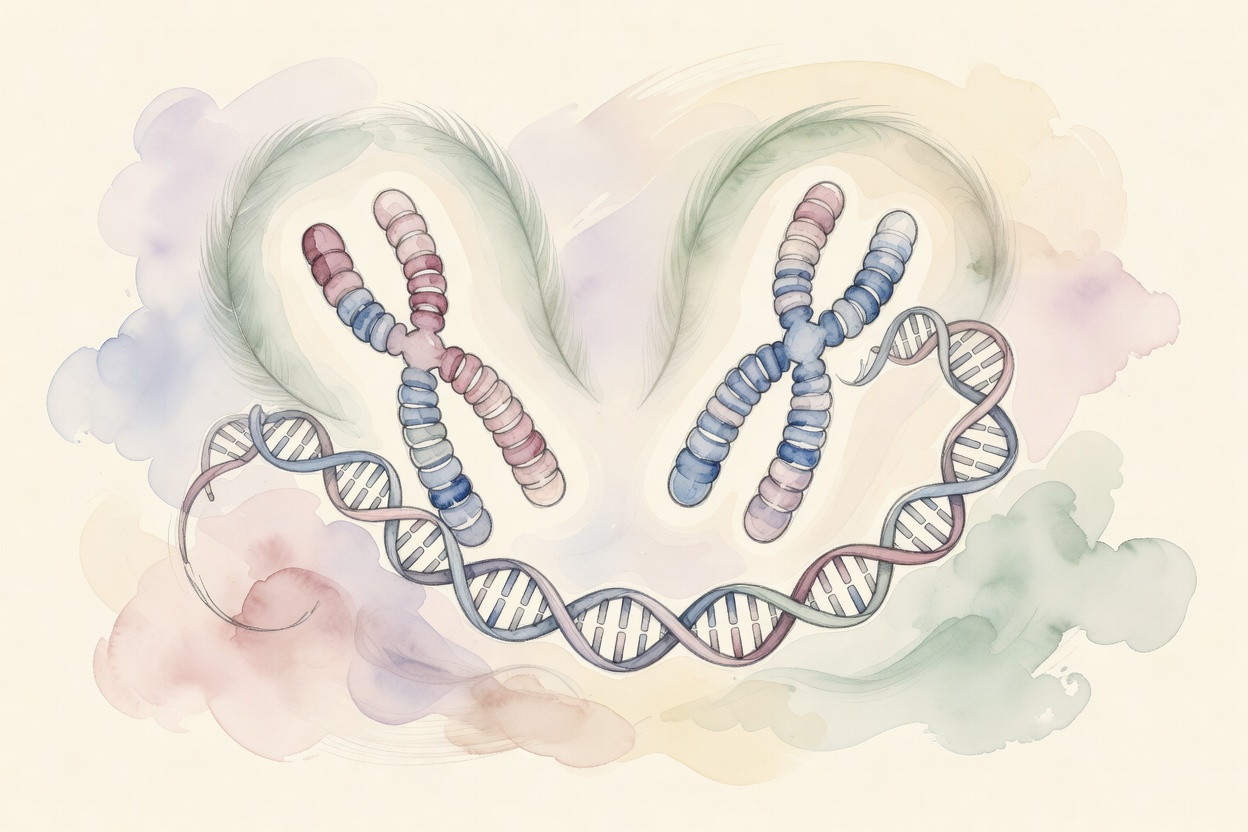
Four hundred genes and counting
Hundreds of genes have been identified in the signaling of pubertal timing, with many more being studied. Among the best understood is the kisspeptin system, a small peptide and its receptor that act as the gatekeeper on the GnRH neurons themselves.
The lesson is that pubertal timing is the output of many interdependent systems, metabolic, neural and endocrine, each with its own vulnerabilities.
Expected ages, and what early and late are associated with
The expected age of onset is 8 to 13 in people assigned female at birth and 9 to 14 in people assigned male at birth. Precocious puberty is onset before that window; delayed puberty is onset after it.
Large population cohorts, chiefly the United Kingdom Biobank, have linked pubertal timing to health across the lifespan. In people assigned female at birth, precocious puberty is associated with type 2 diabetes, cardiovascular disease, breast cancer, uterine fibroids, hiatus hernia, osteoarthritis, poor sleep quality and short stature, and in other cohorts with endometrial cancer and greater all-cause mortality. In people assigned male at birth, it is associated with short stature, type 2 diabetes, cardiovascular disease, irritable bowel syndrome, depression, poor overall health and poor sleep.
Delayed puberty has its own associations. In people assigned female at birth: early natural menopause, malabsorption and coeliac disease, a low score on a test of fluid intelligence, asthma, poor overall health and poor sleep. In people assigned male at birth: anxiety and panic attacks, depression, asthma, and eczema and dermatitis.
These are population associations, not fates, but they make pubertal timing worth a line in any adult's history.

When puberty is delayed on purpose
There are reasons to delay puberty deliberately, and even to prevent it. The first is to allow cognitive maturity, or the legal age of decision, to arrive before irreversible changes do, so the young person can take part in the decision. The second is in children with significant developmental delays, where consent is itself the ethical problem: who decides, on what grounds, about a body that cannot speak for itself?
The course points you to PillowAngel.org, the website kept by the family at the center of the best-known case of intentional puberty prevention.
The Ashley case, as the course presents it
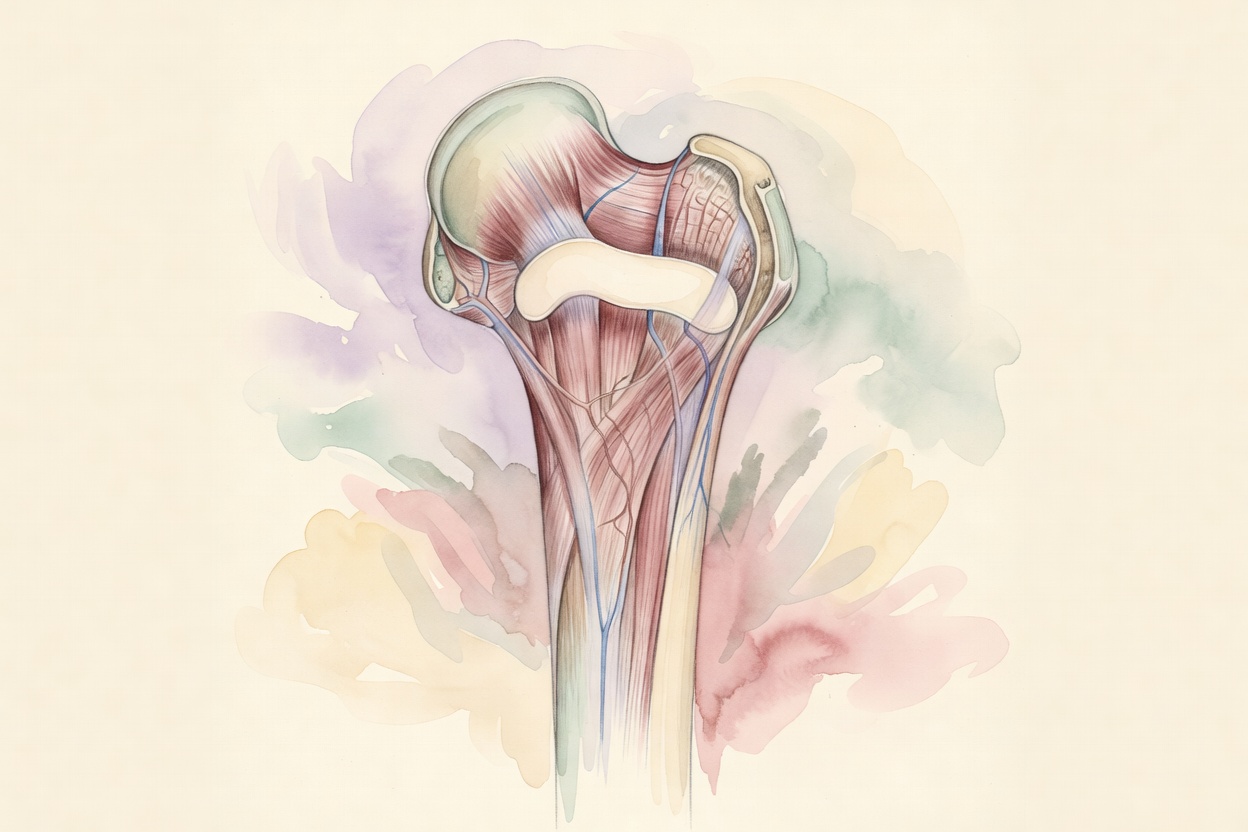
The child is known as Ashley X. She was born in 1997 in Washington State with static encephalopathy, a profound developmental disability, and her parents called her their pillow angel because she stays where she is placed. In 2004, with the approval of the ethics committee at the Seattle children's hospital, her parents arranged the Ashley treatment: high-dose estrogen to hasten closure of the growth plates and limit her adult height, a hysterectomy, and removal of the breast buds. Her physicians published the case in 2006. In 2007 the state's disability protection and advocacy agency found that the hysterectomy had been performed without the court order Washington law requires before sterilizing a person who cannot consent, a finding the hospital accepted.
The course does not ask you to settle the case, only to notice the questions it holds: whose interests the intervention serves, what is lost when a body is held in a child's form, who speaks for a person who cannot. The ethics of intentionally altering puberty are not an abstraction; they have names and dates.
Puberty blocking with GnRH analogues
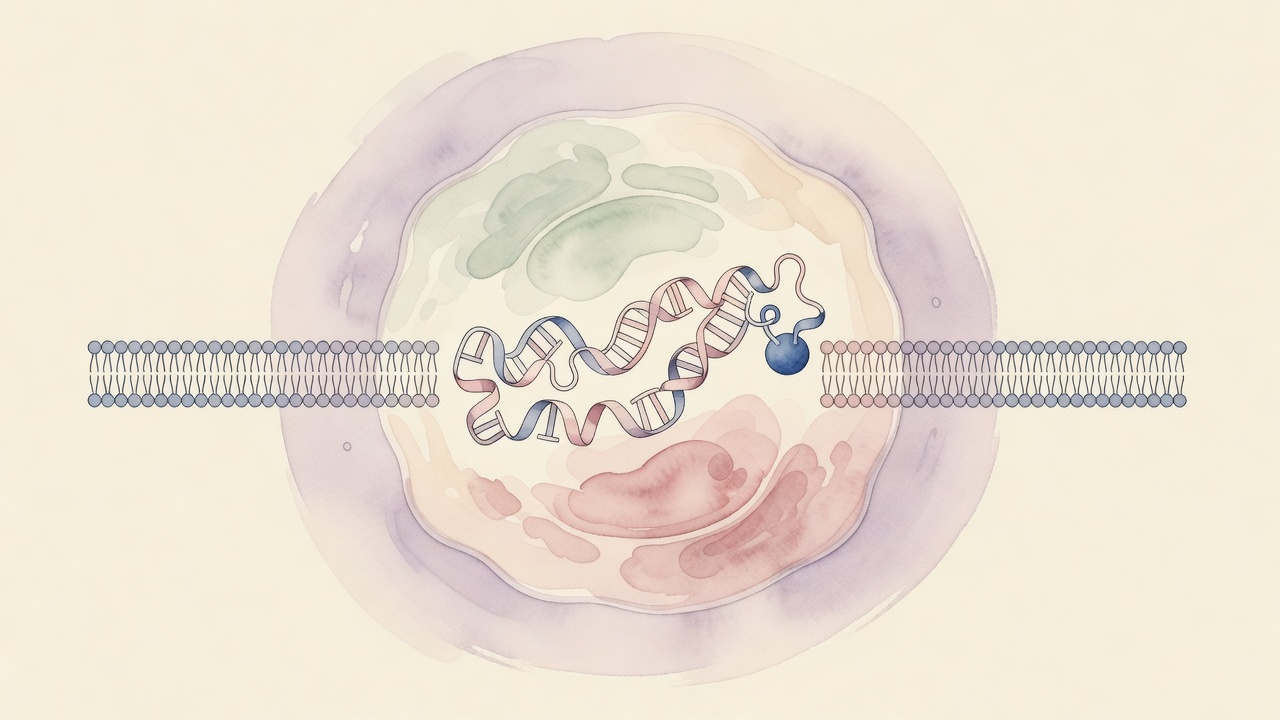
The tools for holding puberty still are the GnRH analogues. These are long-acting versions of GnRH itself; their continuous signal desensitizes the pituitary, and after a brief initial flare LH and FSH fall and the gonads go quiet, reversibly, for as long as the drug is present.
Leuprolide comes as the acetate in Lupron Depot, Eligard and Fensolvi and as a mesylate salt in Camcevi, and across those products is used for prostate cancer, endometriosis, uterine fibroids and central precocious puberty. Goserelin acetate, sold as Zoladex, is used for prostate cancer, breast cancer and endometriosis. Triptorelin pamoate, sold as Trelstar and Triptodur, is used for prostate cancer and central precocious puberty. Histrelin acetate, sold as Supprelin LA, is a slender yearly implant under the skin of the upper arm, used for central precocious puberty; the same drug was sold as Vantas for prostate cancer until 2021. Nafarelin, sold as Synarel, is a nasal spray used for endometriosis and central precocious puberty.
Sexual dimorphism
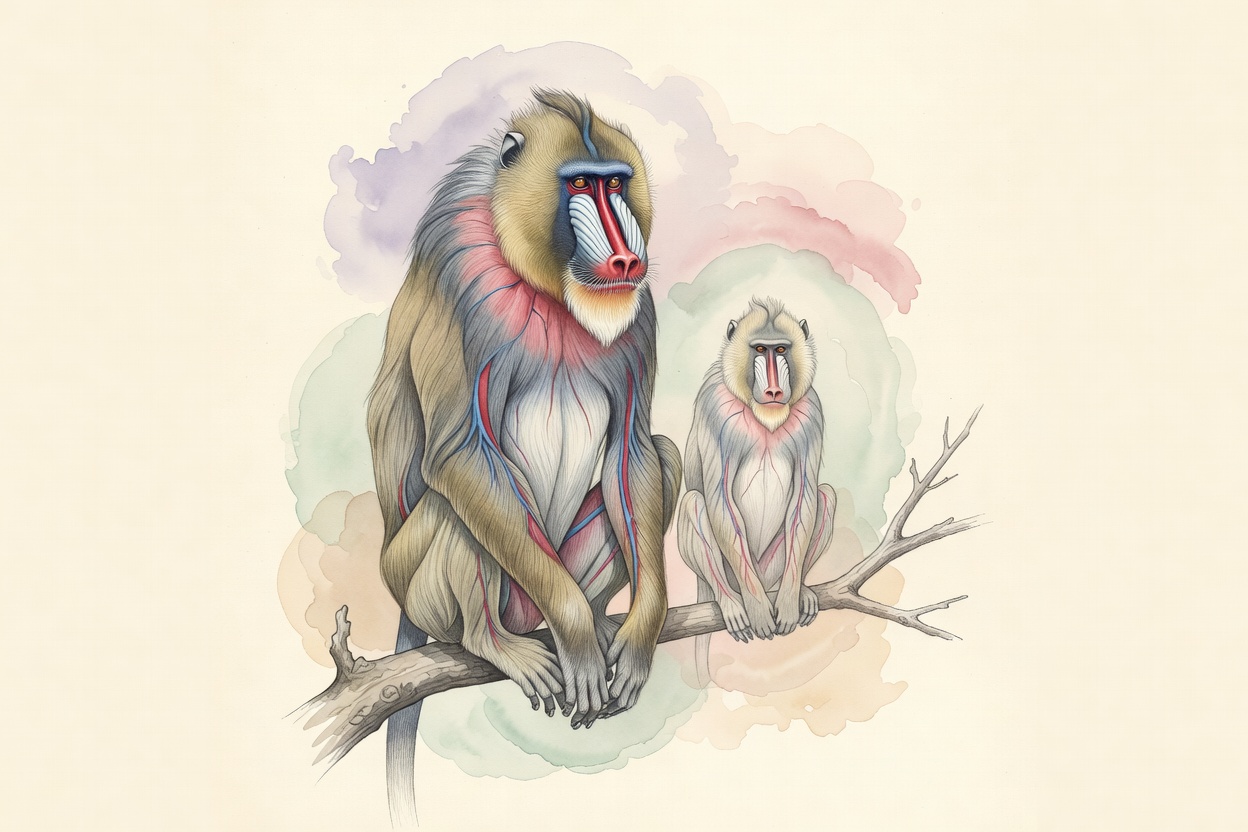
Sexual dimorphism is the general scientific term for members of the same species looking different according to their sex, which in mammals follows the sex chromosomes they carry. The mandrill is the textbook primate example. The adult male is roughly 2 to 3 times the female's body mass, and his face and hindquarters carry vivid blue and scarlet coloration that is far more muted in her; the red deepens with his testosterone and his rank in the troop.
Dimorphism is a spectrum across species, and humans sit toward the modest end.
Human sexual dimorphism
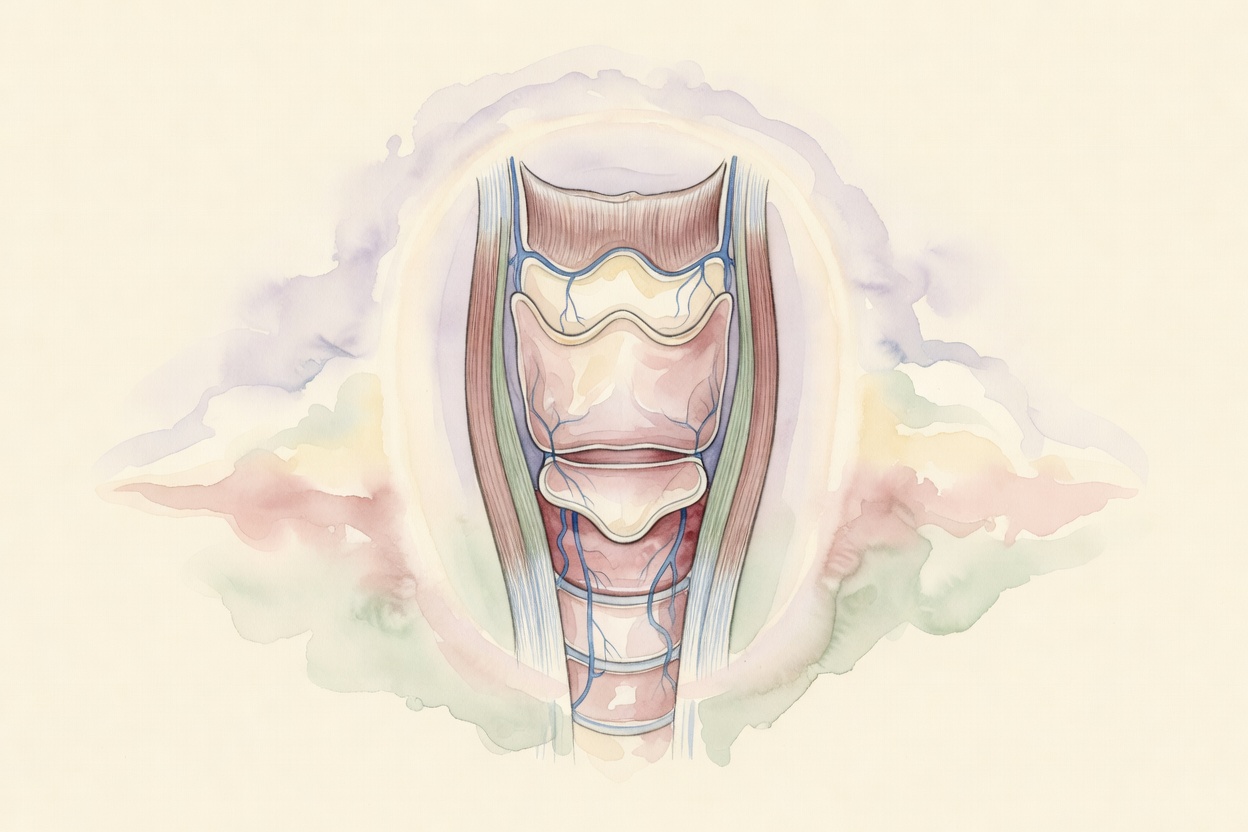
Here is the course's list for our species. Body mass: males carry about 16 percent more mass on average. Body composition: about 65 percent more lean muscle mass on average. Voice: males have a larger larynx, which contributes to a lower pitch; under testosterone the vocal folds lengthen and thicken, which is why the adolescent voice breaks. Hip-to-waist ratio: females have a broader pelvic diameter. Facial bone structure: pronounced brow ridges and a heavier mandible in males. Body hair: facial hair growth is influenced by androgens, the masculinizing hormones. And fat around mammary tissue: breast development is increased by the feminizing hormones.
Every item is an average with wide, overlapping distributions behind it.
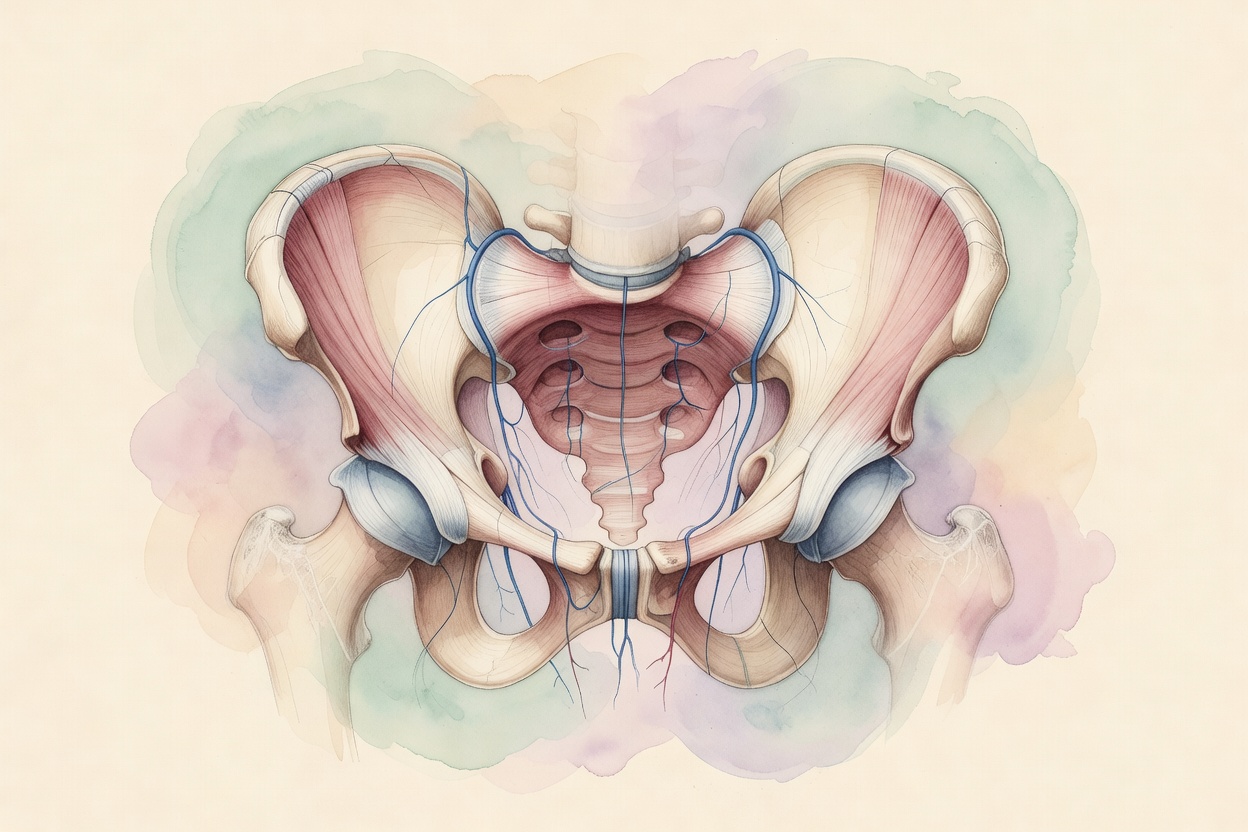
Secondary sexual characteristics, masculinizing and feminizing
We generally think of puberty as the development of secondary sexual characteristics; the course frames it as the application of either masculinizing or feminizing hormones to the system, resulting in the differentiated adult state. Testosterone masculinizes, estradiol feminizes, and the same underlying body responds to whichever it is given.
Clinicians stage the process with the Tanner scale, five stages from 1, prepubertal, to 5, adult, rated separately for breast development, genital development and pubic hair. In most people assigned female at birth the first sign is the breast bud; in most people assigned male at birth it is enlargement of the testes.

Childhood sexual behavior is a spectrum
The course points you to HealthyChildren.org, the parent-facing site of the American Academy of Pediatrics, which lays out sexual behaviors in children aged two through six and sorts each into one of four columns: common and normal, less common and normal, uncommon but seen in normal children, and rarely normal. Touching one's own genitals and curiosity about other people's bodies sit in the first column. What moves a behavior toward the last column is mostly its features: coercion or force, an age gap of four or more years between the children, behavior that causes distress or pain or comes with aggression, behavior that is daily and cannot be redirected, and imitation of adult sexual acts.
The lecturer dislikes the word normal and would rename the last column warrants investigation or intervention. That rename moves the clinician from judging a child to asking a question. Most of it is probably normal.

What are the kids up to these days
The deck ends on a discussion prompt.
What are the kids up to these days? Before you answer from a headline, ask where your picture of young people comes from, how much of it is data and how much is story, and what your own elders once said about you. Then ask what it would take to decouple the biology you have just reviewed from the narratives attached to it.
The Testosterone-Exposed System

What this lecture asks you to hold
This last Foundations lecture turns from how the body is built to how one version runs. The course calls it the testosterone-exposed system: the anatomy that develops when the gonads are testes and the tissues grow up in testosterone. Three objectives shape the hour. Understand the physical infrastructure of the system. Describe the regular maintenance that keeps its tissues healthy. And think about the common conditions that affect it. Infrastructure, then maintenance, then failure modes: the order an engineer would choose.
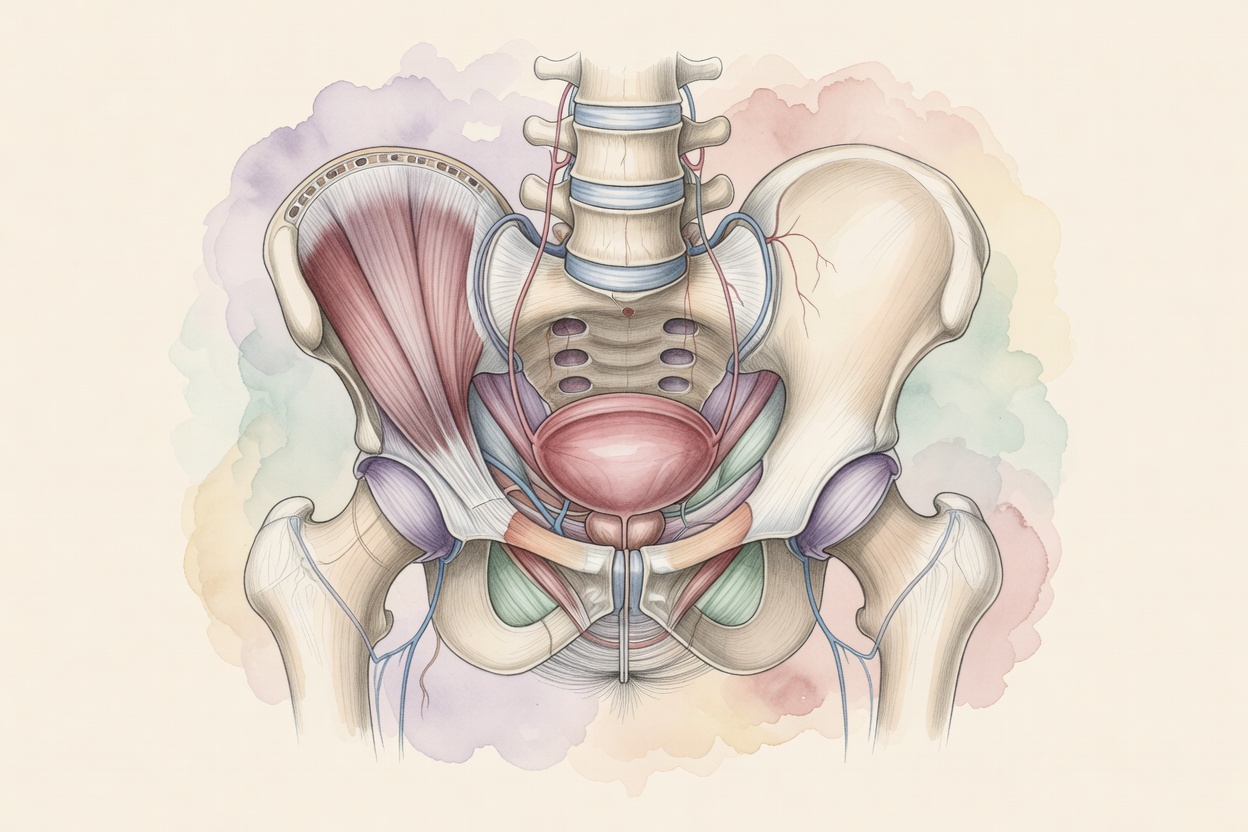
The infrastructure, in section
At the front of the pelvis, cut down the midline, sits the bladder, and beneath its outlet, wrapped around the first stretch of the urethra, is the walnut-sized prostate. Behind it, between prostate and rectum, lie the paired seminal vesicles. From there the urethra passes through the pelvic floor and runs along the underside of the penis inside a cylinder of spongy tissue, the corpus spongiosum, which flares into the glans. Above it lie the two corpora cavernosa. Below hang the testes in the scrotum; outside, the shaft, the glans, and in the uncircumcised the foreskin that covers it. Every condition in this lecture lives somewhere on this map.
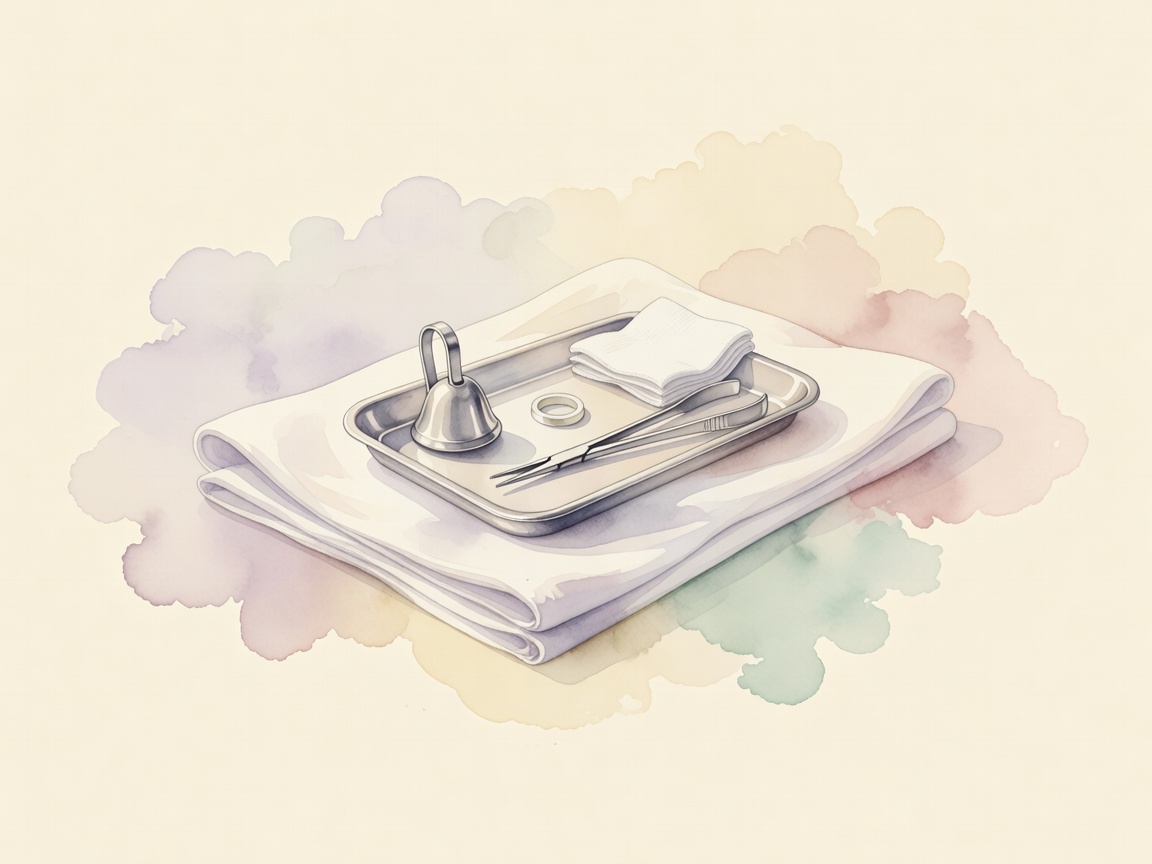
The foreskin and circumcision
The foreskin is a fold of skin that covers the glans. Removing it is called circumcision, often performed on newborn infants with penises, usually with a clamp or plastic ring that shields the glans. Phimosis is an overly restrictive foreskin that cannot be retracted over the glans, graded by how far it will draw back. In infants, though, the foreskin is normally fused to the glans and separates gradually through childhood, so a non-retractile foreskin in a small boy is usually physiology, not disease. True phimosis may require surgical revision. Otherwise, removal has not been proven to confer a benefit in most environments. That is the course's position.
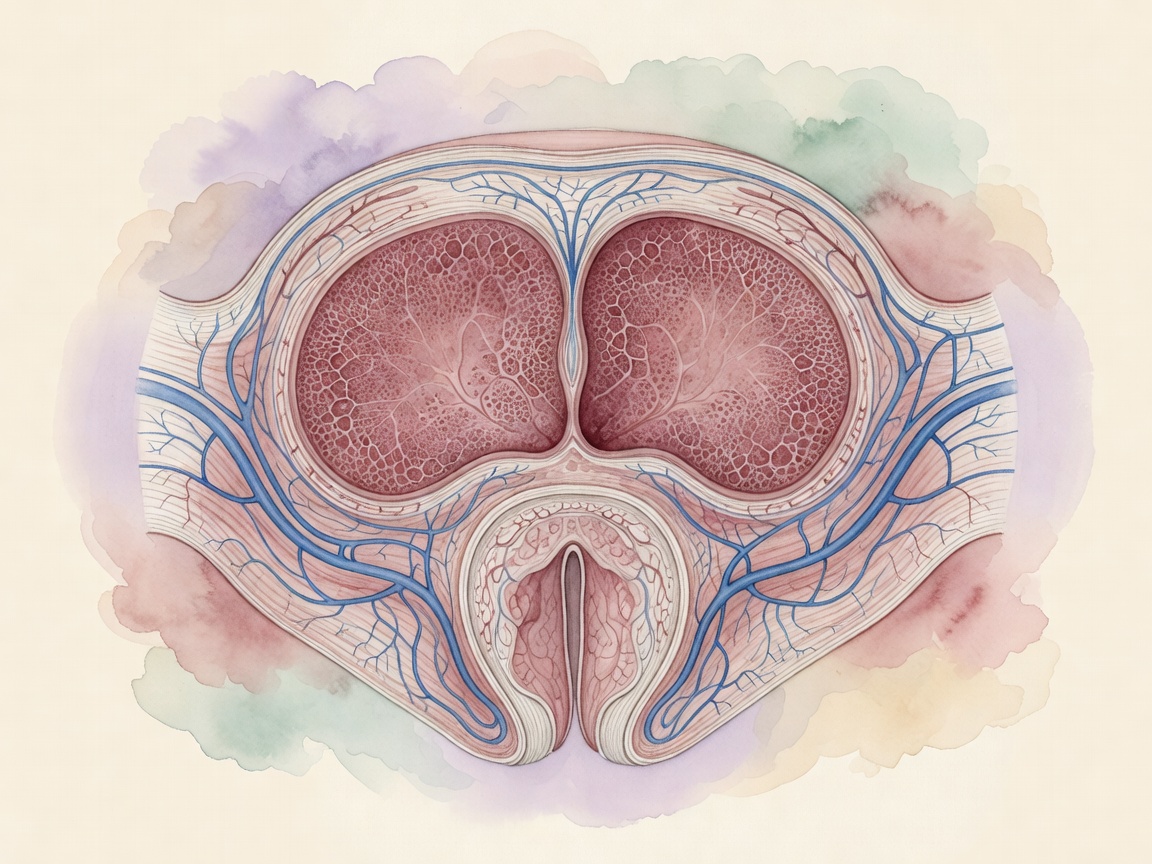
Erectile tissue, and the scar that can bend it
In cross-section the three cylinders reappear: two corpora cavernosa above, each a sponge of blood spaces inside a tough fibrous sheath, the tunica albuginea, and the corpus spongiosum below, around the urethra. An erection is hydraulic: the tissue engorges by letting blood in and not letting it back out. The gate opens when the smooth muscle in the artery walls and in the sponge relaxes, not when it contracts. The filling spaces compress the veins draining through the sheath and trap blood under pressure. When the smooth muscle contracts again, the spaces empty, the veins reopen, and the tissue softens: detumescence. Everything that follows on treatment is about that smooth muscle.
Peyronie disease lives in that sheath. Scar tissue forms a plaque in the tunica albuginea, and the erection curves toward it. By the course's figure it affects up to 10 percent of men, usually through an active phase of pain and changing curvature that settles within 6 to 18 months. The curvature can be severe enough to prevent penetrative sex, and it is often stigmatizing.
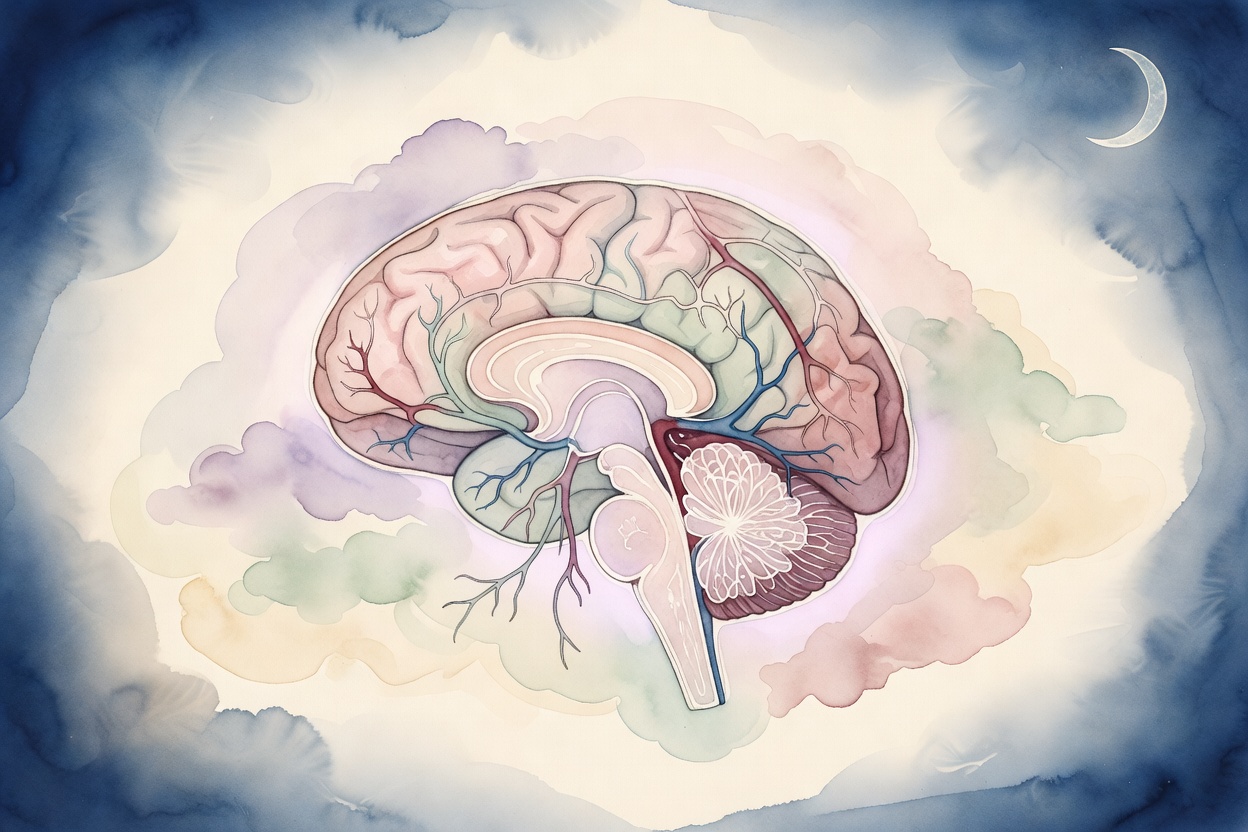
Nocturnal tumescence, a lesson in system maintenance
People with penises begin having erections at birth, and in the absence of dysfunction these continue intermittently across the lifespan, most of them during sleep. Nocturnal erections come in step with REM sleep, typically three to five times a night. A long-standing hypothesis holds that the flaccid penis is a low-oxygen environment and these episodes flood it with oxygenated blood, keeping the smooth muscle in condition. So tissue that loses its nerve supply after surgery begins to stiffen and shrink. A system that exercises itself nightly is designed to last, and after an injury the clinician's job is to keep the exercise going.
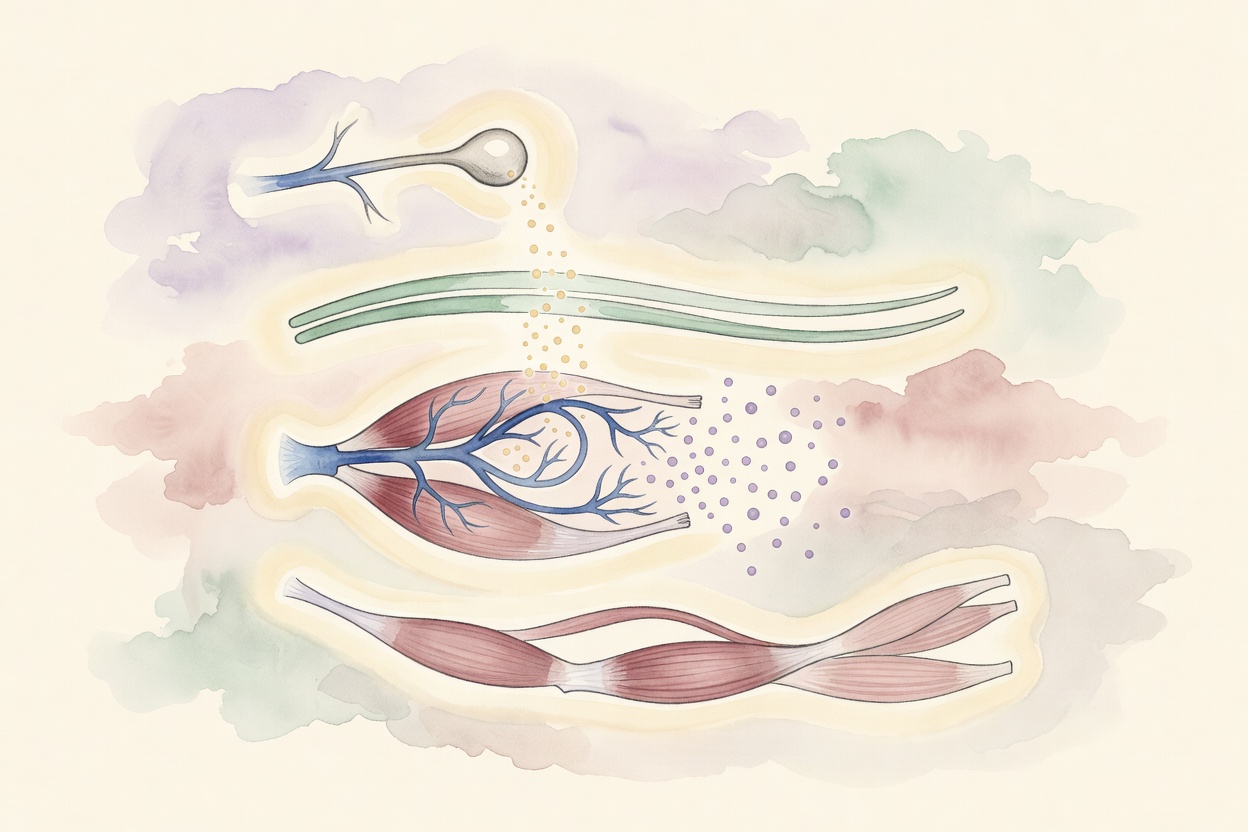
Three systems and one enzyme step
An erection needs coordinated input from the nervous, cardiovascular and endocrine systems. The nervous system supplies the signal: arousal integrated in the brain, where dopamine and oxytocin push the process forward, then carried by parasympathetic nerves from the sacral spinal cord to the pelvis. Androgens set the endocrine background, keeping the tissue responsive to that signal. The cardiovascular system supplies the substance: blood at adequate pressure through healthy small arteries.
Most treatments act on one step at the chain's end. The messenger released at the nerve endings and from the vessel lining is nitric oxide. In the smooth muscle cells it switches on the enzyme that makes cyclic G M P, which tells the muscle to relax. An enzyme called phosphodiesterase type five, P D E five, breaks cyclic GMP down and ends the signal. Block that enzyme and the signal lasts longer; that is the whole mechanism of the PDE5 inhibitors. It also explains their limit: without arousal there is no signal to amplify.
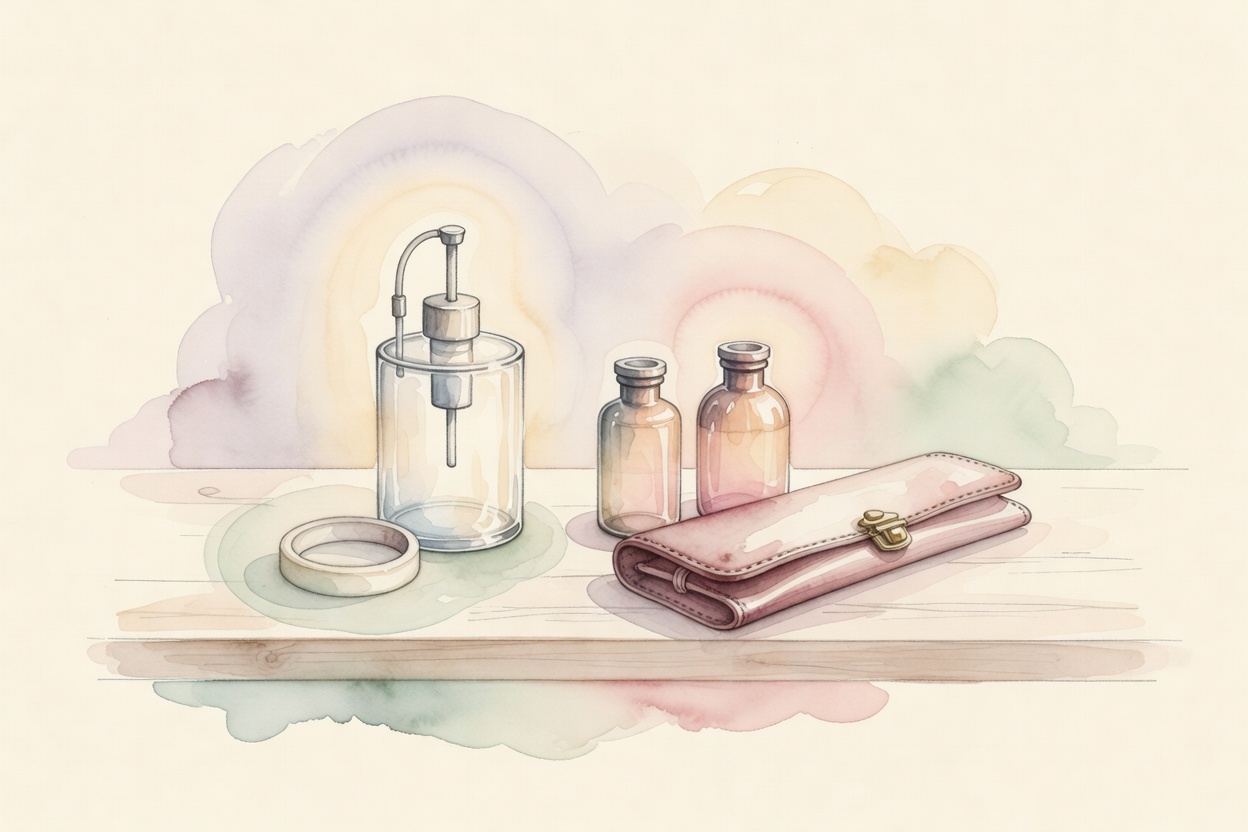
Medical treatment for erectile dysfunction
The phosphodiesterase type five inhibitors, the PDE5 inhibitors, are the first line: sildenafil, sold as Viagra, and tadalafil, sold as Cialis. They may never be combined with nitrates, because together they can drop blood pressure dangerously. When pills fail, papaverine, phentolamine and prostaglandins, alone or in combination, are injected directly into the erectile tissue, relaxing the smooth muscle without any nerve signal. Yet discontinuation rates can be as high as 60 percent. Injections have a special use in men recovering from surgery, to keep the erectile tissue healthy until the nerves recover.
Medication is the mainstay, but there are many approaches, each with specific advantages. A vacuum erection device draws blood in with a cylinder and pump and holds it with a ring at the base. A penile implant places inflatable cylinders inside the corpora cavernosa, worked from a small pump in the scrotum, or bendable rods. It is the definitive treatment, and because it is irreversible it comes last.
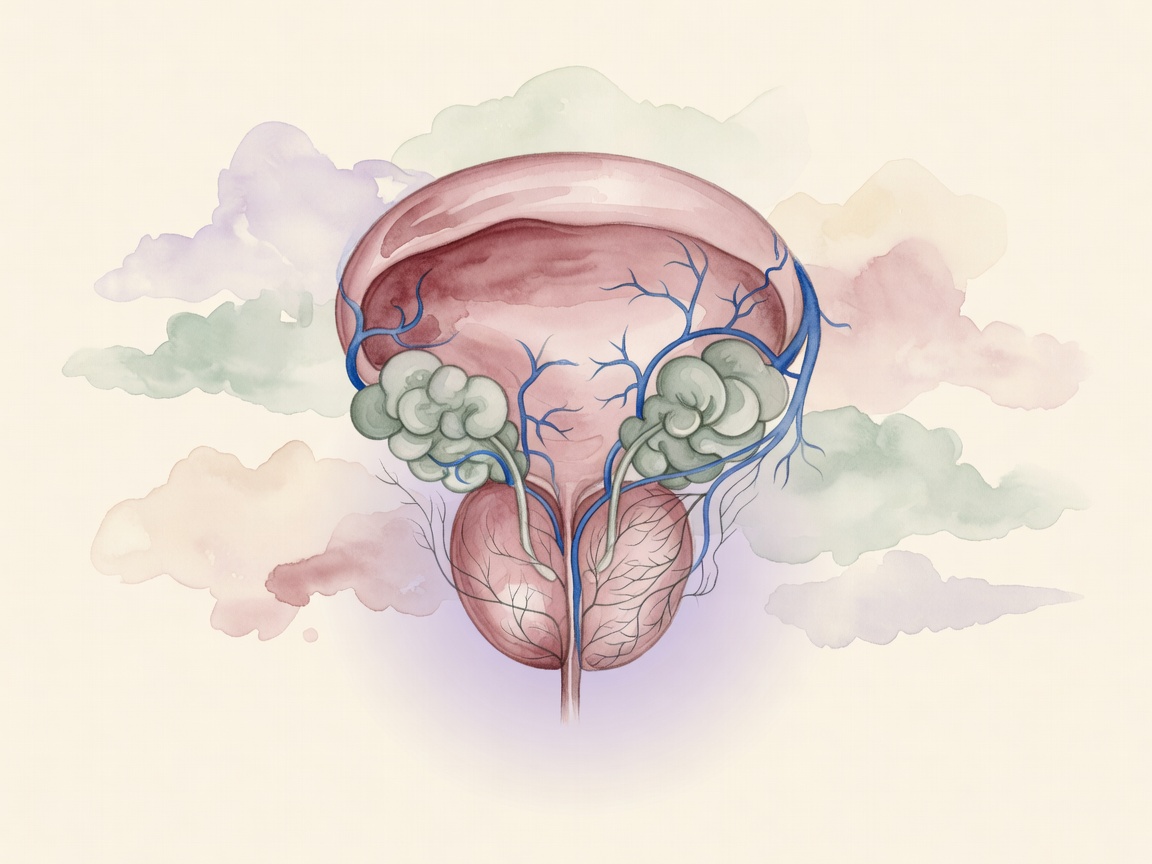
The prostate, and what intervention costs
The prostate generates about 20 percent of the volume of the ejaculate, carrying fluids, sugars and enzymes that support the sperm. It also converts testosterone into its biologically active form, dihydrotestosterone, DHT, through the enzyme five alpha reductase.
Intervention on the prostate is common, for the non-cancerous enlargement called benign prostatic hyperplasia, BPH, and for prostate cancer. The nerves that initiate the erectile cascade run along the surface of the gland, so intervention can damage them, and continence too. By the course's figure, 14 percent of men report new-onset erectile dysfunction after transurethral resection of the prostate, the TURP. And because the prostate and seminal vesicles together make nearly all of the ejaculate, and radical prostatectomy removes both, men ejaculate less after these procedures and not at all after radical prostatectomy.
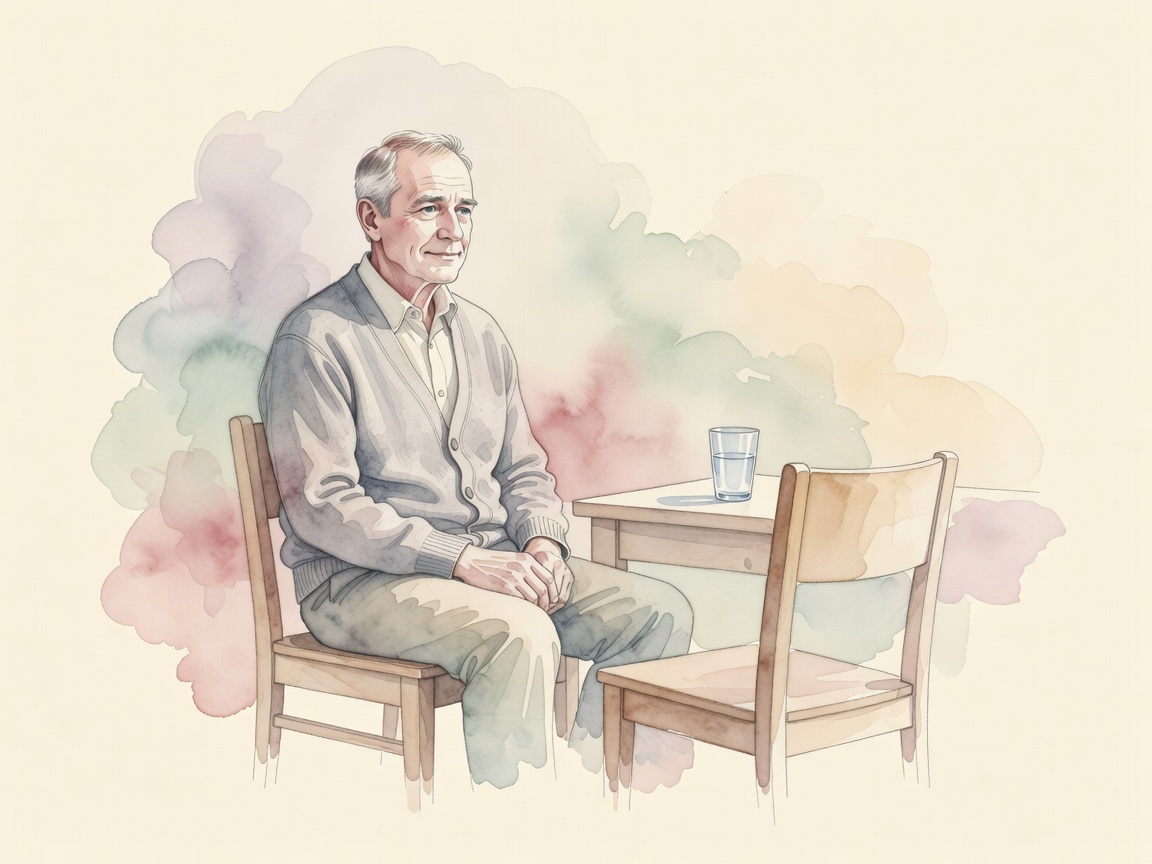
Prior planning, and why some men decline
The course's maxim is that prior planning prevents poor performance; its protocol follows. Before the procedure, start daily tadalafil at 5 to 10 milligrams; the labeled once-daily doses are 2.5 to 5 milligrams. Tadalafil is independently indicated for symptomatic BPH, and sustained blood flow through the erectile tissue is suggested to improve erectile function afterward. Then use treatment-dose vardenafil or sildenafil alongside the daily tadalafil, a combination the labels themselves advise against. If that fails, keep a low threshold for injection therapy or a vacuum pump.
Now the seminal vesicles, which make the majority of the seminal fluid. In some communities semen volume is read as a sign of satisfaction or prowess, so an intervention that reduces it can cut into quality of life. It may also be the unspoken reason a man loses interest in a treatment, or opts out altogether.
When a patient declines a treatment you know would help, what has he weighed that you have not yet asked about?
Hypogonadism and the 2018 AUA guidance
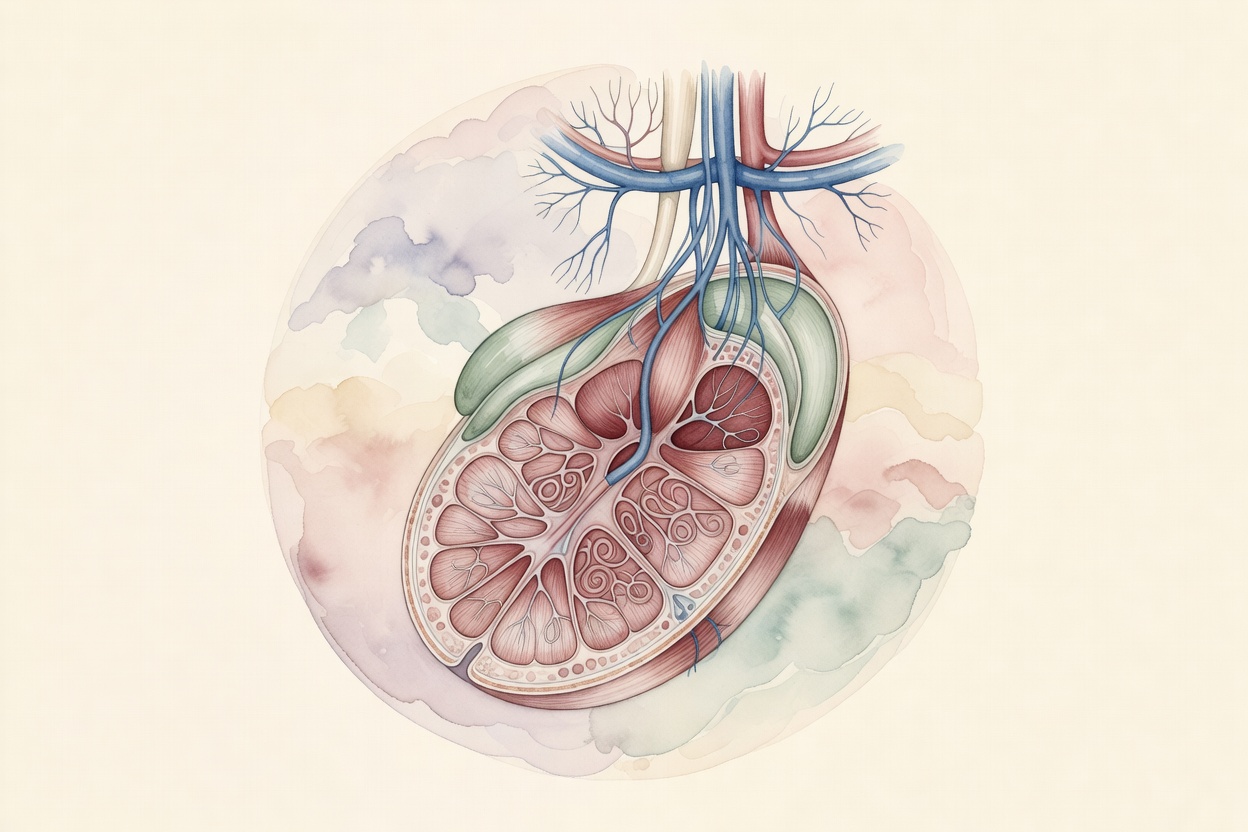
Hypogonadism is too little testosterone, whether the fault lies in the testes or in the signals that drive them. In 2018 the American Urological Association, the AUA, published new guidance. Diagnosis requires symptoms or signs together with a low total testosterone on two separate early-morning measurements, with 300 nanograms per deciliter as the cut-off. Treatment is testosterone in a variety of vehicles, and two facts demand care. Topical testosterone carries an FDA boxed warning for secondary exposure of children, and every testosterone product is a controlled substance, Schedule III in the United States. Quality documentation and a formal monitoring program are a must: a baseline PSA in men over 40, then repeat testosterone levels and hematocrit for polycythaemia every 6 to 12 months.
You must also screen for cardiac risk, especially in a patient newly presenting with erectile dysfunction, because that may be the first sign of arterial disease. And a patient who wants fertility should be counseled against exogenous testosterone: it switches off the pituitary signals that drive sperm production. For those men the guideline allows alternatives such as off-label clomiphene or human chorionic gonadotropin.
Premature ejaculation, defined and measured
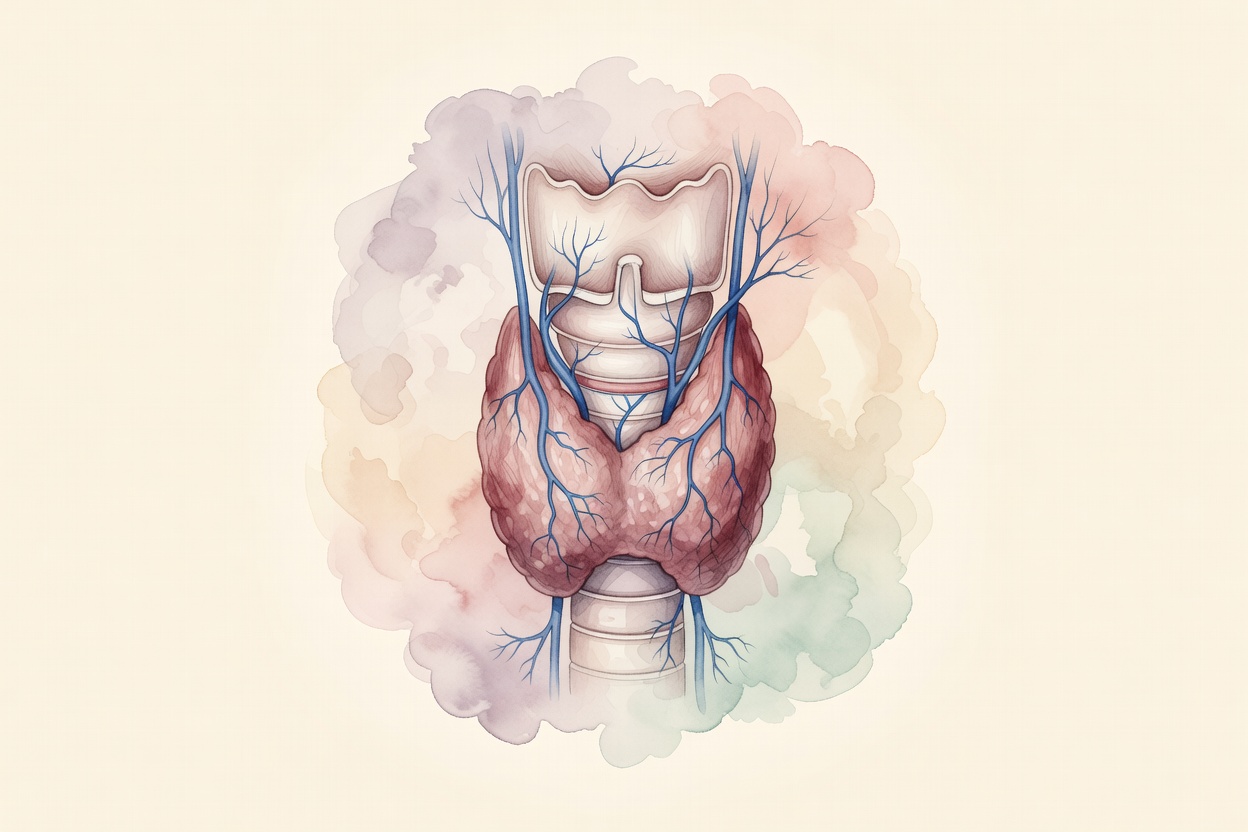
Premature ejaculation is recurrent ejaculation with minimal sexual stimulation, on or shortly before penetration, and before the person wishes. The functional definition adds ejaculation within 1 minute of penetration, and an inability to delay it that results in distress, frustration, or avoidance of intimacy. It can be lifelong or acquired, and the course notes it tends to be more common in younger men. If it is new in onset, rule out hyperthyroidism: in the key multicentre study, half the men with an overactive thyroid had premature ejaculation, falling to 15 percent once the thyroid was treated.
The course measures it with the Premature Ejaculation Diagnostic Tool, the PEDT: five questions on control, frequency, distress and partner difficulty, scored 0 to 20, with 11 or more suggesting the diagnosis. Then draw the curve for the patient. In a typical response, arousal climbs through a sustained plateau before orgasm; in premature ejaculation the curve rises almost vertically and the plateau is nearly absent. The goal is concrete: lengthen the plateau.
Premature ejaculation, what drives it and what helps
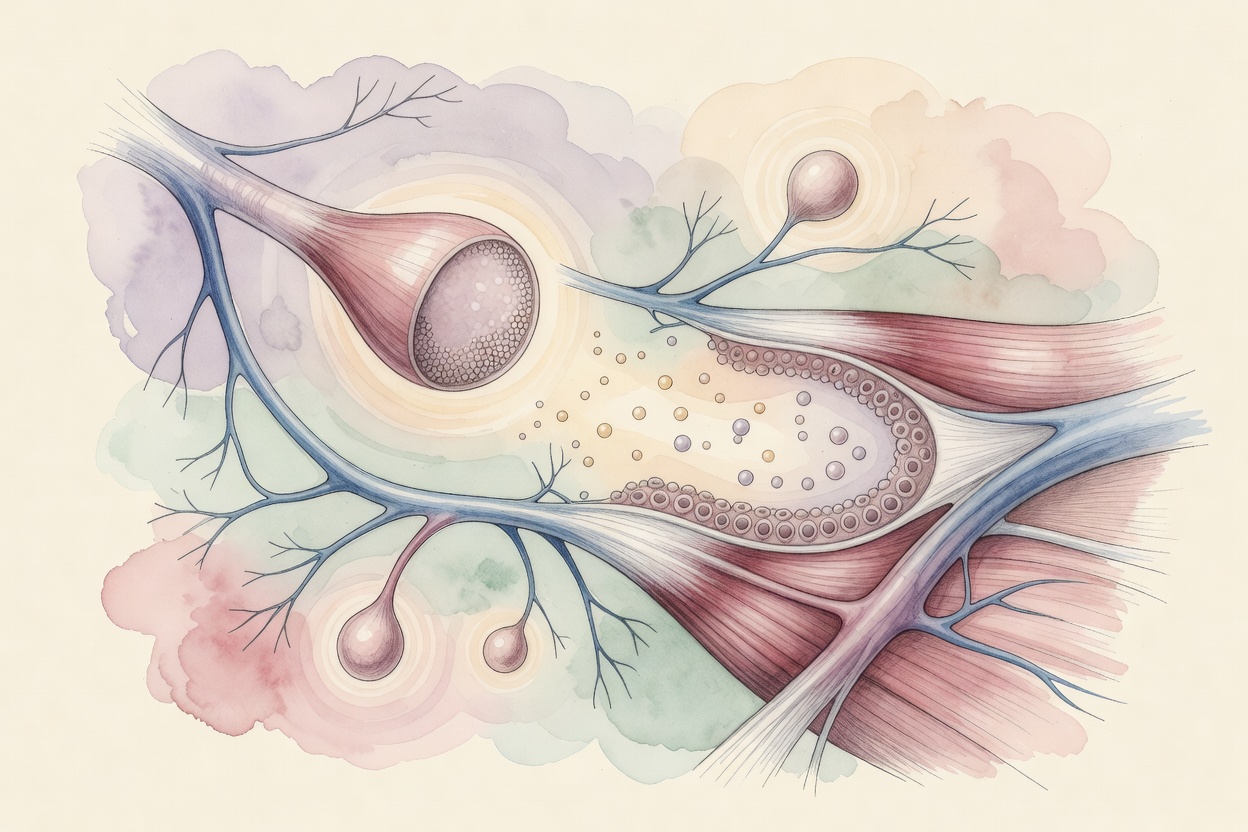
The pathophysiology is both neurochemical and behavioral. Behaviorally, it can be tied to performance fears, especially of losing erectile rigidity, so the man hurries. Erectile dysfunction alongside it is common. It can contribute to relationships ending: in one study 52 percent of partners reported difficulty reaching orgasm during intercourse, against about a quarter of controls. Neurochemically, there is evidence that men with lifelong premature ejaculation have increased sympathetic tone, and serotonin inhibits ejaculation.
SSRI antidepressants raise serotonin and can delay ejaculation, though they may suppress desire and are limited by side effects. Dapoxetine is an SSRI built for the purpose, approved in Europe but not in the United States, with an initial half-life of about 1.5 hours, taken on demand before sexual activity. Topical anesthetic must be applied, allowed to sit, then removed before sex to avoid exposing the partner. Behaviorally, sex-therapy exercises focus on lengthening the plateau; edging, approaching the point of inevitability and backing away, teaches the sensations he has been rushing past. And many couples gain most from counseling on non-penetrative pleasure, which takes the clock out of the room.
Delayed ejaculation, defined, and its causes
Delayed ejaculation sits at the other end of the curve: a persistent, recurrent delay in orgasm that the individual does not want. It is more common in older men, with prevalence estimates as high as 30 percent in aging males. Before diagnosing it you must rule out physiologic causes. It can be associated with an idiosyncratic pattern of self-stimulation, particular rituals, fantasies, equipment or learned behaviors, that is hard to replicate with a partner, and it is often situation-specific: delayed with a partner but normal alone.
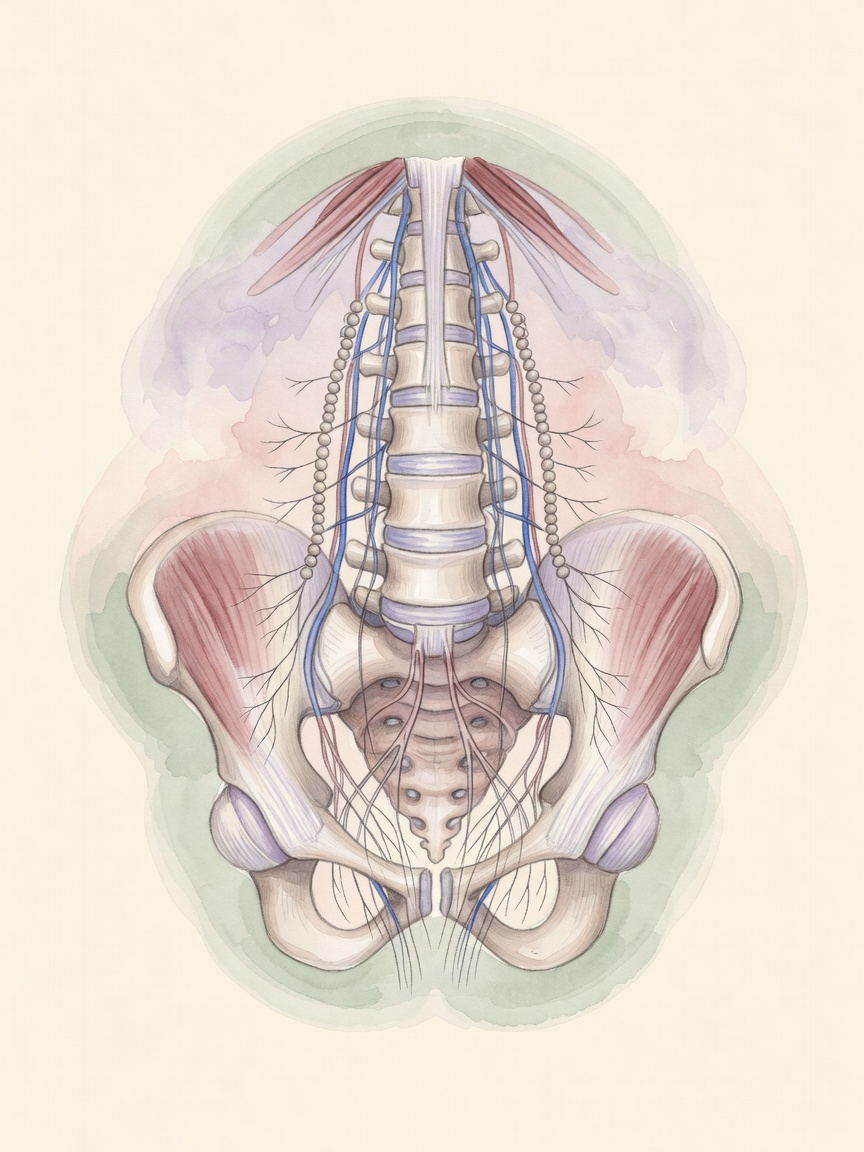
It co-occurs with diabetes, hypogonadism, hypothyroidism, retroperitoneal surgery, spinal injury and multiple sclerosis. And it occurs with medications: the SSRIs, which delay ejaculation wanted or not; antipsychotics, especially quetiapine, risperidone, sold as Risperdal, and haloperidol; and the tricyclic antidepressants, imipramine in particular. A medication review is the highest-yield first step.

Delayed ejaculation, culture, geometry and treatment
There is also a documented association with sexual shame, religious orthodoxy, body-image concerns, anxiety and relationship concerns. Enculturation shapes function: a man taught that pleasure is suspect may have learned not to let go. The course adds a word on what it calls lost penis syndrome: the decrease in stimulation some men describe when their partner's anatomy changes geometry, most often through childbirth. It can present as a man worried he has developed delayed ejaculation when what has changed is the fit between two bodies; the useful conversation includes the partner.
Treatment begins with sex and relationship therapy. The drugs rest on anecdote: amantadine at 100 milligrams taken 5 to 6 hours before sexual activity, pseudoephedrine, and intranasal oxytocin during sexual activity have each been reported to help. None is approved for this use. Set expectations honestly, and treat the couple.
Erectile dysfunction as an early warning for the heart
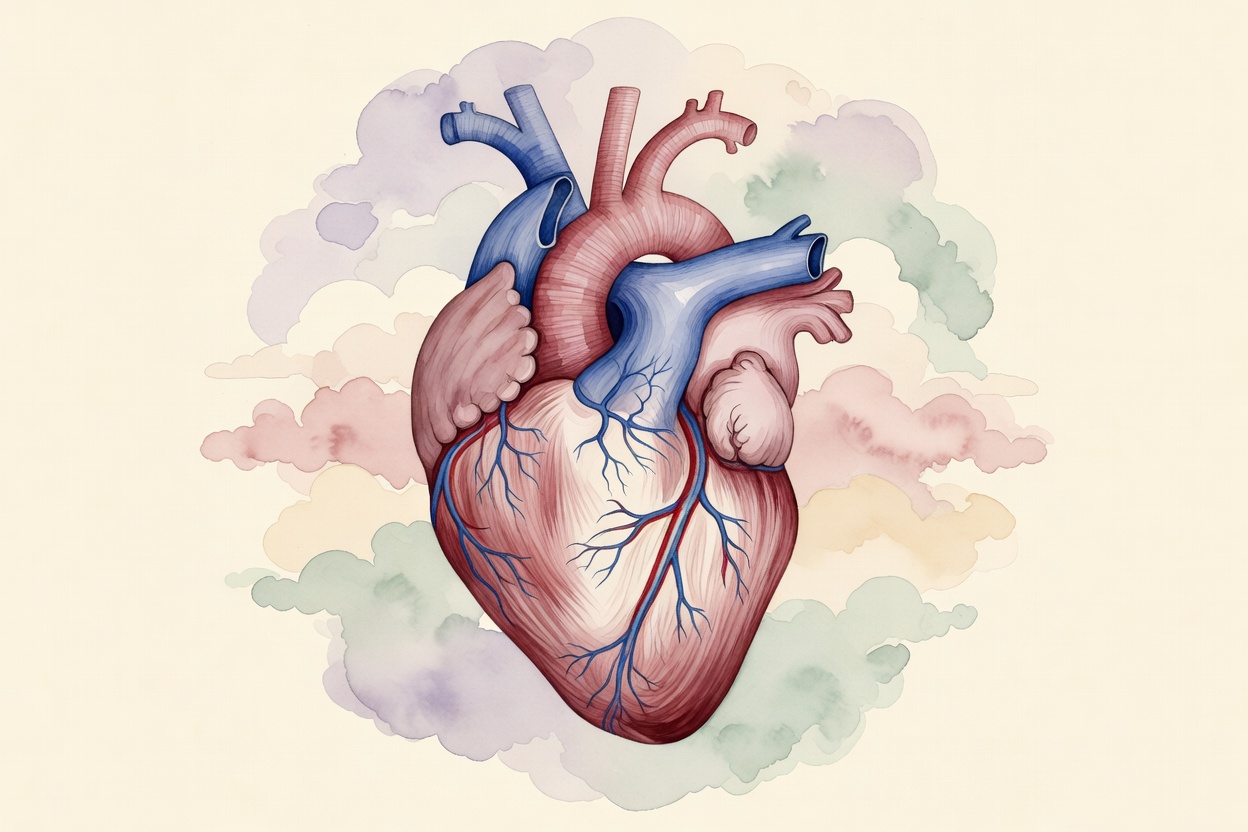
Cardiovascular disease is more common in men, and men with erectile dysfunction carry one and a half to two times the heart-attack risk of men without it. Erectile function depends on microvascular health, and atherosclerosis reaches the smallest vessels first: the penile arteries are 1 to 2 millimeters across, against 3 to 4 for the coronaries, so a plaque still silent in the heart is already symptomatic in the penis. Erectile dysfunction can be the first clinical sign of atherosclerotic disease, preceding coronary symptoms by two to five years, about three on average. So a man over 50 with erectile dysfunction and risk factors, diabetes and smoking especially, should be screened with cholesterol testing and potentially advanced cardiac screening. By the figures the course cites, erectile dysfunction is present in 67 percent of men with a history of heart attack and in 80 percent with peripheral vascular disease. The lecturer adds a note: why men carry more heart-attack risk than women is not known, and there is some evidence that higher testosterone raises cardiac risk in either sex, a consideration in trans men, though a large 2023 trial found no excess of cardiac events in hypogonadal men given testosterone.
What the testosterone-exposed system teaches
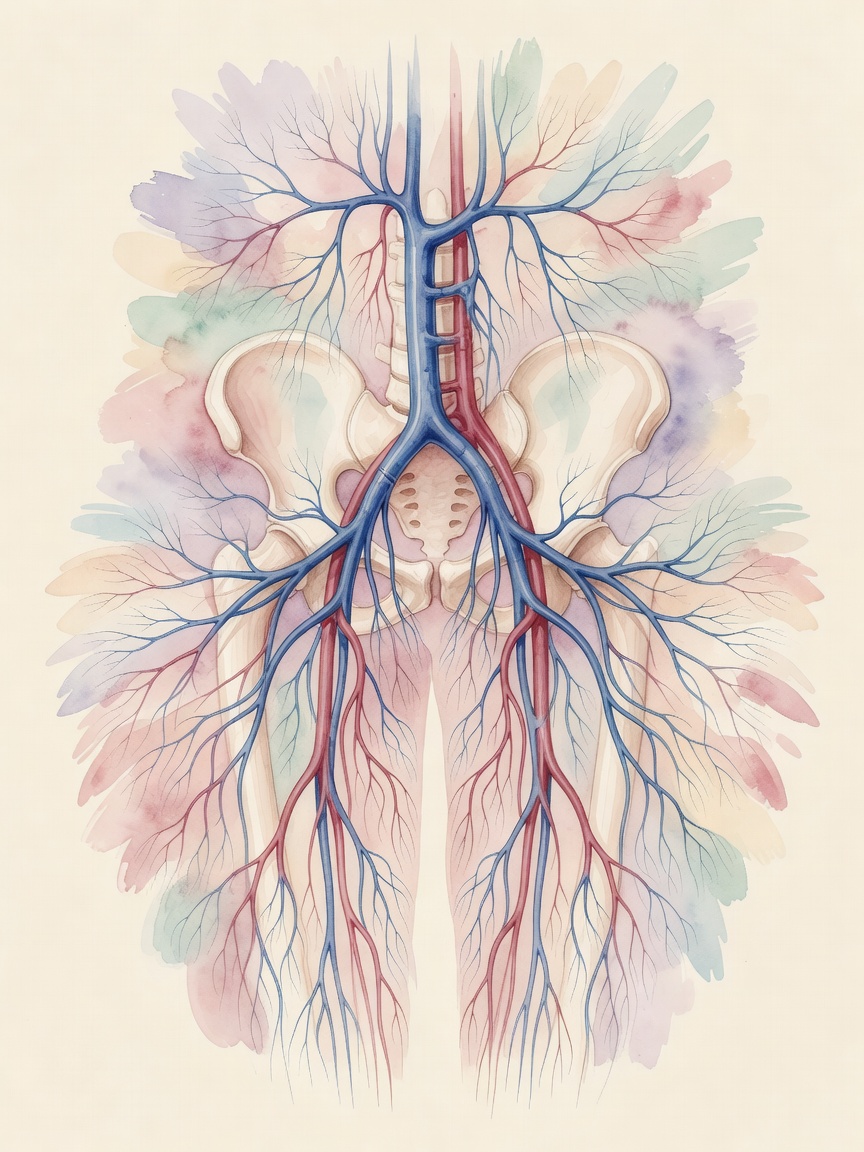
The infrastructure is three cylinders of erectile tissue, two glands that make the ejaculate, the nerves that run past them and the arteries that feed them. The maintenance is nightly and automatic, and worth protecting when surgery interrupts it. The failures are a scar in a sheath, a nerve bruised near a gland, a hormone that falls, a reflex that fires too soon or will not fire, and a narrowing vessel that announces itself here years before it does in the heart. In every case the treatment follows the physiology, and the conversation follows the person. That closes Foundations.
What if the differences we are trained to see are not the point, but the shared design underneath them is?
About this class
Source. These lectures are built from the course slide decks of Brittany Millard, MD, MPH, CSC, FECSM — course director at the Northwest Institute on Intimacy — and keep their order, objectives and clinical content. The narration expands the slides into spoken teaching in the series voice; the lecturer's own framings and clinical opinions are attributed to the course.
Checking. Every lecture script was adversarially fact-checked against primary sources before narration; corrections to the slides' own figures are recorded in each lecture's check notes: Lecture 1, Lecture 2, Lecture 3, Lecture 4.
Illustrations and narration are new (2026). The plates are painted in the series' Atlas of Tenderness style with xAI grok-imagine from scene descriptions — none of the decks' own images is reused. The narration is a three-voice performance with ElevenLabs (narrator: Matilda, the series voice; reflection prompts: Alice; quotations: George); the word-by-word read-along comes from the model's own timestamps. Scripted, illustrated and checked with Claude through the Scriptorium pipeline.
Educational use only. These lectures are clinician-facing continuing education. They are not treatment protocols and are not a substitute for supervision, training, or peer consultation.