Science and Culture
The history and methods of sexual research, and a peek at kink
Two lectures on how we know what we know: the historical record from carved figurines to the Kinsey era, the ethics failures that produced review boards and the Belmont Report, how study design and instruments can mislead, and who is still missing from the data; then a clinical introduction to kink, its theories, and the consent frameworks that make it safe.
🎧 Listen and follow along
Press play and each word lights up as it is spoken; the plate for the current slide stays beside the text. Tap any word to listen from there. Present turns the page into one slide per screen (arrow keys move between slides). Aa in the player changes the font, size, spacing and highlight colour. Your place is remembered on this device.
download the whole class (mp3, chapter marks)Contents
- Lecture 1The History and Methods of Sexual Research16 min · 16 slides
- Lecture 2A Peek at Kink11 min · 12 slides
The History and Methods of Sexual Research
How we know what we know, and the lens we look through
This is the first of two lectures in the class called Science and Culture. The historical record of human sexuality is primary source material: statuary, art, written records, and other objects that happened to survive. The earliest are paintings and carvings, some showing women with exaggerated vulvas and men with exaggerated phalluses, as old as 35,000 years. Proto-writing, the first glyphs, emerges around 3400 BCE. You can only interpret the material that has endured, and only through your own cultural lens. The lens is the instrument you look with, and it is never neutral.
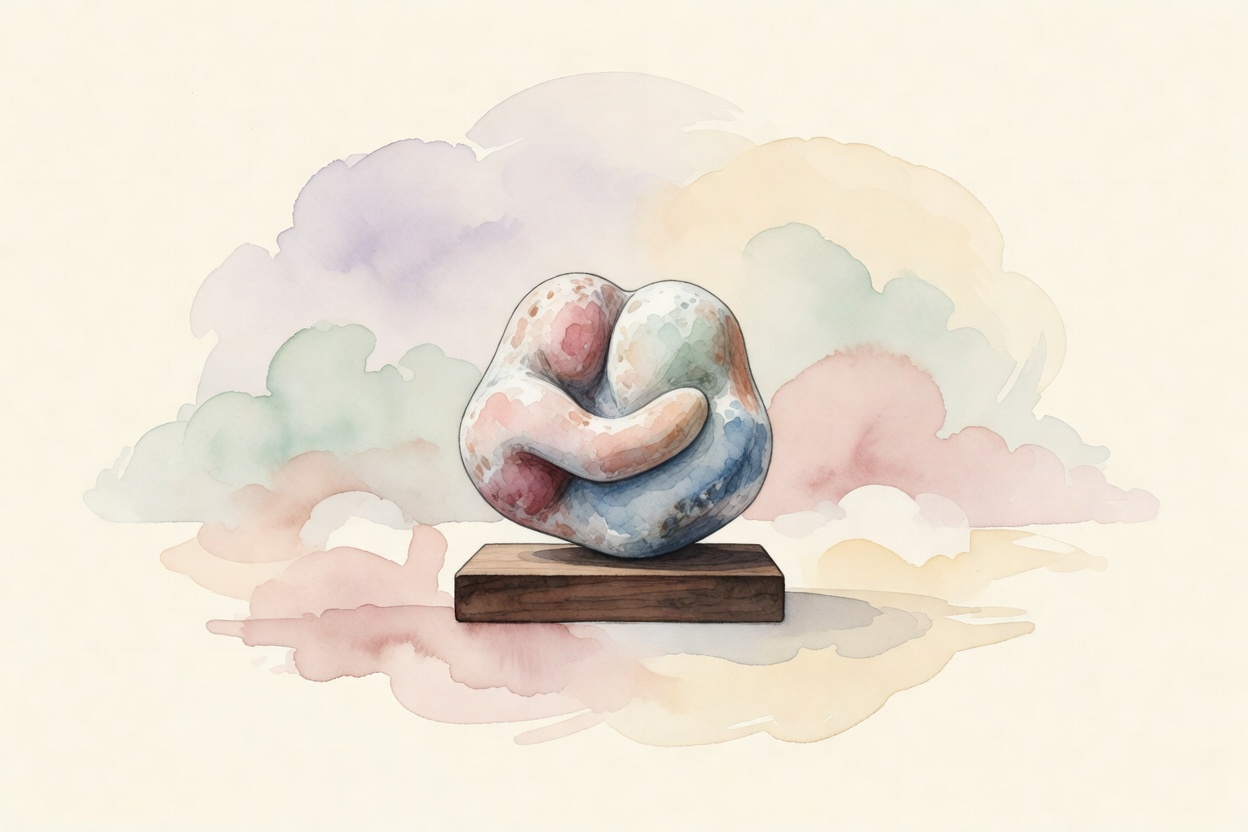
The Ain Sakhri lovers
One of the oldest known depictions of partnered sex is a small carved pebble from the Ain Sakhri caves near Bethlehem. It shows two faceless, genderless forms embracing, and sits today in the British Museum. It is estimated to be about 11,000 years old, carved around the time people first domesticated animals and plants. People have been having sex for the whole of human history, yet the oldest available record of a pair of lovers is this one carving. What it meant to its makers, you can only guess. Everything you know about historical sexuality rests on the materials that happened to last.
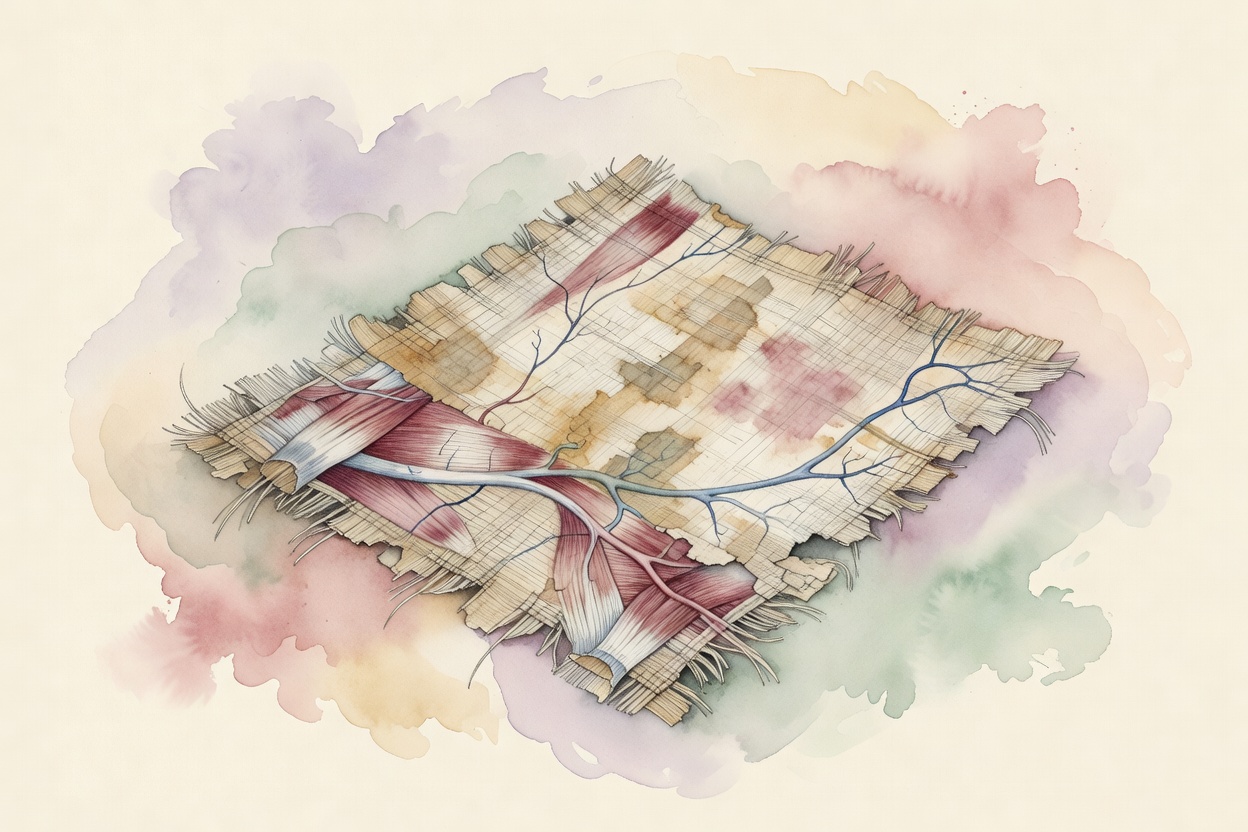
The Turin Erotic Papyrus
The Turin Erotic Papyrus dates from the Ramesside period, between 1292 and 1075 BCE, and is held in the Egyptian Museum in Turin. It survives only as fragments, and it is explicit in a way the carving is not: a dozen scenes of partnered sex, beside a section of animals parodying human life, which the museum reads as comedy. The lesson is in the word fragments. You are reading a damaged document, reassembled, from a culture whose humor you can only partly reconstruct. What looks like instruction may have been comedy, or both at once.

The Kama Sutra, and what it is actually about
The Kama Sutra was composed by Vatsyayana Mallanaga, an upper-class man, most likely in the third century CE; the course dates it to 400 to 200 BCE, earlier than most scholars place it. Popular culture remembers it as a manual of positions; it is in fact a text on how to obtain a partner, how to keep a primary partner, and how to manage additional partners, including courtesans. It runs to seven books, and only one is devoted to the performance of sex acts. Contrary to popular belief, it is unrelated to Tantra. The first English translation, Richard Burton's of 1883, stood as the record for more than a century, until Wendy Doniger and Sudhir Kakar's 2002 translation corrected many of its errors. Even a text that survived whole reached you through a translator's lens.

Shunga, in Japan
Shunga are Japanese erotic pictures, made from roughly the 1300s to the 1900s and most familiar today as the woodblock prints of the Edo period. They show a variety of sexual acts with a variety of partners. Their precise purpose is not known; some have proposed that they were instructive as well as libidinous. Many shunga show people partly clothed, because public bathing in Japan connected full nudity with the bath, so partial undress came to read as the more erotic state. A convention that looks like modesty to you meant the opposite to its audience.

History is written by those who can afford to write it
The deck heads this slide with a line attributed to Winston Churchill, probably apocryphally.
History will be kind to me, for I intend to write it.
History is recorded by people with the education, the resources, and the free time to do so, and that alone biases the record in favor of privilege. Those who were marginalized, silenced, or killed depend on the voices of people with greater privilege to represent them, and even the most faithful attempt may fail to capture the essence of their experience. The historical record of sexuality is not a record of how people lived. It is a record of what the literate and the leisured chose to preserve.
For the rest of this history, ask whose sexuality was being described, and who held the pen.
Sex becomes a science, and the first pioneers
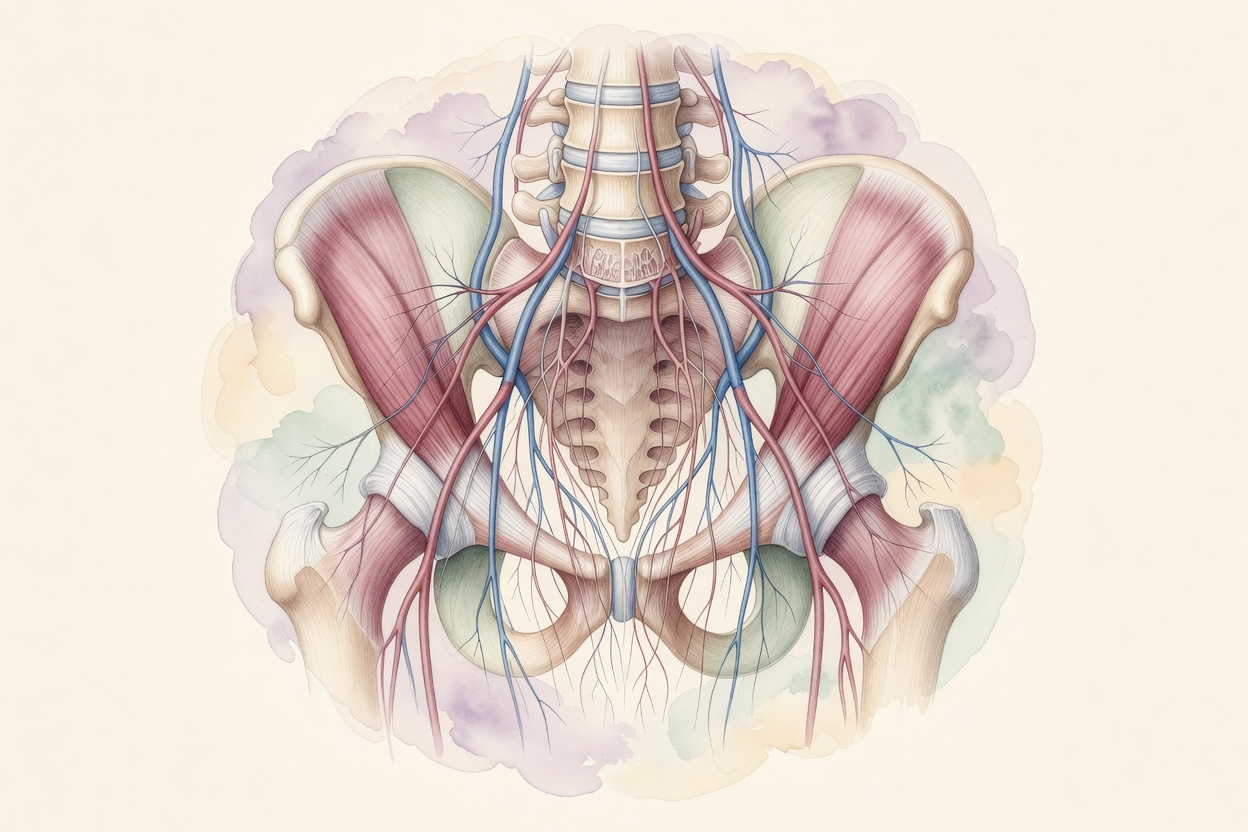
There is surprisingly little attempt to medicalize sex until Europe in the 1700s. Around 1712 an anonymous author published a pamphlet on the heinous sin of self-pollution and the health harms said to follow from masturbation, known as Onania. It opened an era, which persists today, of anti-masturbation messaging and medical interventions to that end, and the data collected served to document the effectiveness of anti-sexuality measures. The earlier record is mostly descriptive or aspirational; from the 1700s, sexuality enters the medical literature with an overwhelmingly anti-pleasure approach.
Three pioneers of the next century change the question. Paolo Mantegazza, in Italy, 1831 to 1910, a professor of pathology and later of anthropology, wrote broadly on sexual behavior, including women's sexuality and masturbation, and called the subject the science of embraces. Conrad Eckhard, in Germany, 1822 to 1905, a physiologist, identified the pelvic nerves that drive erection. And Richard Freiherr von Krafft-Ebing, 1840 to 1902, a psychiatrist working in Austria, wrote Psychopathia Sexualis, discussed female orgasm and pleasure, and late in life revised his view of homosexuality, concluding that it was not a disease.

Magnus Hirschfeld and the Institute in Berlin
Magnus Hirschfeld was a German physician, born in 1868. He was one of the first activists for sexual rights, advocating for sexual minorities including homosexual and transgender people. He was Jewish, and himself a gay man. He was deeply affected by the 1895 trial of Oscar Wilde, sentenced to two years of hard labor for homosexual acts, and he adopted the motto through science to justice, acceptance won by research. He made many attempts to bring sexuality into mainstream discussion, and the course notes that this visibility often fed the homophobic and antisemitic narrative of the times. In 1919 he founded the Institute for Sexual Science in Berlin, which provided medical intervention, including gender-affirming treatment, and educational resources. The Nazis destroyed it in 1933. He died of a heart attack in Nice, in France, in 1935. His partner Li Shiu Tong, also known as Tao Li, survived him and lived the rest of his life in obscurity, dying in Vancouver in 1993. Remember the shape of this story: knowledge built by a marginalized person about marginalized people, and erased by force.
The American boom of the 1940s
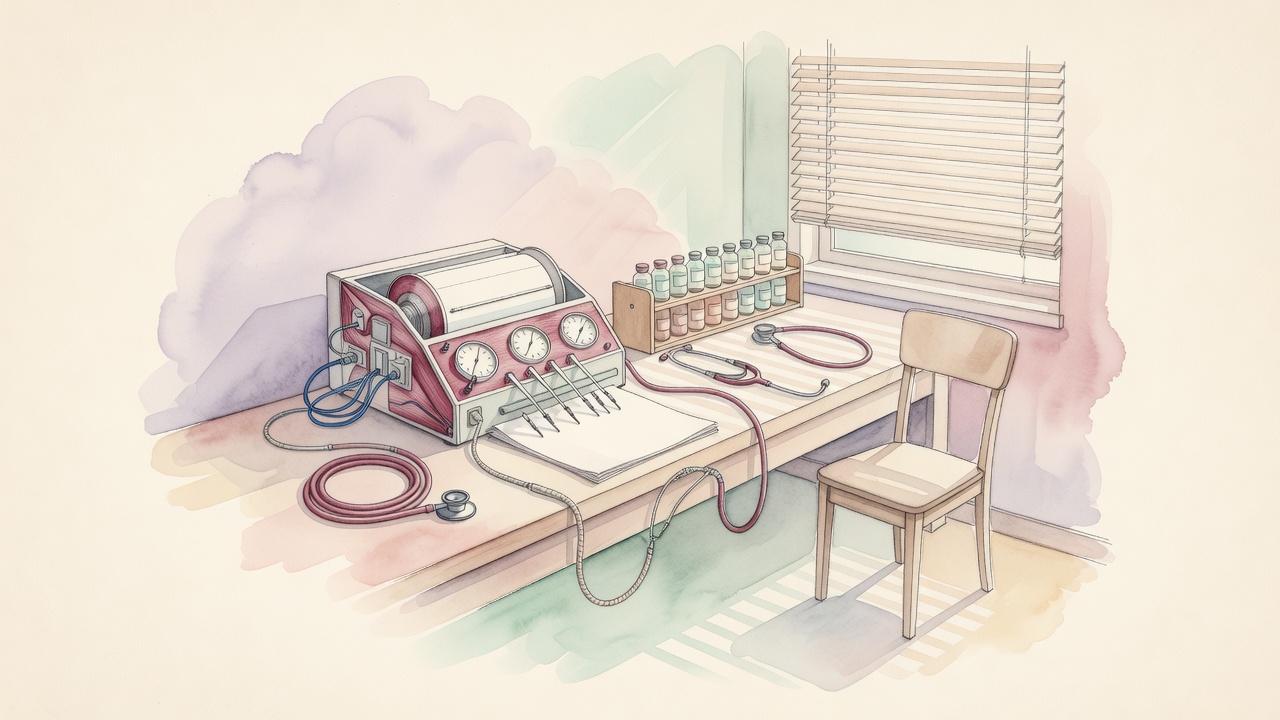
Alfred Kinsey, 1894 to 1956, conducted quantitative and epidemiological studies of sex in the United States and challenged the taboos on sexual expression. William Howell Masters, 1915 to 2001, and Virginia Eshelman Johnson, 1925 to 2013, worked on the physiology of sexual response, including in the elderly. Their lives were sensationalized in the 2004 film Kinsey and the television series Masters of Sex, which ended in 2016. Kinsey's data came from more than 18,000 face-to-face interviews; Masters and Johnson went further and watched. Masters and Johnson directly observed sexual response with physiological measurement: electrocardiography, electroencephalography, and color cinematography, across more than 10,000 sexual response cycles in 382 women and 312 men. For the first time the body's sexual response was measured rather than reported.
Tuskegee
The same decades hold the field's gravest ethical failure. The Tuskegee syphilis study started in 1932 and enrolled 600 African American men. By 1947 penicillin had become the standard treatment for syphilis. It was withheld from the participants. The study did not close until 1972, when reporting by the Associated Press brought it into public view. Forty of the participants' wives were infected along the way, and nineteen children were born with congenital syphilis. Men were allowed to carry a treatable sexually transmitted infection for 25 years so that researchers could watch what it did.
Review boards and the Belmont Report
Institutional review boards, the committees that must approve human research before it begins, were established to hold researchers accountable for their methods and to ensure the experience of the participant was considered. Their legal footing is the National Research Act of 1974. Note what they did not do: produce equitable representation of groups in research samples.
The Belmont Report of 1979 set out three principles. The first is respect for persons: autonomy, informed consent as mandatory for research, and extra protection for those with diminished autonomy, which the federal regulations spell out for pregnant women, prisoners, and children. The second is beneficence: assess risk and benefit, and maximize benefit to participants. The third is justice: equitable selection of research subjects, and specifically the inclusion of people in research, not only their protection from it. Hold that third principle up against the second half of this lecture, because it is the one the field has found hardest to honor.
What the field is studying now
Clinical trials in the United States are generally registered on ClinicalTrials.gov, and the course's review of active studies in sexuality shows a handful of themes. Researchers are investigating a reported increase in celibacy, studying diverse relationship structures including kink and polyamory, examining how trauma shapes sexual behavior, and updating clinical recommendations and research models away from systems that advantage the male gender. Keep that last theme in mind; it is the hinge between this history and the methods that follow.
The science of science, and the hierarchy of evidence
The deck opens its second half with a cartoon about someone about to try science, and the point under it is that every method can fail. There are four places to look: study type, population selection, the instruments used to collect data, and the statistical analysis.
Start with study type. You were probably taught a hierarchy of evidence drawn as a pyramid: expert opinion and case reports at the base, then case series, case-control and cohort studies, then the randomized controlled trial, and at the apex the systematic review and meta-analysis. The course asks you to see what this paradigm costs. It tends to silence minority voices, because it is difficult to recruit and prospectively plan a study for a minority group, and it reduces the impact of narrative.
Inclusion criteria, and who gets through the door
Population selection is a problem of definitions. Eligibility forms offer few options, often only male or female for sex, with unclear delineations between categories, and they exclude many people. Ultimately the study author decides whether an individual is eligible, based on external criteria and not necessarily the person's own stated identity. Where and how participants are recruited also shapes results. Before you apply a study's findings to the person in front of you, ask who would have been allowed in.

Validating the instrument
To use a questionnaire to measure something, it must have been validated: tested in the specific population you intend to use it for. Validation checks that the wording and order of the questions do not unfairly influence the responder, and it catches cultural differences that make a screening tool perform poorly. Many sexual health screening tools were written for cisgender heterosexual people and may not be scientifically appropriate for minority sexualities. Two examples. The first is from the International Index of Erectile Function.
Over the past four weeks, when you had erections with sexual stimulation, how often were your erections hard enough for penetration?
The second is from the Male Sexual Health Questionnaire.
In the last month, how would you rate the amount or volume of semen when you ejaculate?
Consider how these land for a gay man. His likelihood of endorsing bother on these items can be higher than a heterosexual man's, because of cultural beliefs about ejaculatory volume, and because the rigidity needed for penetrative anal intercourse is greater than for vaginal intercourse. The same score does not mean the same thing in a population the tool was never tested in.
How the data can lie, and who is still missing
At the analysis, the course names six kinds of statistical bias. Selection bias means your sample was not random. Survivorship bias means the people who did not complete data collection left for a reason you never captured. Omitted variable bias means an important variable was left out, common when many conditions act at once. Recall bias means relying on the memory and subjective experience of the subject. Observer bias means the observer skews the result through how they interpret or record subjective criteria. And funding bias means only funded studies get performed, so results may support the views or goals of the financial sponsor.
Then ask who is not in the data at all. Equity in research, the course says, is not quite here yet. Some populations are actively excluded, because only patients who feel safe enough to access traditional medical resources will be represented in scientific inquiry. Others are passively excluded, by enrollment forms that offer only male or female, by criteria that exclude people on certain medications, and by recruiting in areas with low diversity. The field is moving away from male-advantaging models, and the data it rests on still comes from the people who got through the door.
Think of the last clinical recommendation you gave on a sexual health question. Who was in the study it came from, and who was never asked?
A Peek at Kink
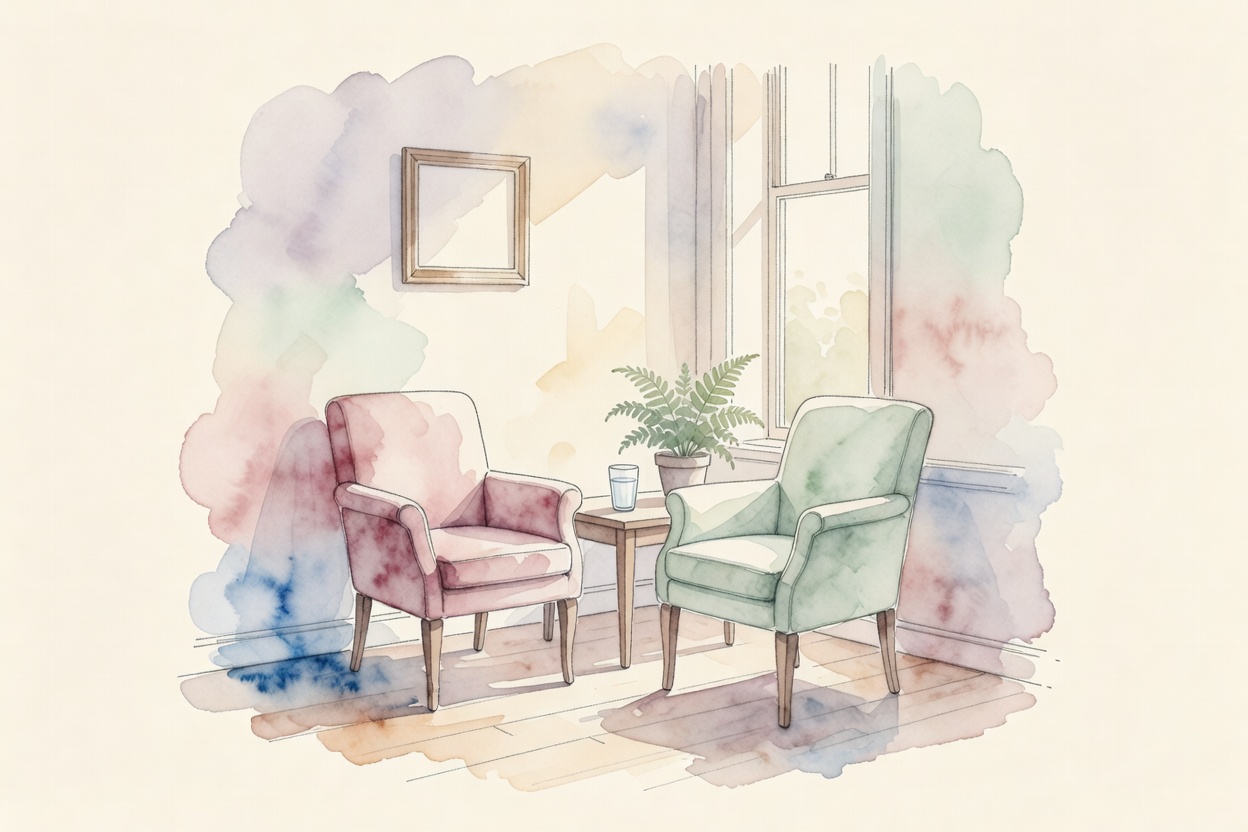
A peek, not a survey, and why a clinician needs one
This is the second and last lecture of Science and Culture. The first asked how we know what we know about sexuality, and who is missing from the record. This one takes a brief clinical look at a part of sexual life clinicians are rarely taught about and often asked about: kink. The course director, a sexual-medicine physician, calls it a peek for a reason. You are not being trained to counsel in kink, but given enough vocabulary, theory and consent framework to do three things well: not pathologize a patient who tells you about it, ask good questions, and recognize consent when you hear it, and its absence when you do not.
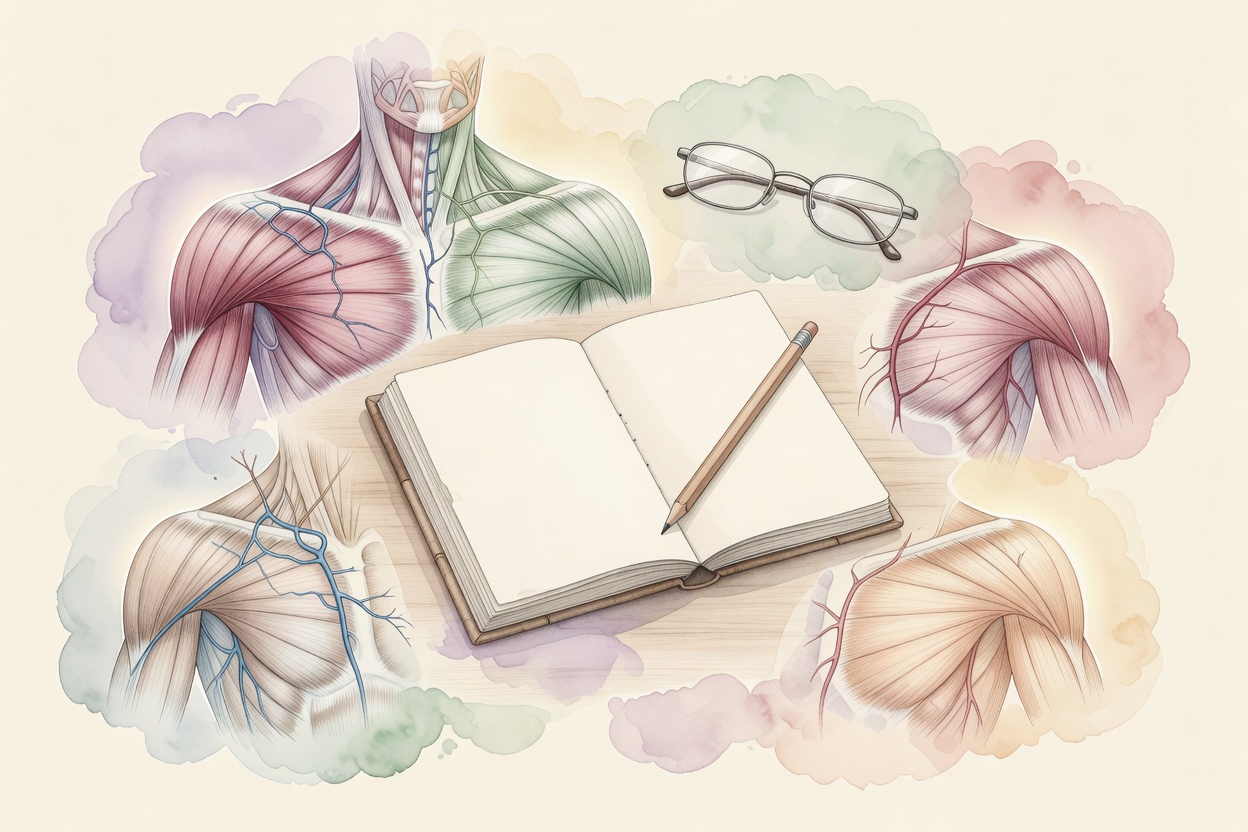
Four things this lecture sets out to do
The objectives are plain. First, to introduce the term kink and the two words that travel with it, vanilla and fetish. Second, to discuss a few of the most popularized forms, named at the level a clinician needs and no further. Third, to introduce the theory and science of kink, such as it is: one striking idea about the brain, and a more ordinary account from learning theory. Fourth, to emphasize the necessary role of consent, which is where the clinical work lives. The first three are context. Consent is the content.

Kink, defined mostly by what it is not
The course is candid that kink is defined mostly by what it is not. Its working definition is given in quotation marks and unattributed:
Any sexual interest, practice, or concept of fantasy that lies outside of conventional sex.
Notice what that does not say: which interests, how far outside, or who decides what conventional means. The course says this leaves significant interpretive space, and it does; conventional is a cultural word, and it moves. One more point shapes how you talk to patients. Some people regard their kink as a preference, something enjoyed that could be set aside. Others regard it as an orientation, a stable part of who they are, closer to identity than taste. The course offers both without choosing, and neither is yours to assign. Use the one the patient uses.
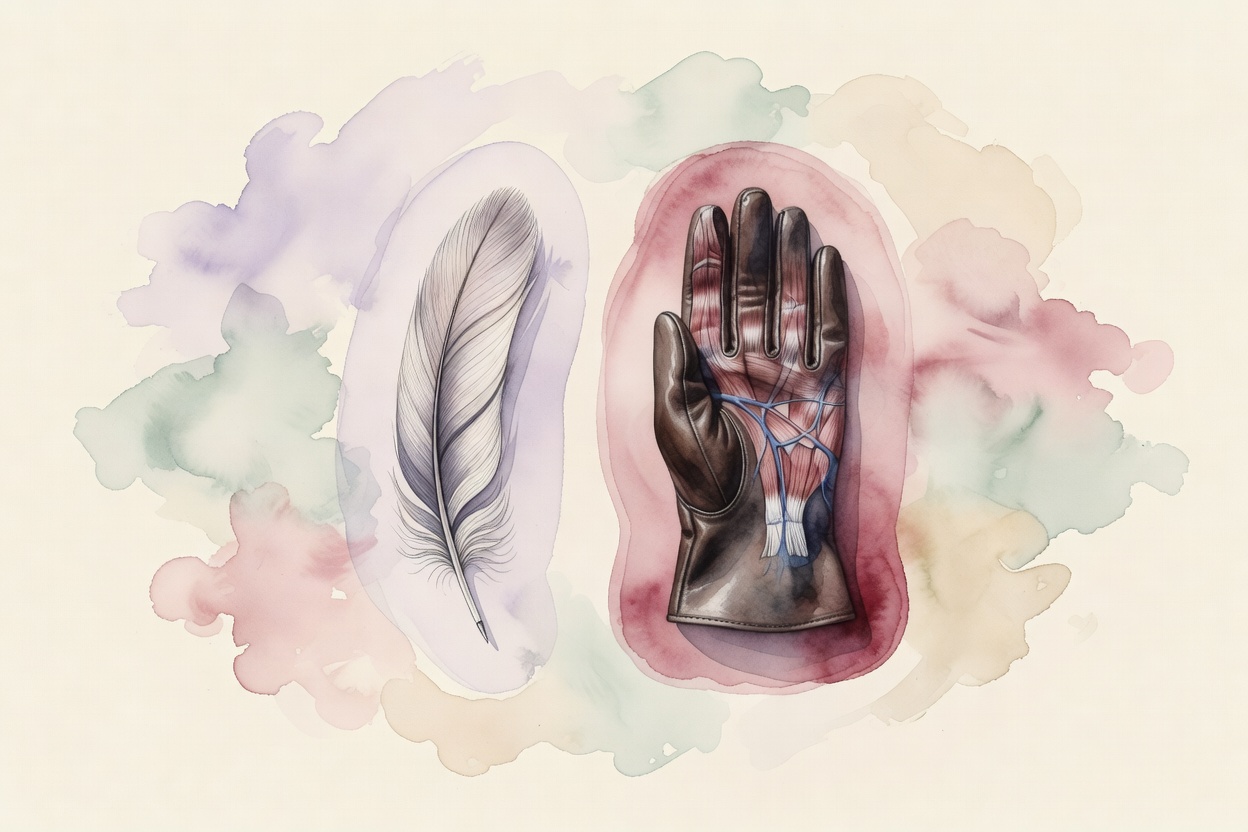
Two more words: vanilla, and fetish
Vanilla is the community's word for conventional sex, descriptive rather than dismissive. Fetish is the more loaded term, and the course defines it carefully: a sexual concept or action considered necessary for peak sexual experience, or, for some people, for any sexual satisfaction at all. The weight is on necessary. A kink is something a person wants; a fetish is something a person finds they need. That echoes the line the Diagnostic and Statistical Manual now draws: the DSM-5 separates a paraphilia, an atypical sexual interest, from a paraphilic disorder, which requires that the interest cause distress or impairment, or involve harm or risk of harm to others. An interest alone is not a diagnosis. Hold that line; your patients have usually been taught the opposite.
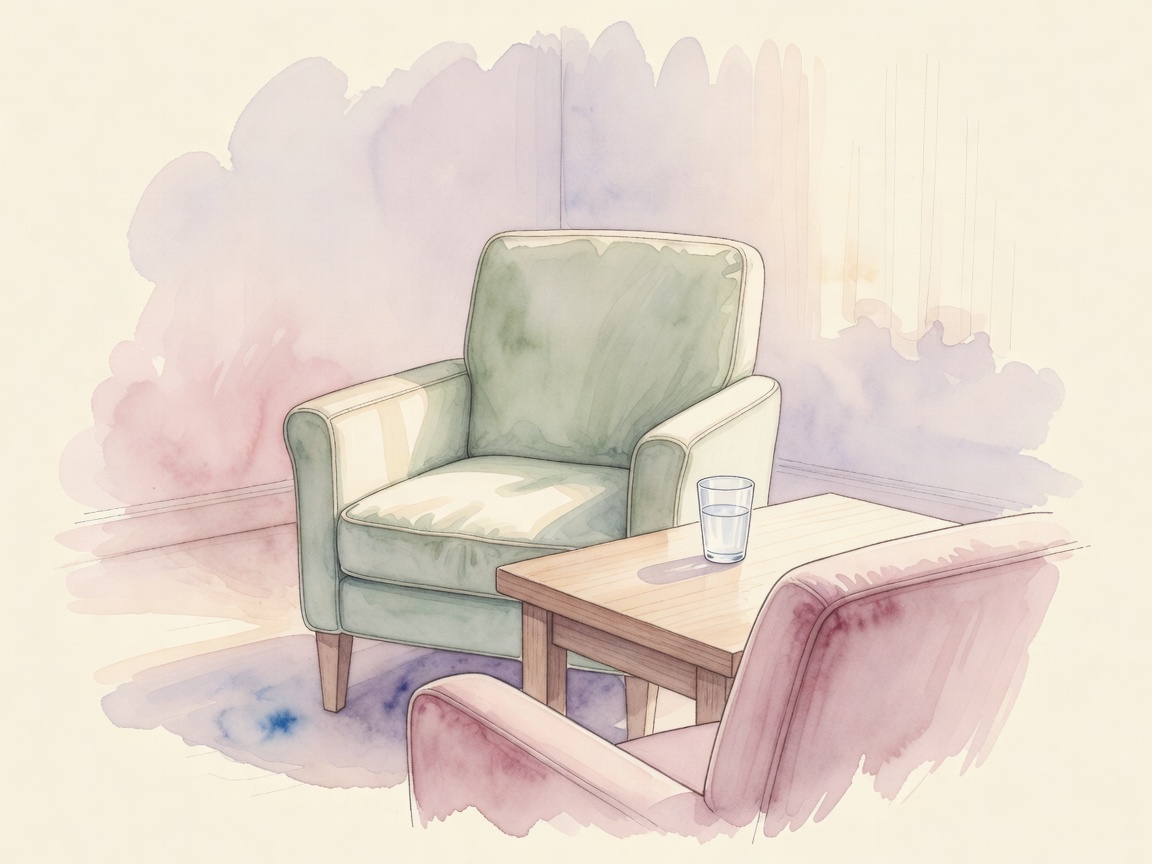
The handful of forms the course names
The course lists five common kinks and five common fetishes, named here exactly as the course names them, and no further. The kinks: submission and masochism; dominance and sadism; body fluids; objects or a specific body part; and taboo-behavior role play. The fetishes: shoes and feet; balloons; uniforms; leather; and piercings. That is the whole list. You need the details of none of them to take a history. What you need is to hear the word without a change in your face. A clinician who flinches at a name teaches the patient, in one second, that the rest of the story is unwelcome.
An interesting theory about feet
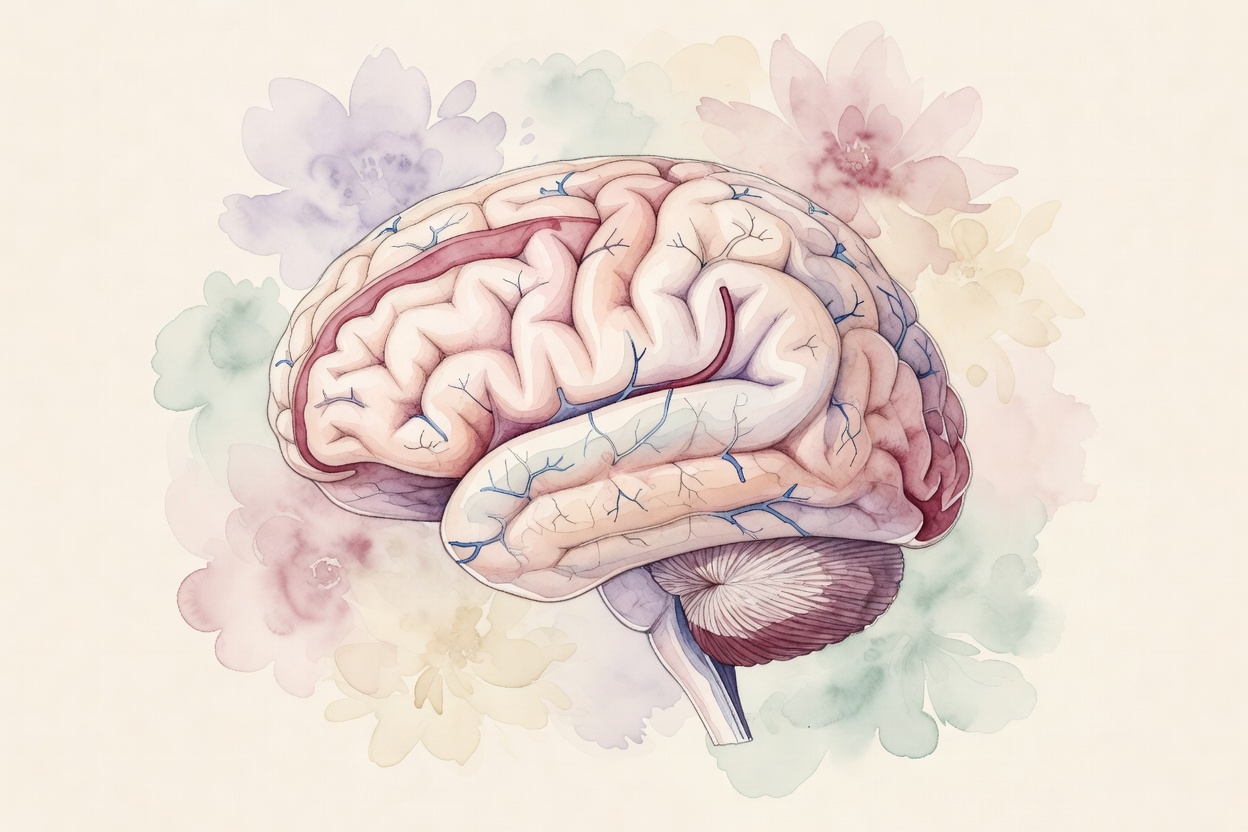
One item on that list comes with an interesting theory. The body is mapped onto the somatosensory cortex, the strip just behind the central sulcus that receives touch, and the map is not quite in body order. In the classic map, the feet lie at the top of the strip, where it folds into the midline, immediately adjacent to the genitals. Some theorize that this geographic interspersion of neurons may cause signals to cross, so that touch in one territory is felt, faintly, in the other. The map is the somatosensory homunculus, first charted in the 1930s by the neurosurgeon Wilder Penfield by stimulating the exposed cortex of awake surgical patients; the foot idea is usually traced to the neuroscientist Vilayanur Ramachandran. The course presents it as a theory, and so should you: elegant, unproven, unsupported by the one large survey that has tested it, and a reminder that a sexual interest may have an anatomical story that is nobody's fault.
Where a kink comes from: conditioning and origin stories
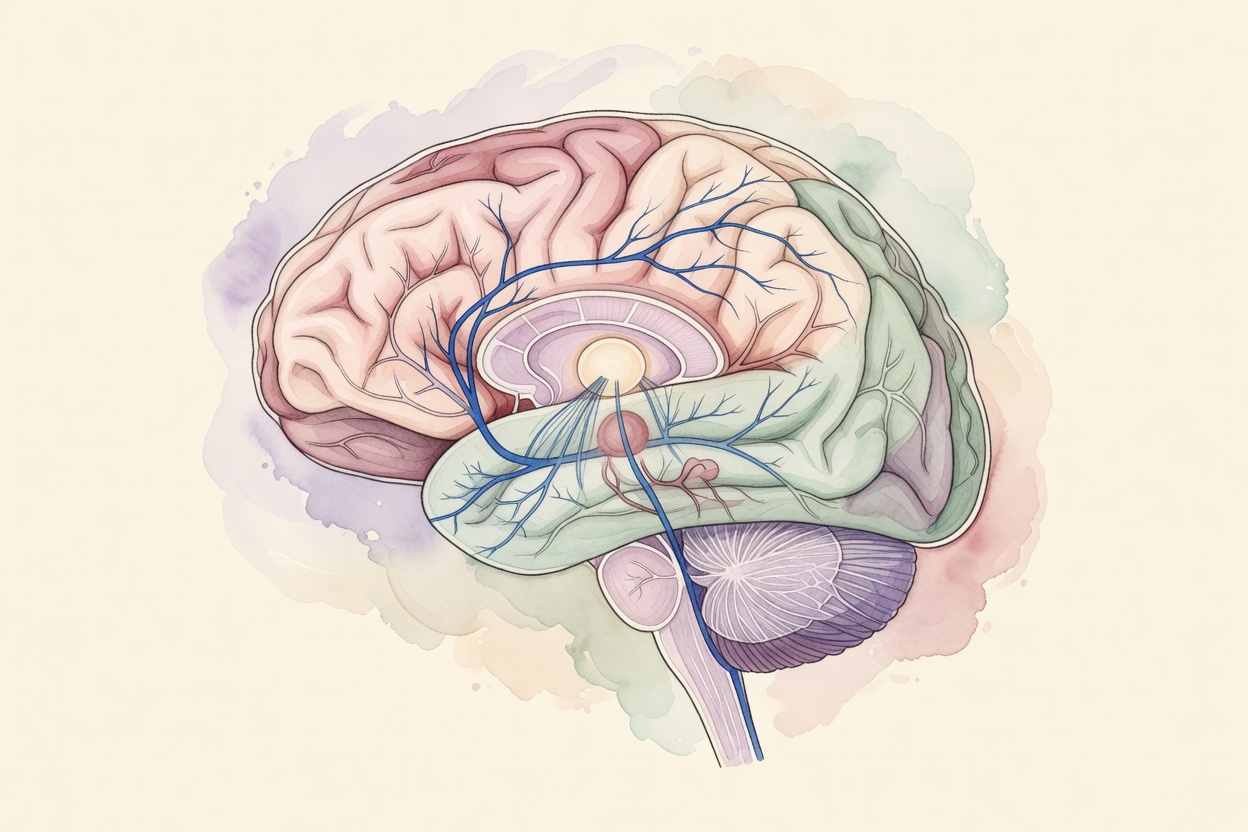
More broadly, the course says most people consider kinks to be conditioned: the pairing of important formative sexual experiences, and the arousal that went with them, with a non-conventional input, whatever happened to be present while arousal was being learned. The brain's reward circuitry, the dopamine pathway from the midbrain to the nucleus accumbens, is thought to be what stamps such pairings in. Many people in the kink community can share a kink origin story, the moment the pairing was made. You may hear one if you ask gently; treat it as the patient's own account, not as a finding. Not everyone has one; a missing story is not a mystery to solve, and a present one is not a wound to treat unless the patient says it is.
Safe, sane and consensual, and the risk-aware model
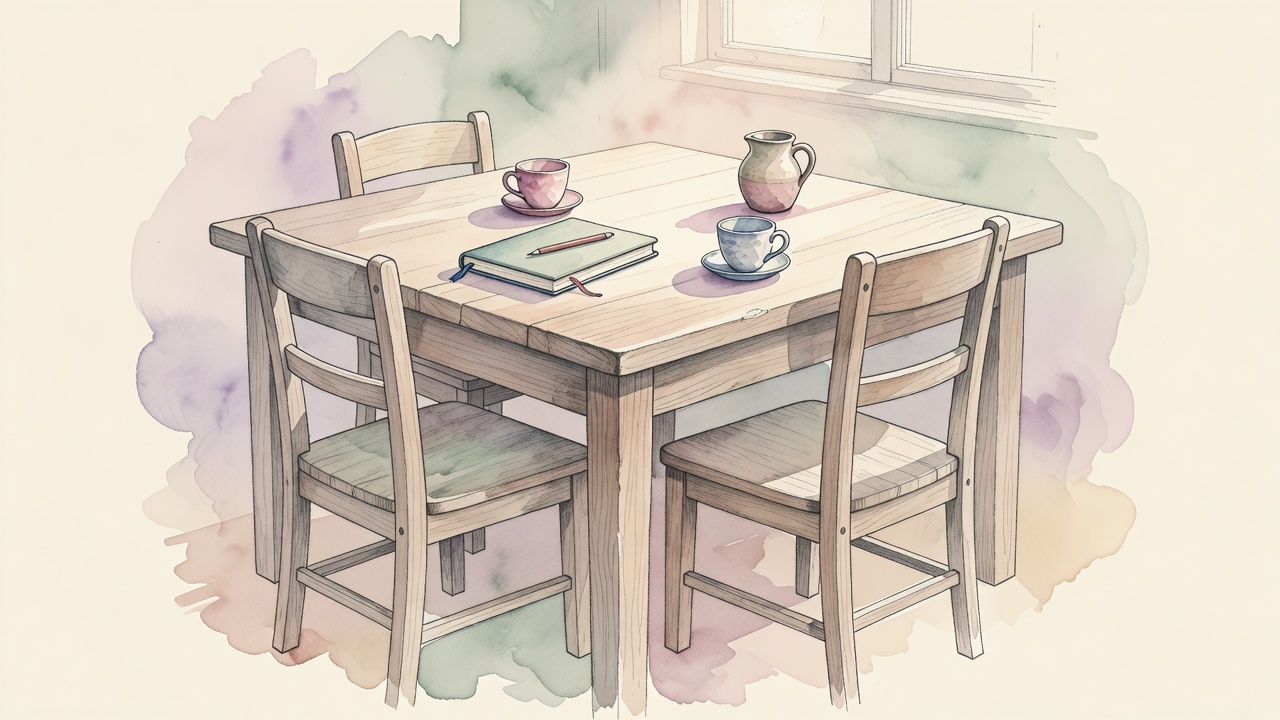
Now to the part that matters most clinically. The course names two frameworks; both come from the kink community itself, not from clinicians. The first is safe, sane and consensual, which asks exactly what it says of the activity and of the people in it. The phrase dates from the early 1980s, when a New York kink organization adopted it as a minimum standard. The second, the Risk-Aware Consensual Kink model, RACK, came later, around the turn of the century, as a correction to the first. RACK acknowledges that there may be intrinsic risk in the activities undertaken, so the focus is placed on informed consent and the negotiation of each interaction, including the physical, emotional and legal risks. A patient who speaks the language of RACK already expects honesty about risk, and that is a door you can walk through.
Limits, signals, goals and aftercare
The course lists four components of such a discussion. First, limits. A hard limit is never on the table and needs no reason. A soft limit is one a person is unsure about or will approach only slowly; it opens a conversation rather than closing one. Second, communication strategies for concerns, agreed before anything begins: a safe word that means stop, chosen so it cannot be mistaken for anything else said; the traffic-light colors, green to continue, yellow to slow or check in, red to stop; and a non-verbal signal with the same authority, because speech is not always possible. Third, the goals and expectations of the scene, meaning the planned encounter: what each person hopes to feel, and what would disappoint. Fourth, aftercare: what each needs once the scene ends, because intense experience leaves body and mood somewhere unusual, and coming back is part of the plan. Aftercare is where you most clearly hear whether a relationship is kind.
How the conversation goes, in outline
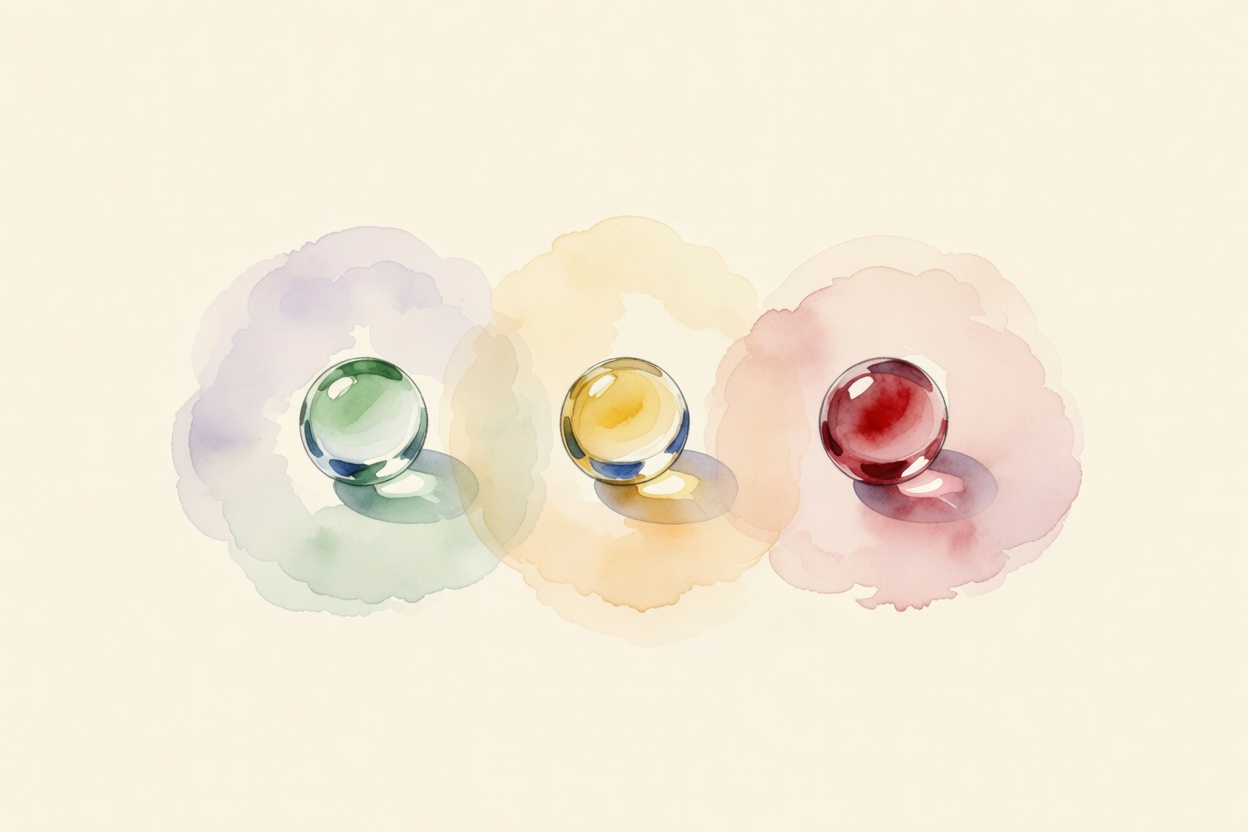
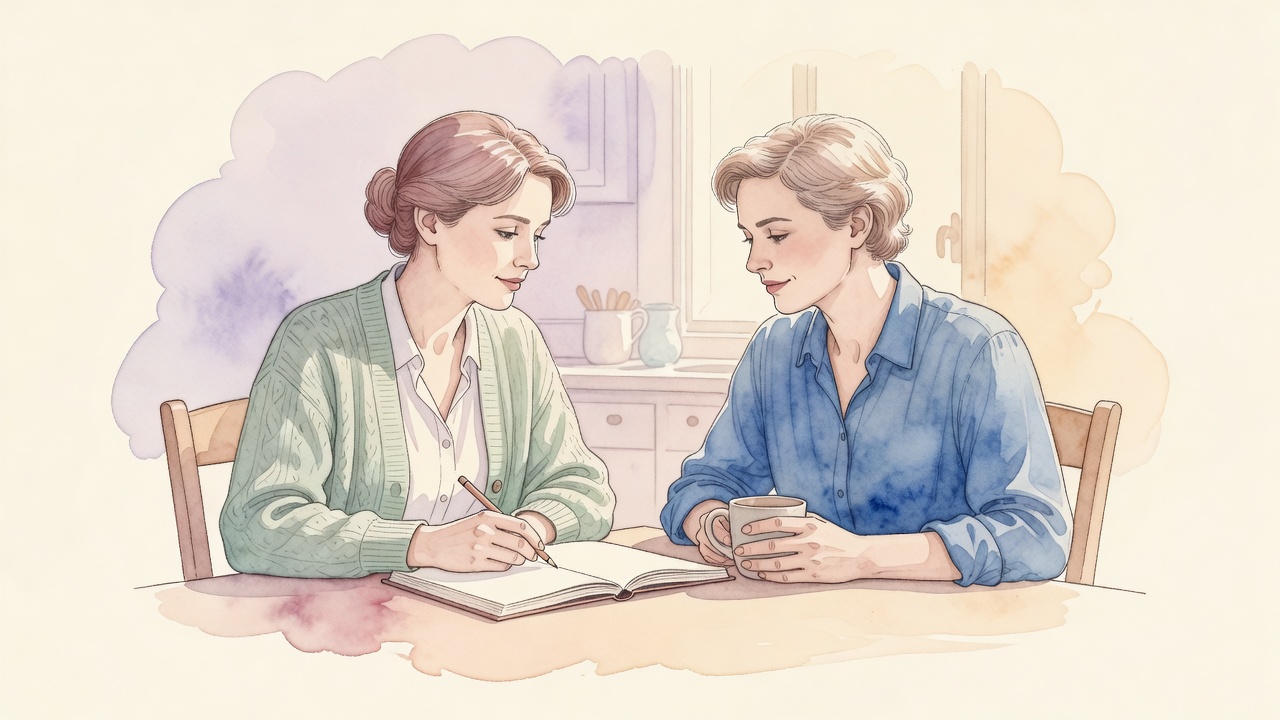
The course gives an example; here is one in outline, because the structure is what matters to you. Picture two adults at a kitchen table, before anything, with a notebook between them. They begin with goals: what each wants, and what each hopes to avoid. Then limits: what is never on the table goes down without discussion; what is uncertain gets talked through. Then signals: a safe word, the colors, a gesture for when words are not available. Then aftercare: what each will need afterward, and who will make the tea. They agree to talk again tomorrow. Nothing in that outline is unique to kink. It is informed consent, done as a conversation between equals. When a patient tells you their relationship works this way, you have learned something good about it.

Four books the course recommends
The course offers four resources, for you or for a patient who asks. Playing Well with Others, by Lee Harrington and Mollena Williams, is an introduction to the kink community with an emphasis on consent and negotiation. SM 101: A Realistic Introduction, by Jay Wiseman, is a foundational text on safety and communication. The Topping Book and The Bottoming Book, by Dossie Easton and Janet Hardy, explore power dynamics and emotional safety. And Kink: Stories, edited by R. O. Kwon and Garth Greenwell, is a collection of fiction on the psychological side of kink and power. Fiction often reaches the interior of an experience before the clinical literature does.
What to carry out of this class
Set the pieces together. Kink is defined against a conventional that keeps moving; some hold it as a preference, some as an orientation, and you use the patient's word. A fetish is an interest felt as necessary, and an interest alone is not a disorder. You need to hear any of its ten named forms steadily. The theories are a brain map and ordinary learning. The two frameworks give you a checklist to listen for: limits, signals, goals, aftercare. Where those are present, you are hearing consent. Where they are absent, you ask the questions you would ask anyone. That closes Science and Culture.
What if the question is not whether a behavior is normal, but whether the people in it are safe, informed, and free to say yes or no?
About this class
Source. These lectures are built from the course slide decks of Brittany Millard, MD, MPH, CSC, FECSM — course director at the Northwest Institute on Intimacy — and keep their order, objectives and clinical content. The narration expands the slides into spoken teaching in the series voice; the lecturer's own framings and clinical opinions are attributed to the course.
Checking. Every lecture script was adversarially fact-checked against primary sources before narration; corrections to the slides' own figures are recorded in each lecture's check notes: Lecture 1, Lecture 2.
Illustrations and narration are new (2026). The plates are painted in the series' Atlas of Tenderness style with xAI grok-imagine from scene descriptions — none of the decks' own images is reused. The narration is a three-voice performance with ElevenLabs (narrator: Matilda, the series voice; reflection prompts: Alice; quotations: George); the word-by-word read-along comes from the model's own timestamps. Scripted, illustrated and checked with Claude through the Scriptorium pipeline.
Educational use only. These lectures are clinician-facing continuing education. They are not treatment protocols and are not a substitute for supervision, training, or peer consultation.