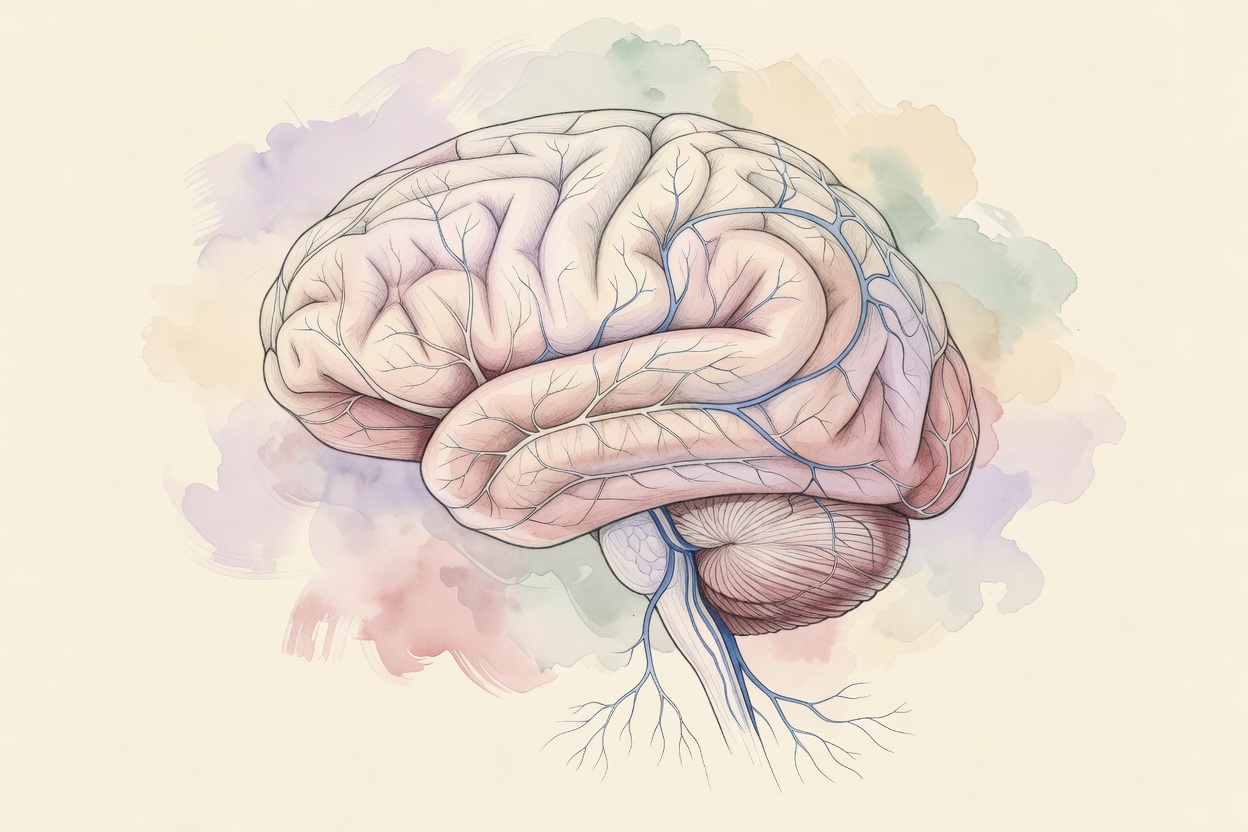
Physiology
The physiology of consent, arousal, and desire
Two lectures on the nervous system under the encounter: consent as a noun, a verb and a physiological state, with the autonomic nervous system, interoception and the ethics of informed agreement; then the neurochemistry of desire and arousal, the models of sexual response, the gas-and-brakes systems, the drugs that act on them, and how to start the conversation in clinic.
🎧 Listen and follow along
Press play and each word lights up as it is spoken; the plate for the current slide stays beside the text. Tap any word to listen from there. Present turns the page into one slide per screen (arrow keys move between slides). Aa in the player changes the font, size, spacing and highlight colour. Your place is remembered on this device.
download the whole class (mp3, chapter marks)Contents
- Lecture 1The Physiology of Consent15 min · 15 slides
- Lecture 2The Physiology of Arousal and Desire24 min · 16 slides
The Physiology of Consent

What this lecture asks of you
This first of two physiology lectures begins with a claim that may sound odd here. Consent is a noun, a verb, and a physiological state of being, and the three do not always agree.
You should leave able to describe the autonomic nervous system, to say what polyvagal theory claims and how the course asks you to hold it, to use physiology to understand how consent shapes experience, and to think through the medications and chemicals that act on these systems and so on the capacity to agree.

Infinitely interconnected, infinitely complicated
Picture a tangle of colored threads, knotted so that pulling any one moves all the others. That is the honest picture: endocrine talks to immune, to gut, to brainstem, to heart, mostly below anything a person can report.
Most of these systems we cannot accurately measure or observe, so it is difficult to predict the impact of a change before you make it. The models you are about to learn are maps; the territory is more tangled.
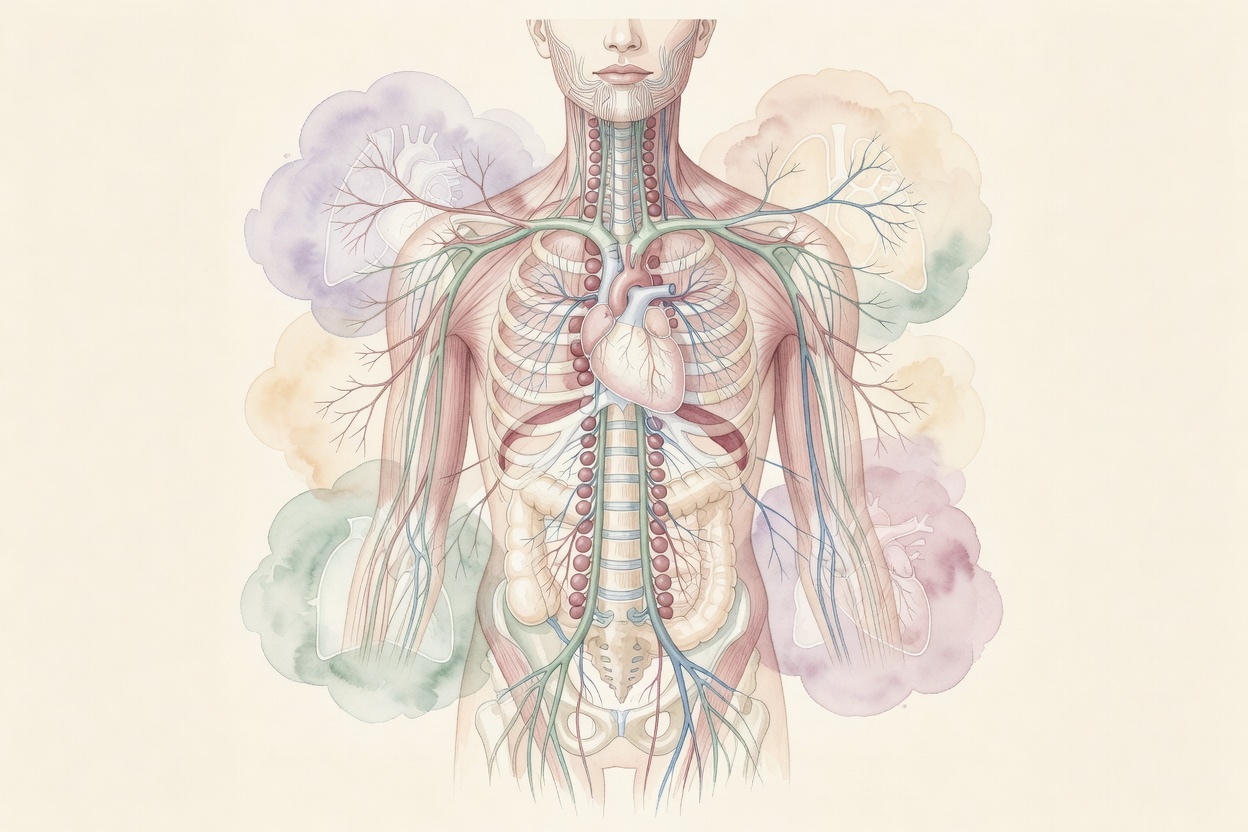
The autonomic nervous system
The autonomic nervous system runs the body's internal workings without conscious direction: heart rate, blood pressure, breathing, digestion, and the blood flow arousal depends on. You do not decide these things; your body does, according to what it believes is happening.
It has two branches, described in balance. The sympathetic branch mobilizes, quickening the heart and readying the body to act; its fibers leave the thoracic and upper lumbar cord and gather in a chain of ganglia down either side of the spine. The parasympathetic branch restores, slowing the heart and driving digestion; its fibers travel out from the brainstem and the sacral cord. Both branches are active at once, and the state you are in is the ratio between them.
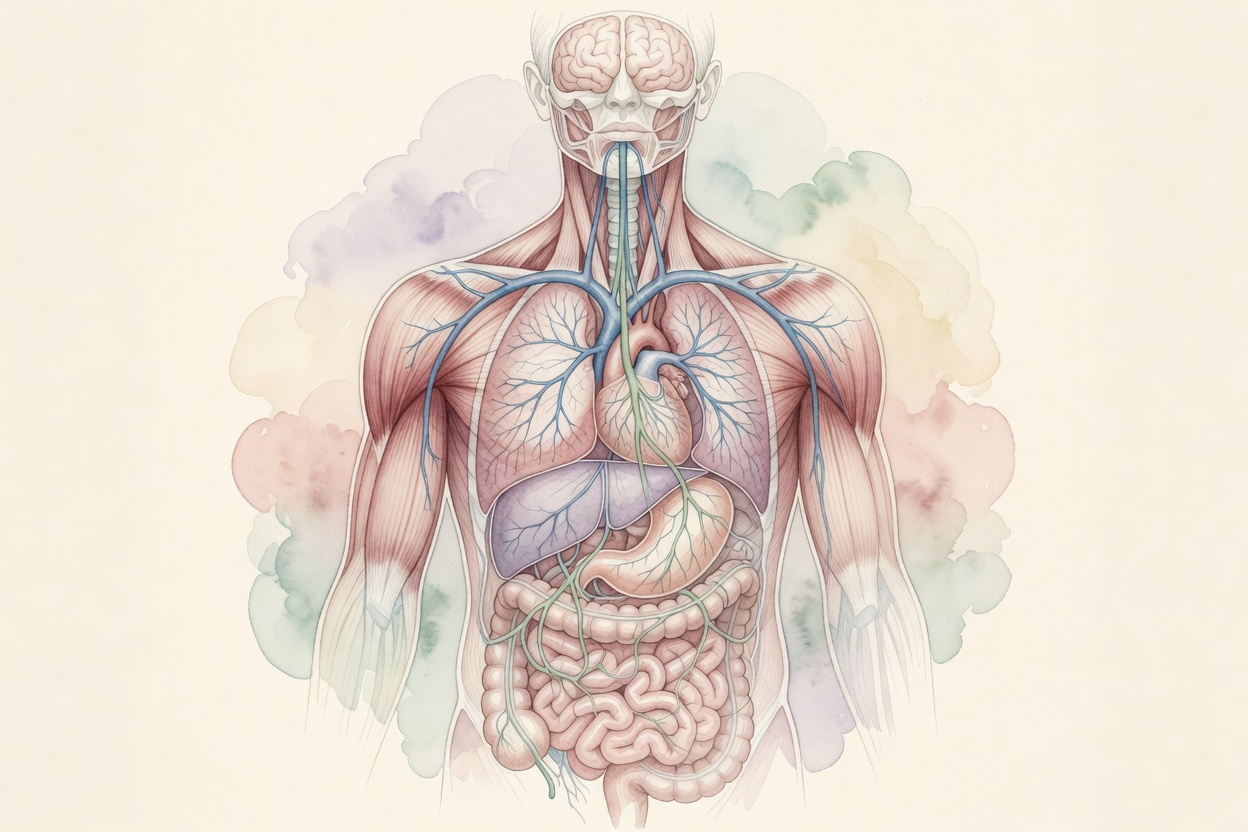
The vagus nerve
Of the parasympathetic pathways, know the vagus by name. It is the tenth cranial nerve and the longest, wandering from the brainstem through the neck and chest into the abdomen, the primary communication highway between the brain and the major internal organs: heart, lungs, and most of the gut.
Notice the direction of the traffic. Roughly 80 percent of its fibers are sensory, running from the body up to the brain. The vagus is less a set of commands than a stream of reports. The body is talking to the brain far more than the brain is talking to the body, and that is the ground of what follows.
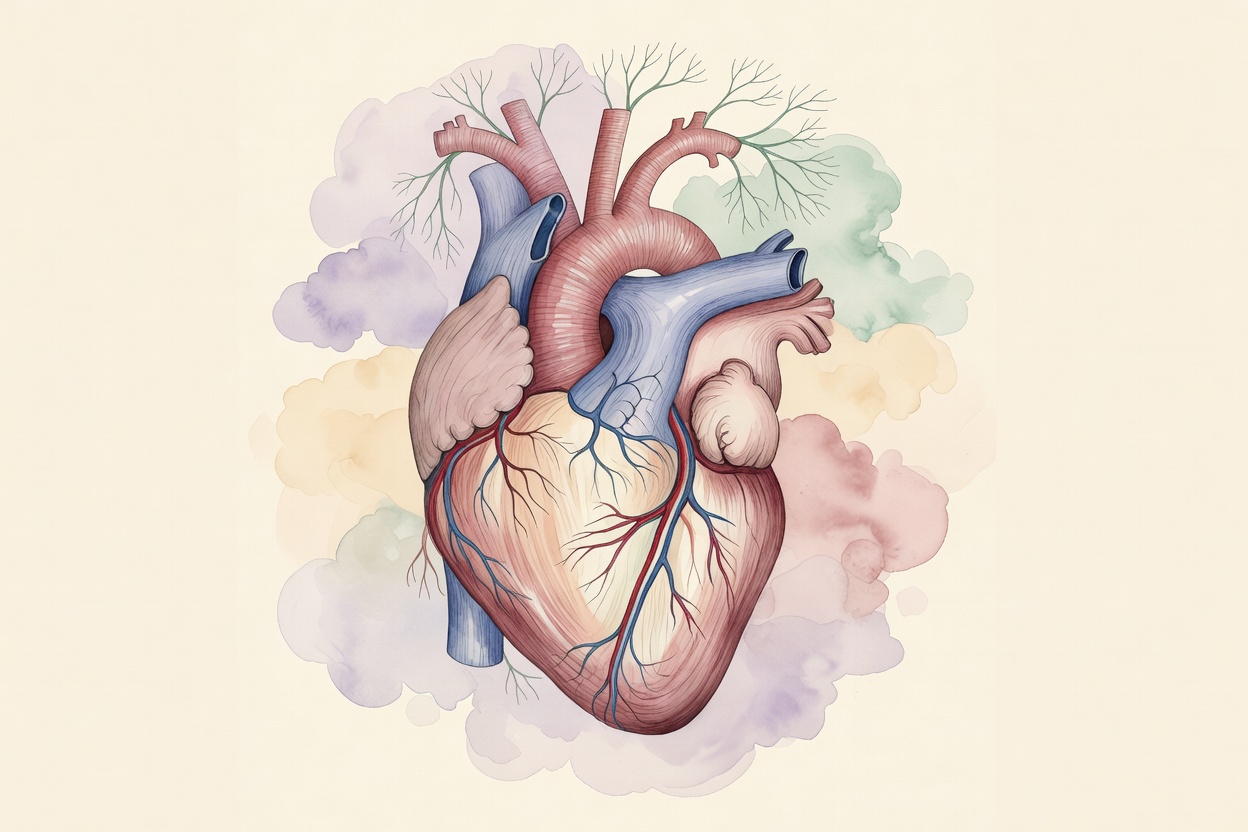
Polyvagal theory as a useful metaphor
In 1995 Stephen Porges published the polyvagal theory. It proposed two functionally distinct vagal branches, an older one tied to shutdown and a newer one to calm social engagement, with the nervous system moving through a hierarchy of states as it reads the world for safety or threat.
It took real experiences, freezing when you want to fight, going numb in an encounter you agreed to, and tied them to specific anatomic and physiologic explanations. The course's position is that those explanations are likely incorrect; in 2026, thirty-nine specialists writing in Clinical Neuropsychiatry argued outright that the theory is untenable, and on the anatomy the course sides with them.
But that the explanation was probably wrong does not negate the experiences people were having, and naming them validated them. A metaphor that models what people go through has utility even when it does not match the physiology. Use the metaphor. Hold the anatomy loosely.
Interoception and neuroception
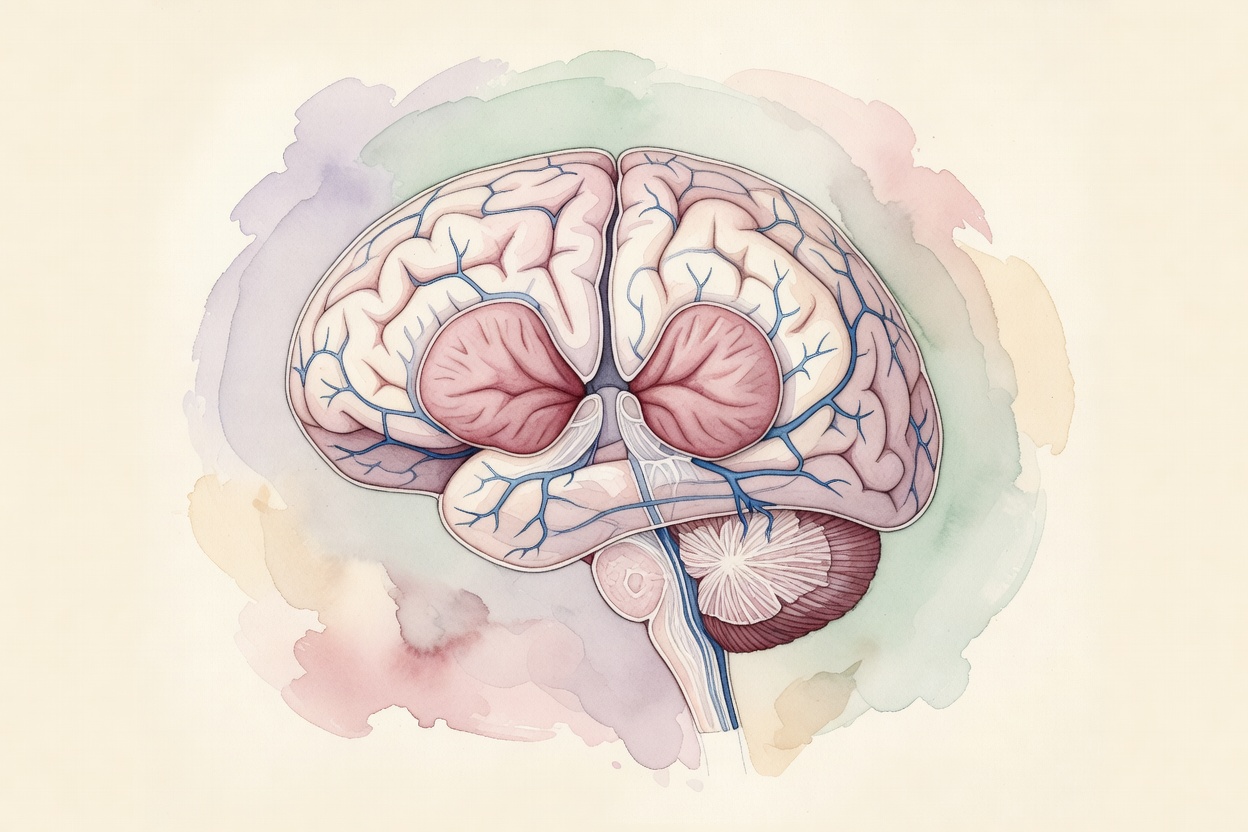
Interoception is the sense of your body's internal state: heartbeat, bowel, breath, the warmth in the face. The course folds in the position of your limbs in space, strictly proprioception. Much of it is assembled in the insula, a fold of cortex deep in each hemisphere that receives the vagal traffic just described.
Can you detect sensations in your body right now? Your digestion, the position of your limbs, the rate and resistance of your breathing?
Many cannot answer easily; a feelings wheel, broad words at the hub, exact words at the rim, helps. A sensation you cannot name is a sensation you cannot report, negotiate, or consent with.
Neuroception, a term the course keeps from Porges, asks what it feels like in your nervous system beneath any feeling you could name; the course gives the answers colors. Green is safety and connection: digestion runs, a person can be curious. Yellow is alert mobilization: attention narrows, the heart quickens. Red is active threat, fight or flight fully engaged. Blue is the shutdown when neither fighting nor fleeing seems possible: collapse, numbness, going away.
What the word consent means
Consent is a noun, the consent you obtain, and a verb, consenting. It comes from Latin: sentire, to feel, modified by con, together. At its root, consent is feeling together.
Yes is a word. I want to is a feeling. I joyously engage in this is a whole-body state, and it is the standard the course holds up. Improvisational theater calls it yes, and: accept what is offered and build on it. Consent at its best is not a gate opened once; it is something two people make together, move by move.
And it is not binary. Think of an ice cream headache: you wanted it, you are enjoying it, and a sharp pain is spreading behind your eyes. Wanting and hurting are both true at once, and real consent lives in that mixed signal more often than in a clean yes or no.

Why feeling together is complicated
If consent is feeling together, everything that makes feeling hard makes consent hard. Individuals are enculturated about feelings differently. Many are taught early to suppress, ignore and deny their emotional inputs. Others misidentify what they feel. Others carry maladaptive responses shaped by prior trauma, so that a safe touch arrives labeled as danger.
Regardless of cause, interoceptive skill, interpretation, communication style, receptivity and practice all vary, and two people bring two versions of each. Feeling together is a skill, and most people have never been taught it.

A cup of tea, and a definition
Many of you know the animated video comparing consent to a cup of tea, drawn from a blog essay in 2015 and taken up by an English police force. If you offer tea and the answer is yes, you make tea. If the answer is no, you do not make them drink it. If they said yes and then change their mind, or fall asleep, you do not pour tea into them. Nobody is confused about tea, and the same courtesy should not turn mysterious when the subject is sex.
The course then offers a working definition from Consent Academy, a consent-education collective.
Voluntary agreement, made without coercion, between those with decision-making capacity, knowledge, understanding, and autonomy.
Every clause does work; remove any one and the yes you hear is something other than consent.
Substances and medicines that interfere with consent
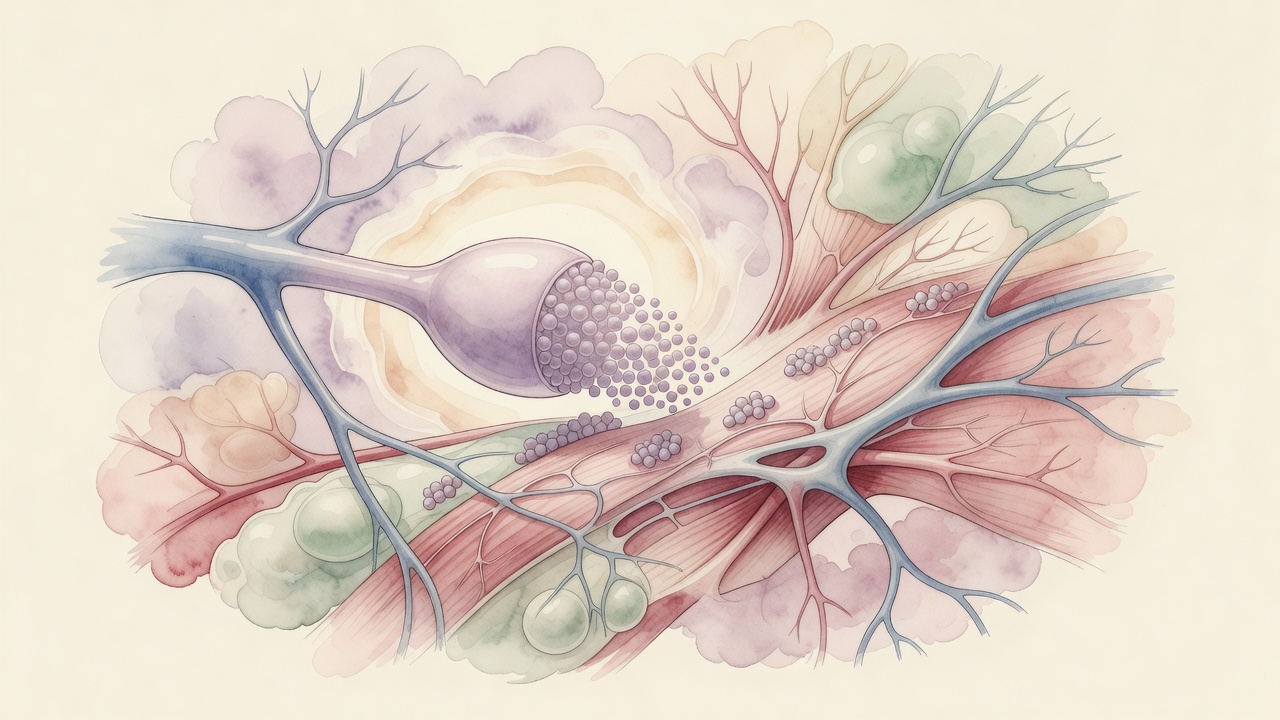
Some substances and experiences interfere with consent. One is subspace, a kink-community term for the altered, floating state a person may enter during an intense scene, usually attributed to endorphins and adrenaline. Someone deep in it cannot assess or communicate as they could an hour before, which is why experienced players negotiate before a scene, not during.
Some medications interfere with judgment or cognition itself: opiates, and benzodiazepines, which can also block the laying down of new memory. Beta-blockers and alpha-blockers act on the body's signals instead, interfering with heart rate modulation and so with the interoception of physiologic responses: a patient on a beta-blocker may not feel the racing heart that would have announced fear or excitement. Recreational substances may change how events are interpreted and recalled.

Ethics and informed consent
Who has the right to consent? To what? When? How? They seem obvious; the course's point is that they are assumptions until openly discussed. A key component of consent is the explicit discussion of what is being consented to, by whom, and in what context.
Think of a go board: a stone has no meaning alone, only among the stones around it, and one new stone changes what all the others mean. So with consent; only the conversation makes the context visible.
Medicine's formal version has three medicolegal components. Disclosure: all necessary information, given in a way the consenting person actually understands, with attention to language, medical literacy, and time for questions. Competency: the person must be able to make the decision, of sound mind, and able to communicate it faithfully. Voluntariness: no undue pressure toward one course of action from an external force with a stake in the outcome, so attention to power imbalance and coercion. Disclosure, competency, voluntariness. Hold those three against every yes you are ever told.
I said yes, but it felt no
This happens. It feels bad. A person agrees in words, and afterward the body reports otherwise.
First, look for issues of capacity, power and coercion; the course's stance is plain: believe the person reporting. Did the individual have access to an authentic yes? If not, because of a substance, a power difference, a threat, or a nervous system already in red, it was not consent, whatever was said.
If they did, what else can happen? People think and feel two ways at once. Cognitive dissonance is holding a belief misaligned with another you also hold; affective dissonance is an emotional state that does not match your thinking. You decided yes. Your body never agreed.
Egodystonia joins ego, the sense of self and agency, to dystonia, Greek for bad tension: doing or feeling something incompatible with your concept of self. Ego depletion joins ego to depletion, the using up, and names decision fatigue: the loss of will when the energy for self-efficacy and agency is spent. The laboratory evidence is contested, but you will recognize the person with nothing left to say no with. A yes given from depletion is not the yes given from fullness.

Dilemma, resignation, and living in yellow and red
A dilemma is the circumstance in which two things are diametrically opposed and simultaneously true; the word is Greek, two propositions laid side by side. I want to keep this relationship, and I do not want this tonight. Both are true.
Resignation is a dilemma lived long enough. I should. I have to. I am expected to. I must. The course names these as normalized violations of consent: I do not want to, but I have to, and if I do not there will be trouble.
Underneath resignation is a physiology. Many people spend little of their lives doing what they want; they work to live in high-stress, high-threat environments. A nervous system that never gets to down-regulate never gets to process, and never reliably reaches the green space where consent is possible. Living in yellow and red is a state, not a character flaw, and states can change.

The ethical argument for self-care
What helps? Recognition: supporting people in self-care, agency, and the validity of seeking safety and joy helps the nervous system regulate. Facilitation: connection and community reinforce new habits, and autonomy and choice are powerful tools in cognitive reframing.
Then turn the lens on yourself. Self-care is not a weakness. It is prospectively reducing your vulnerability to moral and ethical errors by increasing your resilience. Nurturing your own internal sense of rightness, developing a library of reference sources you trust, and keeping a supportive pod of wise guides is your ethical responsibility. The American Medical Association's Code of Medical Ethics agrees, treating physician health and wellness as a professional obligation.
Without that insight come decision fatigue, premature closure, loss of agency and burnout, and burnout leads to harm. The course defines burnout, or care fatigue, as a loss of self-efficacy, hallmarked by an inability to perceive how current efforts will produce a better future, and names moral injury, vicarious trauma, poor social and programmatic supports, and institutional betrayal as what feeds it.

Community, connection, and the pod map
But seriously, how? It is person-specific, but the course gives two anchors: community and connection. Brains love consistency and the endorphins that come with it; healing is mostly repetition in good company.
Resident orcas spend their whole lives in their mothers' pods. The course borrows the word. A pod map is an exercise from transformative-justice work: you write your name at the center of a page and, around it, the people you would actually call if you were harmed, if you had harmed someone, if someone you love were being harmed. Most people find the map smaller than expected, which is the point.
What was this activity like for you? Did you have a chance to think about who your pod is for different situations, at work, at home, on the day you are the one who needs care?
The Physiology of Arousal and Desire

What this lecture asks of you, and why the word normal needs defining
The first of this class's two lectures took up consent; this one takes up arousal and desire. By the end you should know the neurochemicals involved, be able to use models of sexual response to explain lived experience, appreciate how broadly a change in one part of these systems is felt, and know the interventions when the system falters.
Two words need defining first; you and your patient may not mean the same thing by them. The first is normal. For a serum electrolyte the normal range is clear; for human behavior it is not. The course uses normal strictly descriptively, for a behavior that is typical, average or usual, and suspends any judgment about whether it is healthy. Many common forms of sexual expression are not healthy, a partner enduring painful, pleasureless sex for example, and many uncommon forms are.
Any sexual act between actively consenting, capable adults, in the absence of coercion, is normal. That expansive definition includes forms of sexual expression you may never have encountered, and some that may unsettle you; children's sexual development belongs to a separate lecture.

What your patient means by sex
The second word is sex. Clinicians are usually trained to hear it as the genitals of a person assigned male at birth entering those of a person assigned female at birth, and the patient you ask about being sexually active may mean something else.
Researchers in Indiana surveyed 486 residents aged 18 to 96 about which sexual behaviors counted as having sex. 45 percent said manually stimulating a partner's genitals counted, 48 percent when receiving it. 71 percent said performing oral sex did. 81 percent counted anal intercourse. Ask how often someone is having sex without saying what you mean or why, and you may miss a chance to protect their health.
When you ask a patient whether they are sexually active, what exactly are you asking, and what might they hear?
Three models of sexual response
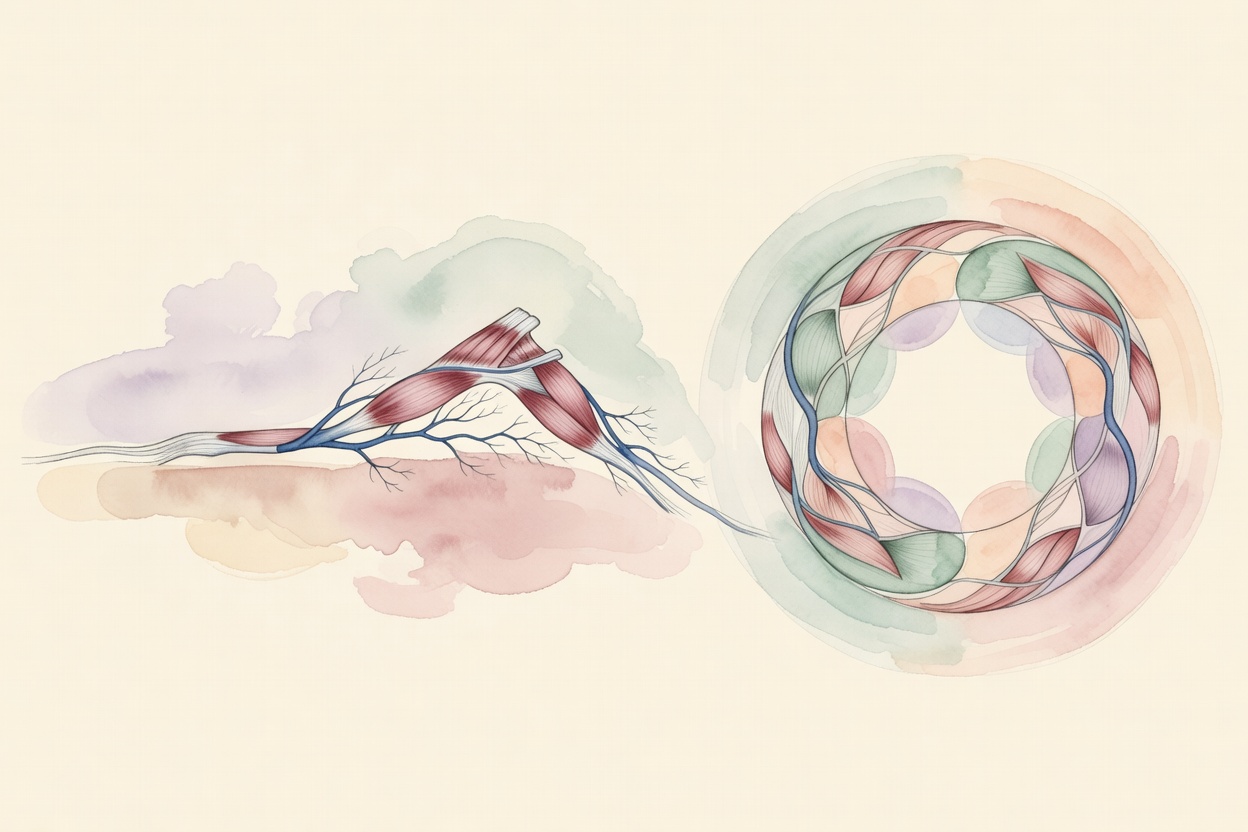
The earliest models came from Masters and Johnson's laboratory work between the 1950s and the 1970s. Instruments measured blood flow and erectile rigidity, but much was codified from filmed observation. The resulting model has four stages, excitement, plateau, orgasm and resolution, drawn as one rising and falling curve, much the same for men and women. Kaplan later added desire as a phase before the cycle.
Observation of women's sexuality led to the Basson model, a circle rather than a line, with room for responsive desire, which many women report: none before an encounter, then desire arriving once stimulation has begun. In Basson's circle, a person's baseline physiological state, labeled as hormonally driven, shapes their receptiveness, perception of sexual stimuli and arousal. Sex then rewards through pleasure and orgasm, and through non-sexual benefits such as intimacy and a strengthened partnership, and those rewards raise receptiveness to the next encounter. When counseling patients, the lecturer likens this to Newton's laws of motion: an object in motion stays in motion unless a force acts on it, and an object at rest stays at rest.
A car with gas and brakes
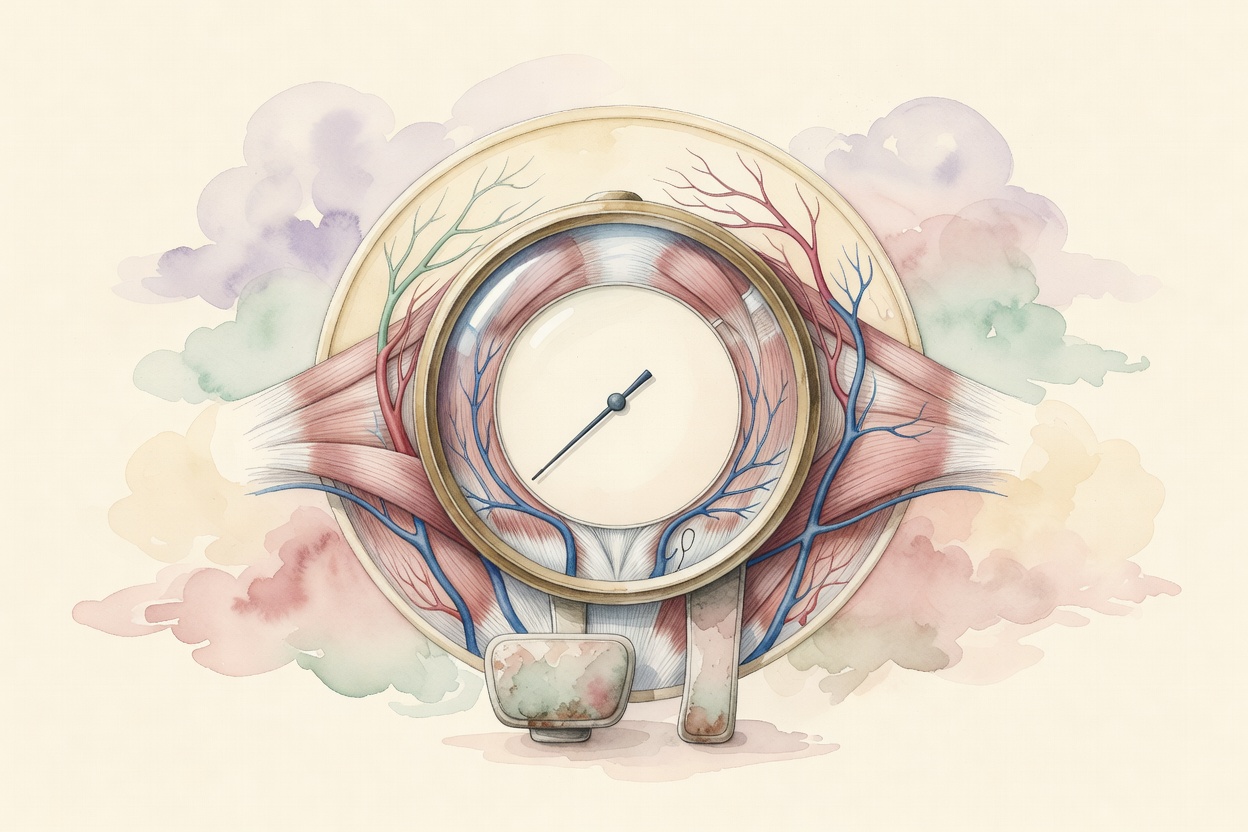
These models are oversimplified; none captures the physiology underneath, the relationships around it or the cultural forces on sexual expression. The course explains the body's systems with a vehicle: excitatory systems are the gas pedal, inhibitory systems the brakes, and to go faster you take your foot off the brake and give it some gas.
Perelman's sexual tipping point model, published in 2009, formalizes this. It sits alongside the response models rather than replacing them, a biomedical, psychosocial and cultural account of what moves a person toward or away from desire, and it mirrors the body's own control mechanisms: excitatory and inhibitory signals decide, moment by moment, where the needle rests.
Lubrication, erectile tissue, blood flow and muscle all depend on messages from the center, and circulating hormones, including testosterone, prolactin, estrogen and progesterone, modulate how tissues answer, which is why one woman's response to the same stimuli differs across her menstrual cycle. Hormones and end organs are for another day; this lecture stays with central signaling.
Serotonin, endocannabinoids and opioids, the body's own or from outside, are the brakes: as their levels rise, responsivity and desire fall. Dopamine, melanocortins, norepinephrine and oxytocin are the gas. Each is a potential therapeutic target, but the systems are so interconnected that pushing one alone rarely produces meaningful change. Two cautions: much of the data comes from rats, with small human studies, and real-time measurement of brain response and circulating neurochemicals is a young science that functional M R I will keep revising.
Dopamine, the prime mover
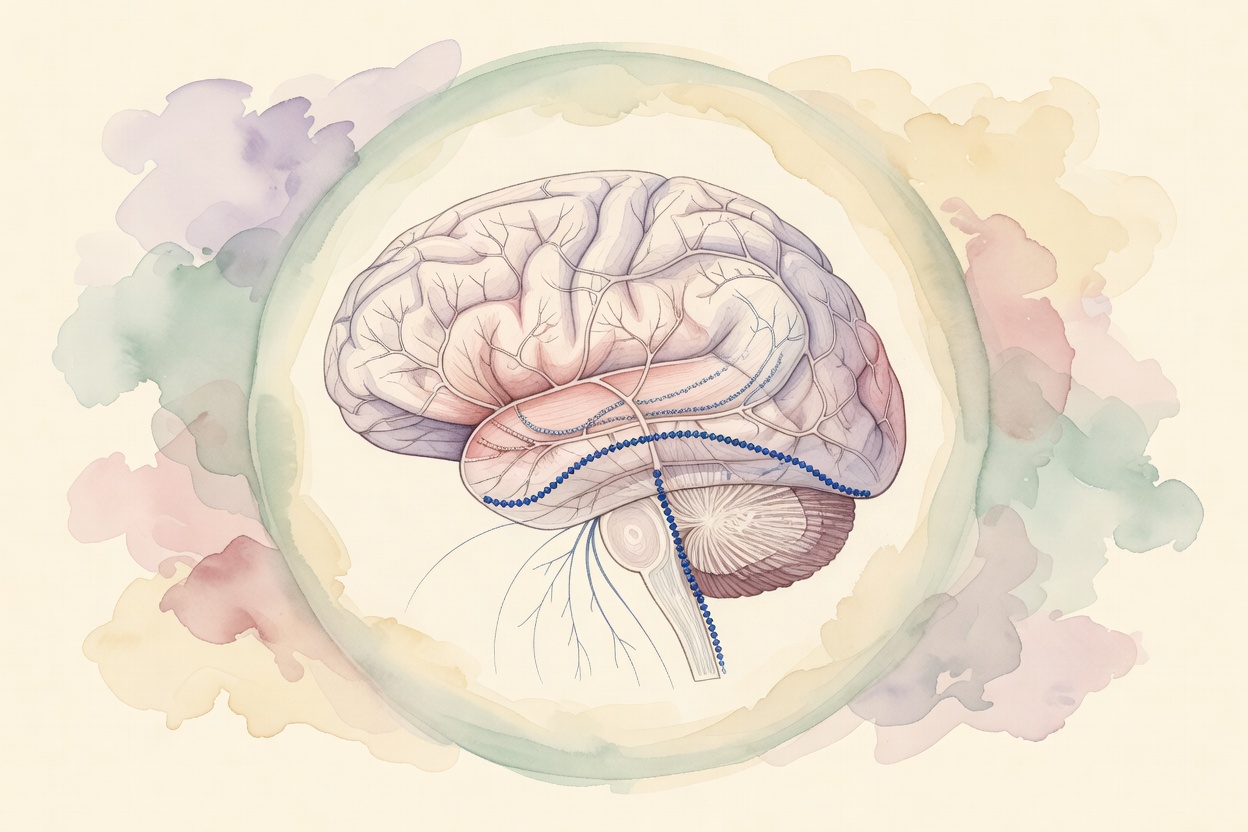
If you remember one neurotransmitter from this lecture, let it be dopamine. Dopamine is the key mediator of desire; raised levels reinforce motivation, attention and reward. Its receptors fill the brain's deep structures, and released from the medial preoptic area, a small region at the front of the hypothalamus, it regulates the sympathetic and parasympathetic blood flow changes that follow a sexual cue.
A schematic the course borrows from a 2018 Pfaus lecture puts the chain in order: stimulus to brain, dopamine from the medial preoptic area, then sympathetic chain, parasympathetic outflow and spinal reflexes, and finally the visible change in the genitals.
L-Dopa, used in Parkinson's disease, is a precursor the brain converts into dopamine, and a familiar side effect is increased sexual desire and activity. It is not used for desire disorders, because it can also bring mood disturbance, hallucinations and blood pressure abnormalities. Running the other way are the dopamine antagonists prescribed for psychotic conditions and, increasingly, for sleep and mood, among them quetiapine, risperidone, which you may know as Risperdal, and thioridazine; each can substantially blunt desire and function. Many medications used to increase desire raise dopamine indirectly or slow its clearance; iatrogenic sexual dysfunction has its own lecture later.
Norepinephrine, yohimbine, and the injection that bypasses the brain
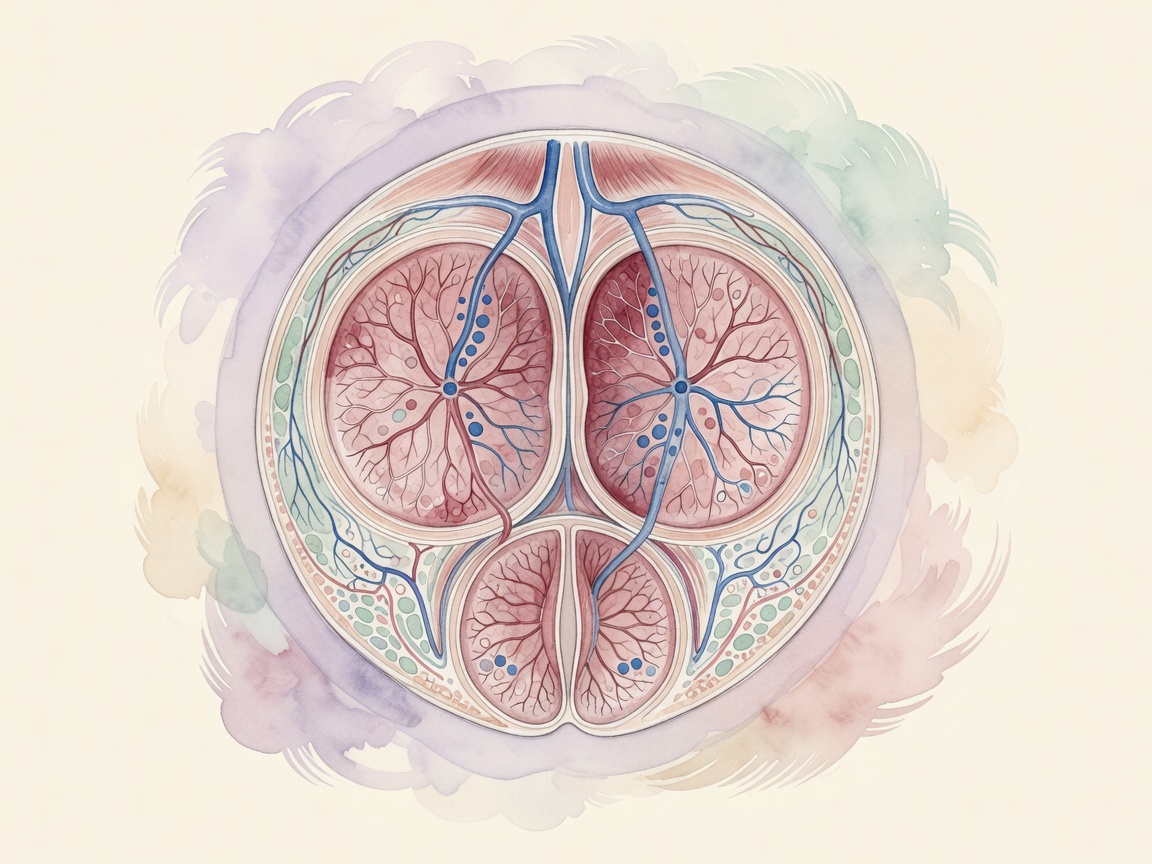
The autonomic nervous system uses several neurotransmitters, but norepinephrine, or noradrenaline, is the primary mediator of arousal. Centrally it brings focus and arousal. Peripherally it constricts most vessels, quickens the heart and dilates the pupils; the course also credits it with increased blood flow to the erectile tissue of the penis and the clitoral-urethral complex, though alpha-1 tone is what keeps the penis flaccid.
Yohimbine, from the bark of the West and Central African yohimbe tree and available as a pharmaceutical, blocks the alpha-2 adrenergic autoreceptor that normally suppresses norepinephrine release, so levels stay high without the usual down-regulation. It has been used as an aphrodisiac and to facilitate erection, but unregulated sympathetic discharge feels unpleasant, which limits systemic use; the course notes it can be combined with other agents or, to keep the effect local, given by intracavernosal injection.
If that is unfamiliar: the agent is injected into the corpora cavernosa, the paired chambers that fill with blood during erection, and works there without the brain's signal. That makes it an option when the nervous system is damaged upstream of the erectile response, and for patients who have not responded to phosphodiesterase type five inhibitors, the P D E five inhibitors.

Melanocortins and bremelanotide
Melanocortins, the hot topic in sexual medicine, potentiate dopamine release from the medial preoptic area and so increase desire and arousal. Estrogens raise their levels in the anterior hypothalamus, and higher concentrations go with more sexual interest behaviors.
Bremelanotide, trade name Vyleesi, is a melanocortin receptor agonist approved in 2019 for hypoactive sexual desire disorder in premenopausal women; the course notes off-label use to induce erections in men for whom PDE5 inhibitors have failed. Semax, a seven-amino-acid fragment analog of adrenocorticotropic hormone used in Russia, is another melanocortin-related agent. A related molecule, setmelanotide, is approved for rare genetic obesity caused by faults in melanocortin signaling.
Bremelanotide comes as a prefilled autoinjector, 1.75 milligrams in 0.3 milliliters, given subcutaneously at least 45 minutes before sexual activity, no more than once in 24 hours and 8 times a month. Nausea affected 40 percent in trials and can be severe; many prescribers, the lecturer among them, give an anti-nausea medicine an hour beforehand; it eases with later doses but often persists. Hyperpigmentation of the gums, face and breasts occurred in about 1 percent at that dosing, in 38 percent of those dosed daily for eight days, and may not fade when it is stopped. The benefit: in the pivotal trials about 25 percent had a meaningful rise in desire score against 17 percent on placebo; satisfying sexual events did not increase. That is a modest effect, and while a subset of responders may find it transformative, the lecturer's view is that for many the juice is not worth the squeeze. The label advises against it in pregnancy, the course also while breastfeeding or trying to conceive, and because it raises blood pressure after each dose it is contraindicated in uncontrolled hypertension and known cardiovascular disease.
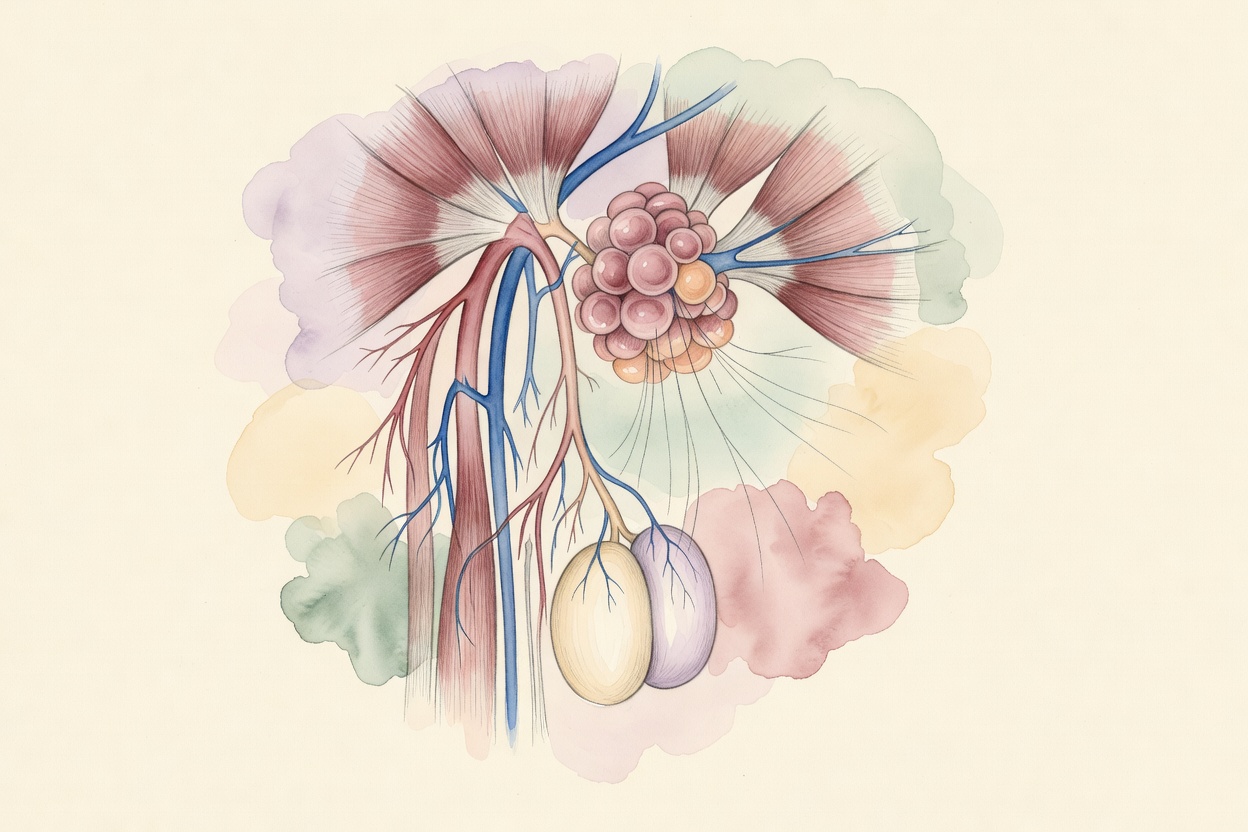
Oxytocin, arousal and bonding
Oxytocin is widely called the love hormone, with roles in bonding, childbirth and lactation. It is made in the hypothalamus and released from the posterior pituitary, and its receptors sit in the brain, the peripheral nervous system, the myometrium, mammary tissue and the olfactory bulb. In a sexual context it matters for arousal and bonding; in the United States it is prescription-only, the nasal sprays compounded.
A 2021 review in Molecular Psychiatry by Quintana and colleagues gathers what is known about intranasal oxytocin, which the course describes as one spray per nostril, reaching the bloodstream with moderate efficiency. It is being studied in antisocial behavior, social functioning and autism, and used off label for anorgasmia, where timing is the whole art: given once the patient is adequately aroused, at the plateau phase, it facilitates orgasm for some. It is very well tolerated, with side effects similar to intranasal placebo, and the efficacy data for anorgasmia are very limited; the course lists pregnancy and hypertension as contraindications.
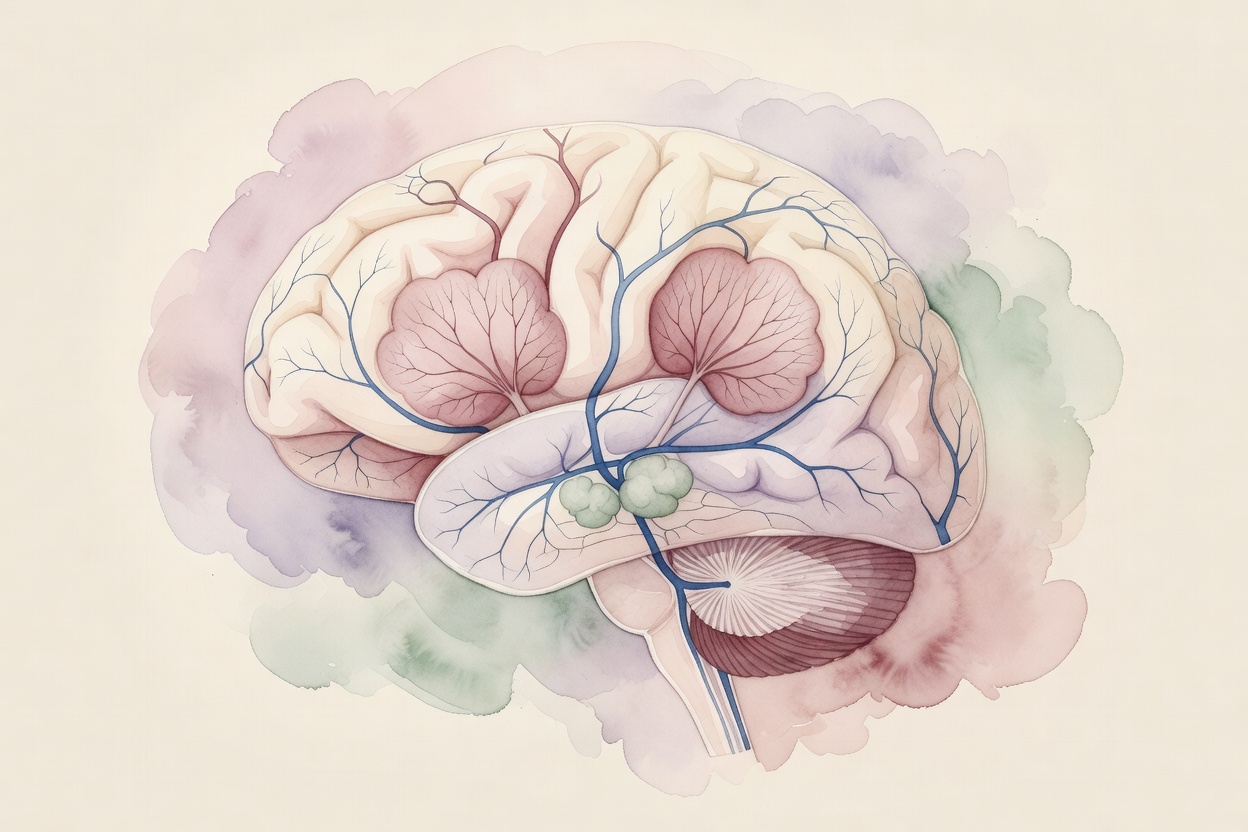
The brakes: endocannabinoids, opioids, and substance use
The inhibitory systems are endocannabinoids, opioids and serotonin, and as their concentrations rise, desire and receptivity fall.
In a small study of women, circulating endocannabinoid levels fell as arousal rose, and arousal may track that change more than the absolute concentration. Cannabis comes up often in the lecturer's clinic; some patients report better sexual function using it, which the lecturer suspects reflects lower performance anxiety, since no mechanism has been proposed. The data are limited and conflicting, some studies finding more sexual satisfaction among cannabis users and others more dysfunction, and research is held back by federal prohibition in the United States.
Opioids, endogenous and exogenous, act in the brain's reward systems. When a significant amount is present there is no gradient left for sex to climb, and in the response models it was reward that reinforced receptivity to the next encounter. All exogenous opiates are associated with decreased libido and erectile dysfunction, and the longer they are taken the likelier the problem.
Briefly, substance use goes with riskier sexual behavior, and patients who drink or use drugs may need counseling on keeping encounters safe. It is also associated with sexual dysfunction of many kinds: chronic opiate use with erectile dysfunction, methamphetamine with raised libido but worse erectile function, alcohol with low libido and erectile dysfunction, and tobacco with vascular disease that leads to erectile dysfunction.
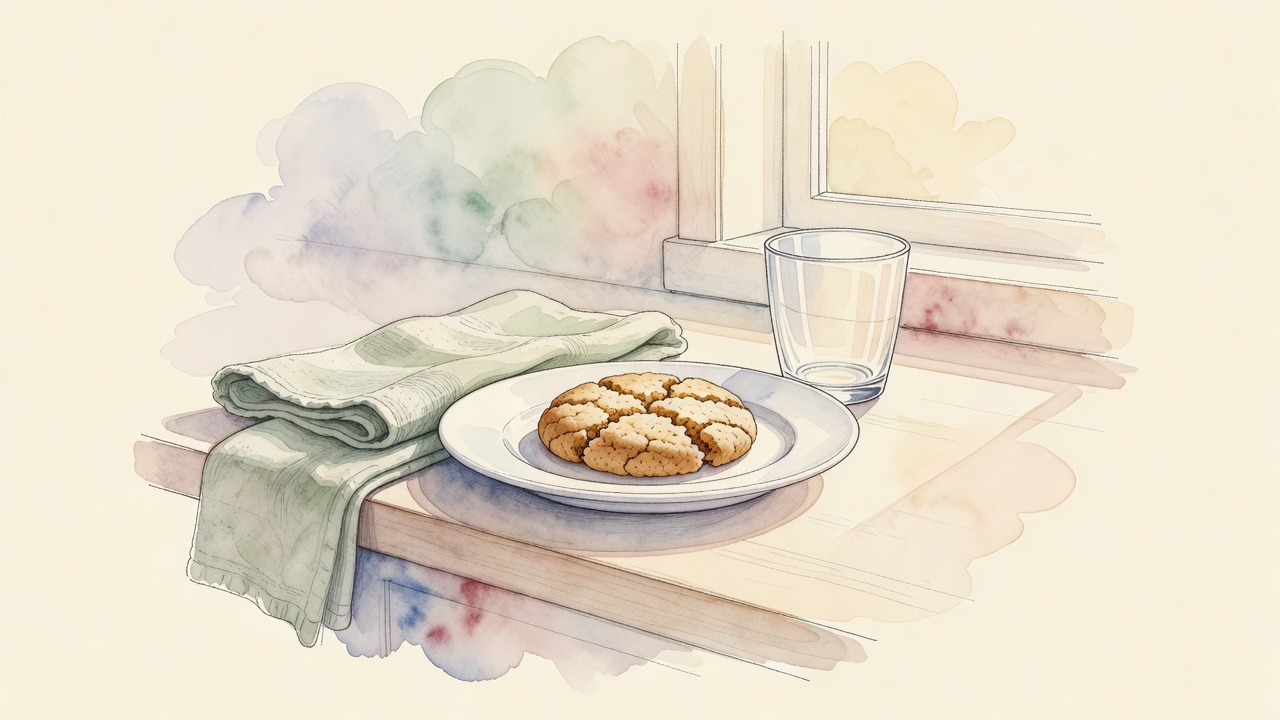
Serotonin and the cookie on the counter
Serotonin's job in the brain is a sense of well-being, and it diminishes desire by decreasing dopamine release; the word for the effect is satiety. The course's analogy for patients is a cookie on a plate on the kitchen counter. Hungry, you can hardly walk past without picking it up; after a large meal you pass it without a second thought. High serotonin receptor activation produces that full-after-dinner feeling, and the hunger, which is to say the desire, goes quiet.
Selective serotonin reuptake inhibitors, the S S R Is, raise serotonin and lower dopamine, a one-two punch that reduces desire and inhibits orgasm. The same receptors are a therapeutic target, and flibanserin, first developed as an antidepressant, was repurposed to increase desire through them, stimulating one serotonin receptor subtype and blocking another, with a net effect thought to be less serotonin and more dopamine and norepinephrine in the prefrontal cortex.
Flibanserin, trade name Addyi, is a tablet taken daily at bedtime. In trials dizziness and sleepiness each affected about 11 percent, fatigue 9, and a few had severe hypotension or fainting, a risk alcohol sharply raises; the label contraindicates it in liver impairment and with moderate or strong C Y P 3 A 4 inhibitors, requires alcohol be kept hours from the dose, and the course also counsels against it in pregnancy. There is probably a subgroup of responders for whom it is very helpful, and no reliable way yet to identify them; across trials the effect is very modest, half to one more satisfying sexual event per month and a 0.3 point rise on a desire scale. The lecturer questions whether that is clinically relevant, or worth the side effects, but in the right patient it may be worth a try.

Four things to carry across the break, and the most common complaint
The first half ends with four points. Align your lexicon before a conversation on a sexual topic, or perhaps any topic. Many sexual concerns in general practice can be addressed with a broad definition of normal, patient education and conservative interventions. Models of sexual response help you understand sexual function and explain it to people. And the most important sex organ is the brain: you cannot meaningfully address sexual function while the central systems are disordered.
Desire mismatch is perhaps the most common concern in the lecturer's practice, with three drivers, in order: people not having the kind of sex they actually want; relationship issues; and medical and pain concerns.
Begin by validating the desire for pleasure for its own sake: it is worth time, energy, resources and focus. It can be an individual pursuit and a team sport. Then encourage experiences, reading and exploration.
Enmeshment, and where a clinician starts
One desire killer deserves naming. Enmeshment is the lack of autonomy for one or both partners: a loss of self inside the relationship, and a lack of experiences outside it. It is not interdependence, cohesion or attunement; it is the point past them where no separate person is left to want anything, and it can seed many relational problems.
So where do you start? The course recommends the PLISSIT model, published in 1974 by the psychologist Jack Annon, with four tiers: permission, limited information, specific suggestions and intensive therapy. It is drawn as an inverted triangle, widest at the top: most patients need only the first tier, fewer the second, fewer still the third, and a few referral for intensive therapy.
Permission is key: the message that this is a safe place to talk about any issue, sexuality included, and that sexual expression is an important part of life and health. It says the topic is worthy, and that the patient will not be judged for raising it or for their choices of sexual expression. There is no place for judgment in the clinician-patient relationship.

Limited information, and why patients expect you to ask
Limited information runs both ways: collect only what you need, and provide focused education. Deciding whether someone needs anal Pap screening for a potentially lethal cancer requires knowing whether they have unprotected receptive anal intercourse. But asking every patient that routinely, without context, may be inappropriate and may not get honest answers.
Still, you must ask. Patients may not volunteer this information, and they expect their provider to ask. Many people go without screening for sexually transmitted infections, cancers and cardiovascular risk because providers are uncomfortable asking specifics.
So be sensitive, and be specific. A stated orientation does not tell you what a person does; the behavior dictates the risk, not the orientation. It helps to explain why you are asking, as in the course's example.
Individuals who have receptive anal intercourse without barrier protection like condoms, can be at increased risk for anal cancer and may require screening. Have you ever had receptive anal intercourse without a condom?
Questions like that detect an unmet health need; a comprehensive sexual history asks differently, in three domains.
Three domains of a sexual history
The sexual past gives context. Ask about a person's first memory of sex and their first feelings, hopes and fears about it; their family's sexual expectations and how it communicated values around sexuality; how and from whom they learned about sex; and when they first masturbated.
Current sexual behavior gives facts: who, what, when and how often, and why. Ask how they define sex, and pleasure. Ask what type of sex is worth having, and whether they are having it. Ask what rituals they keep around sex, whether they hold secrets about their sexual expression, and whether they are safe in their sexual relationships.
Sexual vision gives motivation. Ask what they would like their sex life to look like, what could make sex safer to talk about, and what barriers they foresee in expressing the sexuality they prefer. A history is not an interrogation; it is a map of where someone has been, where they are and where they want to go.

Specific suggestions, and the books worth reading first
The third tier is specific suggestions: a small change in behavior, a piece of education, or a direction toward resources. Bibliotherapy, recommending reading to help a patient explore a question or build a skill, has helped a subset of the lecturer's patients. Like any intervention it carries risk; the commonest pitfall is recommending a book you have not read. Read it before you recommend it. The two the lecturer recommends most are Come As You Are, by Emily Nagoski, and Great Sex, by Michael Castleman.
A second limitation, present to varying degrees in both, is that most resources are written for the cisgender heterosexual majority. Matching a minority-identified patient to the right literature takes broader reading, and is a chance to amplify minority-identified sexuality professionals. Three examples. Pussy Prayers, by Black Girl Bliss, a collective of Black women educators, is pleasure-positive and empowerment-focused, written mainly for young Black women. A Lover's Pinch, by Peter Tupper, is a cultural history of sadomasochism and bondage, for patients who identify as kinky in that way. Where's My Book?, by Linda Gromko, a Seattle family physician specializing in transgender health, is a guide for trans youth and their families. The fourth tier, intensive therapy, is referral for the few who need more than a generalist can give.

Where this class leaves you
Two lectures, one nervous system. Consent is a noun, a verb and a physiological state, and arousal and desire run on the same autonomic wiring: dopamine from the medial preoptic area as the prime mover, norepinephrine, melanocortins and oxytocin on the gas, serotonin, endocannabinoids and opioids on the brakes, and a tipping point the whole body negotiates moment by moment. The drugs that act on these systems are real and their effects modest; the conversation you open in clinic, permission first, still reaches the most people.
What if desire is not a switch to be flipped, but a balance the whole nervous system is keeping?
About this class
Source. These lectures are built from the course slide decks of Brittany Millard, MD, MPH, CSC, FECSM — course director at the Northwest Institute on Intimacy — and keep their order, objectives and clinical content. The narration expands the slides into spoken teaching in the series voice; the lecturer's own framings and clinical opinions are attributed to the course.
Checking. Every lecture script was adversarially fact-checked against primary sources before narration; corrections to the slides' own figures are recorded in each lecture's check notes: Lecture 1, Lecture 2.
Illustrations and narration are new (2026). The plates are painted in the series' Atlas of Tenderness style with xAI grok-imagine from scene descriptions — none of the decks' own images is reused. The narration is a three-voice performance with ElevenLabs (narrator: Matilda, the series voice; reflection prompts: Alice; quotations: George); the word-by-word read-along comes from the model's own timestamps. Scripted, illustrated and checked with Claude through the Scriptorium pipeline.
Educational use only. These lectures are clinician-facing continuing education. They are not treatment protocols and are not a substitute for supervision, training, or peer consultation.